

UnsungZero_OldTimeAdMan
Well-Known Member
It is more conservative than 100 mph.I love that you are using conserve while going 88mph
Sponsored
It is more conservative than 100 mph.I love that you are using conserve while going 88mph
You'll love this one then. very economical. Also the only way to get real cruise control without a trailer attachedI love that you are using conserve while going 88mph

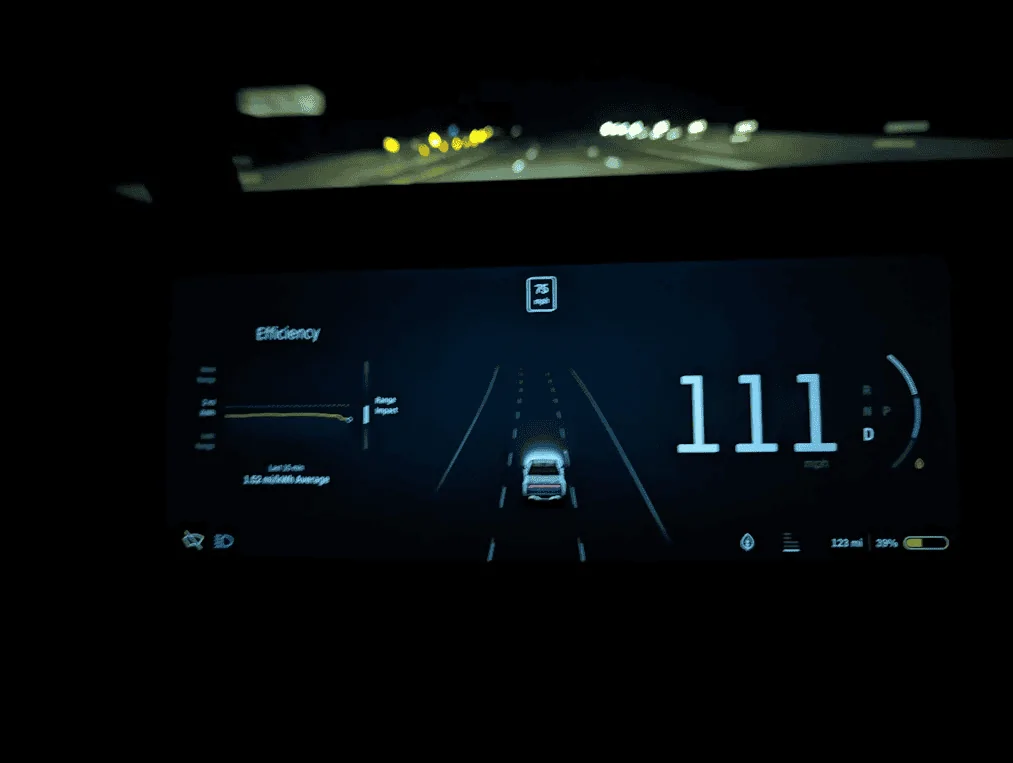

Its actually what I do..Go 2 mph faster to account for the difference.
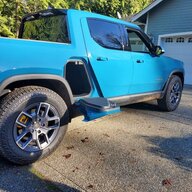
Absolutely normal and expected on all vehiclesI realized that the speedometer on my newly purchased R1S dual motor with 21" tires is not accurate. It is under by roughly 2mph when driving around 40mph and is probably slightly more at 65mph. Is there a way to adjust the speedometer to be more accurate? My Toyota Prius was doing the same but my model 3 is pretty much spot on. Is this true of all Rivians, or does mine need adjustment? Thanks!
I love that you are using conserve while going 88mph

On virtually every car I’ve owned, I’ve seen small speedometer errors, particularly when diff sized tires are offered. This shouldn’t be the case with Rivian, given that calibrations are made, based on tire size. I wouldn’t lose one second of sleep over a couple of miles an hour error at 60 or 70. One would have to use a GPS to know that error. The “first world problem“ indeed! HahaNo. This is 100% intentional and for regulatory purposes.
YepAbsolutely normal and expected on all vehicles
Not sure I’d post thatYou'll love this one then. very economical. Also the only way to get real cruise control without a trailer attached

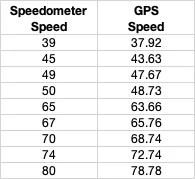
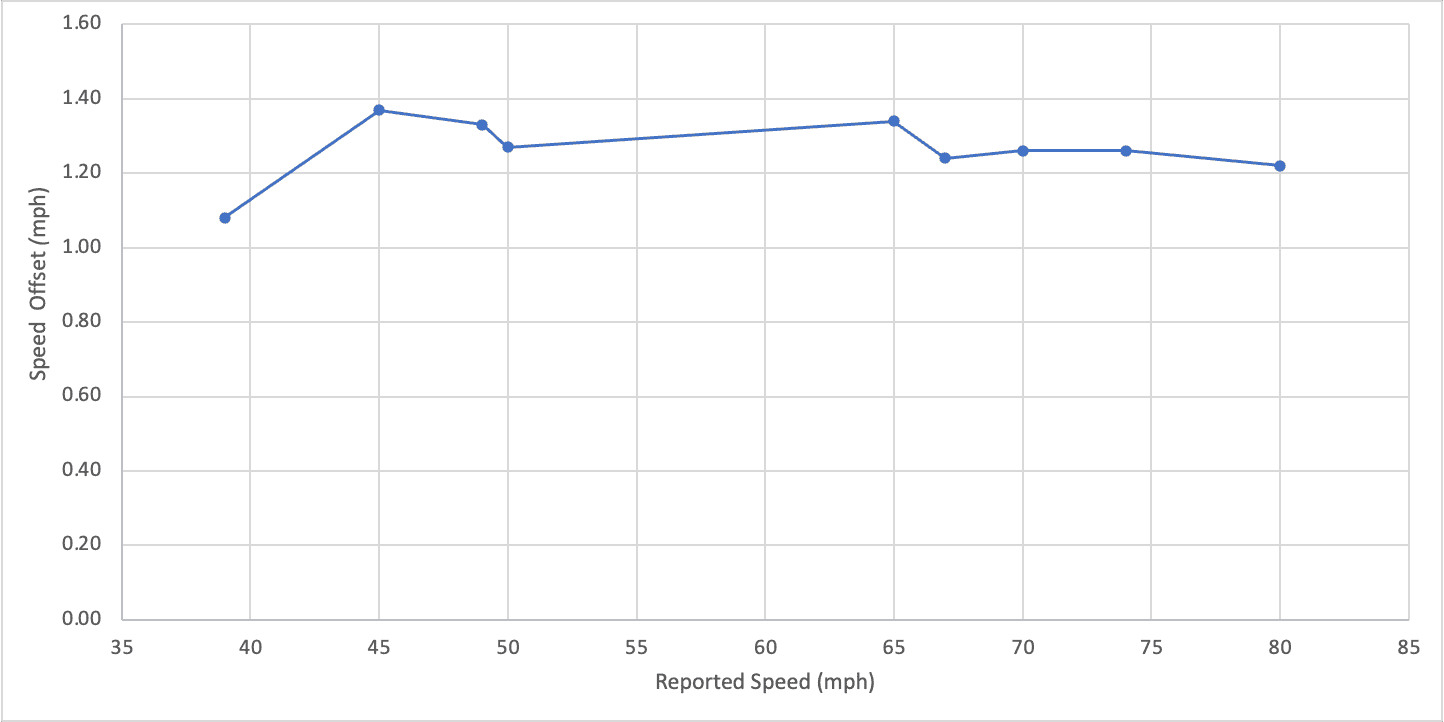
A mobile technician when asked that said all US cars are set to be 2 mph slower than the speedometer. Reason was a federal regulation he said. That's all I know.I realized that the speedometer on my newly purchased R1S dual motor with 21" tires is not accurate. It is under by roughly 2mph when driving around 40mph and is probably slightly more at 65mph. Is there a way to adjust the speedometer to be more accurate? My Toyota Prius was doing the same but my model 3 is pretty much spot on. Is this true of all Rivians, or does mine need adjustment? Thanks!
Not quite. Federal regulation allow 10% variance. It's an allowance. Not an order to set instrument to read 2 mph faster than actual. https://jtbrownlaw.com/speedometer-...everal factors that,a speed that is incorrect.A mobile technician when asked that said all US cars are set to be 2 mph slower than the speedometer. Reason was a federal regulation he said. That's all I know.
That particular code in the 49 CFR is actually the FMCSR (Federal Motor Carrier Safety Regulations) and is only applicable to commercial traffic.Not quite. Federal regulation allow 10% variance. It's an allowance. Not an order to set instrument to read 2 mph faster than actual. https://jtbrownlaw.com/speedometer-...everal factors that,a speed that is incorrect.
Correct...mobile service said the same thing. Not sure why the Feds would do that.No. This is 100% intentional and for regulatory purposes.
Margin of error for safety. The rules don't say manufacturers have to be 2 mph slower. Actual rule says speedometers need to be +/- 2 mph. And it's result of antiquated law, written when speedometers had physical needles. Your reading of it could be off by that much pending your vantage point.Correct...mobile service said the same thing. Not sure why the Feds would do that.
To be fair, they don't say it has to be inaccurate, as @UnsungZero_OldTimeAdMan said.Correct...mobile service said the same thing. Not sure why the Feds would do that.
And this 'law' (the FMVSS, specifically the FMCSR) only has provisions for tractor-trailers and trains. Laws covering non-commercial vehicles aren't federal. If they exist, they would be state.Margin of error for safety. The rules don't say manufacturers have to be 2 mph slower. Actual rule says speedometers need to be +/- 2 mph. And it's result of antiquated law, written when speedometers had physical needles. Your reading of it could be off by that much pending your vantage point.


