MidnightM00N
Well-Known Member
- Joined
- Aug 7, 2024
- Threads
- 1
- Messages
- 115
- Reaction score
- 93
- Location
- Cincinnati
- Vehicles
- 2025 R1S DM Max, 2015 Tesla S90D, 2000 Lexus LX470
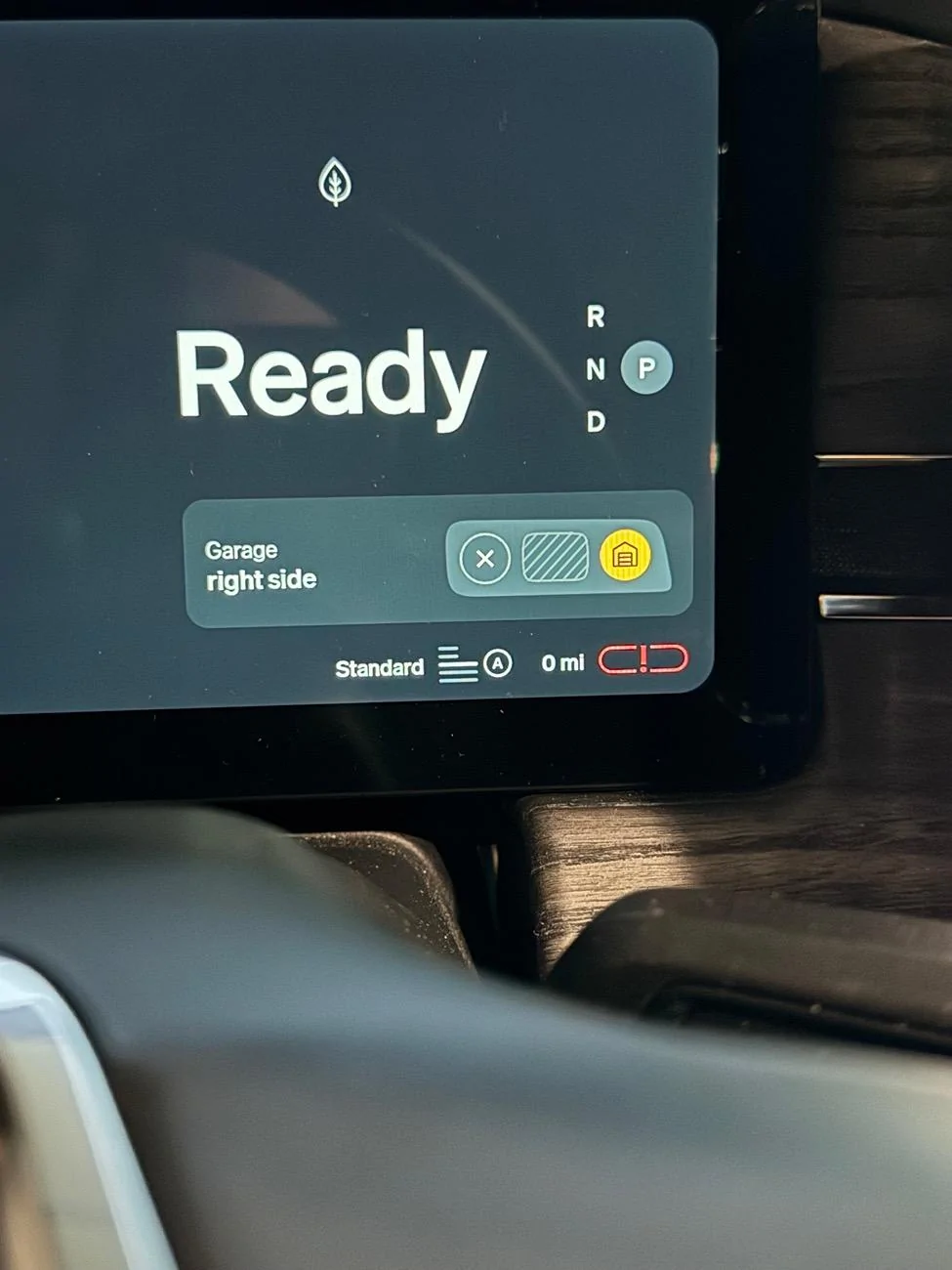
Have an old Model S and this is definitely the case. There’s a buffer built in, but it’s hidden from the user specifically to protect against running out early in case the BMS is slightly optimistic. Most times you can drive to 0 or beyond (I’ve gone past 0 by 11 miles before), and the buffer helps hitting 0 more often than not (I.e. it’s usually a bit pessimistic/conservative).I had a few Teslas and they all continued to drive past 0. A few miles after zero they start to be power limited though and have trouble keeping up with highway speeds. One time, in our Model 3, it would only go about 30mph at the very end before we made it home.
The real scary part with doing this is that if your BMS (battery management system) is out of calibration, it could be wrong and you have less than it shows. This could be why your sister's Model X died at 5 miles -- that's certainly not typical.
But it also can be optimistic/wrong as I’ve lost power at 7 mi (3%) remaining before too. Capacity (amp hours) is calculated, not directly measured, by the BMS based on a bunch of variables. Things like (according to Tesla support) very cold weather or a series of DC charges on a long road trip in succession without time to sit and recalibrate can throw the BMS and therefore the mileage gauge, which is a fixed estimation based on the capacity calculation, off.
Probably similar for Rivian since they use a fixed ratio to display miles in the instrument cluster instead of a variable guess-o-meter like the older Leafs, i3s, etc used, which was a range estimate based on recent driving habits.
Tesla generally uses a 4kwh buffer. Rivian’s is unknown to this point I think.
Sponsored