Sponsored

White Shadow

Well-Known Member
First Name
Thomas
Joined
Nov 11, 2021
Threads
13
Messages
1,406
Reaction score
1,159
Location
NJ
Vehicles
Jeep & Audi
Occupation
SP
Center front (like a Leaf) or center rear would solve all of these problems. How is this not completely obvious? Debating over driver's side/passenger side doesn't make any sense when they can locate a charge port in the center of a vehicle.
Sponsored
 

RivianRunner

Banned
Well-Known Member
First Name
Marcus
Joined
Sep 14, 2021
Threads
0
Messages
732
Reaction score
629
Location
Bellingham, WA
Vehicles
Cybertruck DM, F-150, Suzuki DR650
Occupation
Tester
Imagine if oil companies try to dictate car design to carmakers.
That's a strawman argument. First, Tesla is not dictating anything. They are simply recommending the most sensible course of action going forward and others are free to make their own decisions, just as Tesla does.

Secondly, it would be dumb to copy the way it unfolded with gasoline, because gas hoses and DCFC cables are two different animals. Thieves are not interested in stealing a fiber reinforced rubber hose that is contaminated with gasoline, it's worthless. Copper is valuable. And the resistance in a gas hose is inconsequential, a longer hose might require $.00001 more electricity to pump the fuel into your tank each time. A DCFC that is even 1% less efficient due to the extra electrical resistance of the longer length would cost around $0.20 more each fill-up, using $0.20/kWh electricity cost and 100 kWh fill. The actual resistance losses are likely greater than 1%, depending upon the additional length of the cable. It's no accident that the Supercharger Network was designed with extremely short charge cables!

EV makers will swim or drown based on the sum total of the decisions they make. To survive to be a going concern requires correct decision making. The choice is up to each manufacturer. Let's hope RJ's ego doesn't cause him to stick to his obviously sub-optimal decision, it will just accelerate the path to failure. My guess is this one is so obvious he will quietly come around before any new vehicles are released. Better late than never.
 

RivianRunner

Banned
Well-Known Member
First Name
Marcus
Joined
Sep 14, 2021
Threads
0
Messages
732
Reaction score
629
Location
Bellingham, WA
Vehicles
Cybertruck DM, F-150, Suzuki DR650
Occupation
Tester
Center front (like a Leaf) or center rear would solve all of these problems. How is this not completely obvious? Debating over driver's side/passenger side doesn't make any sense when they can locate a charge port in the center of a vehicle.
The most common collision is a rear end. Putting the charge port on either the front or the back of the vehicle would increase repair costs in even minor collisions and cause higher insurance rates and longer repair times. The driver's side rear location can survive the most common type of rear-end collisions, regardless of which car is at fault.

It's not like Tesla didn't consider the comprehensive costs and overall convenience of every option before selecting a location for all their vehicles and charging stations.
 

emoore

Well-Known Member
Joined
Nov 29, 2020
Threads
4
Messages
3,815
Reaction score
4,240
Location
Colorado
Vehicles
2022 R1T
That's a strawman argument. First, Tesla is not dictating anything. They are simply recommending the most sensible course of action going forward and others are free to make their own decisions, just as Tesla does.

Secondly, it would be dumb to copy the way it unfolded with gasoline, because gas hoses and DCFC cables are two different animals. Thieves are not interested in stealing a fiber reinforced rubber hose that is contaminated with gasoline, it's worthless. Copper is valuable. And the resistance in a gas hose is inconsequential, a longer hose might require $.00001 more electricity to pump the fuel into your tank each time. A DCFC that is even 1% less efficient due to the extra electrical resistance of the longer length would cost around $0.20 more each fill-up, using $0.20/kWh electricity cost and 100 kWh fill. The actual resistance losses are likely greater than 1%, depending upon the additional length of the cable. It's no accident that the Supercharger Network was designed with extremely short charge cables!

EV makers will swim or drown based on the sum total of the decisions they make. To survive to be a going concern requires correct decision making. The choice is up to each manufacturer. Let's hope RJ's ego doesn't cause him to stick to his obviously sub-optimal decision, it will just accelerate the path to failure. My guess is this one is so obvious he will quietly come around before any new vehicles are released. Better late than never.
EA, EVGo, Chargepoint, Shell, Circle K, etc all have longer cables than Tesla. It's possible to do, stop making excuses for Tesla.
 

iamnid

Well-Known Member
Joined
Aug 10, 2023
Threads
7
Messages
614
Reaction score
758
Location
California
Vehicles
Mercedes EQE, Rivian R1S
EA, EVGo, Chargepoint, Shell, Circle K, etc all have longer cables than Tesla. It's possible to do, stop making excuses for Tesla.
Nobody is making excuses. The stations are already there. Do you want to be able to use them and/or have the maximum available to your Rivian to be used? Then consider putting it on the rear driver's side.

Sure, those others have longer cords and they are regularly left lying on the ground, driven over and rendered inoperable.

What's the strong resistance? The R2 hasn't been built yet. Is it simply a matter of "I don't want to put it there because Tesla does that and I don't like Tesla?"

Sure, passenger side makes sense for curbside charging but most of that is AC charging and it's easy and cheap to get a longer cord for that if you fall in the small percentage of people who do that. Anyone road-tripping an EV will likely need to use a DC fast charger. Unless the port location is in a position that's compatible with V3 chargers, Rivian drivers will either not be able to use an open stall unless an adjacent stall is also open or they'll use up 2 stalls. OR, they'll have to use an extension cord (which is, incidentally, the topic of this thread) with all of the cost/weight and potential degraded speed that an extension cord will entail.

If you dislike Tesla just avoid using superchargers but don't advocate for something that will make it less convenient for those that don't share your opinion.
 

Sponsored

emoore

Well-Known Member
Joined
Nov 29, 2020
Threads
4
Messages
3,815
Reaction score
4,240
Location
Colorado
Vehicles
2022 R1T
Nobody is making excuses. The stations are already there. Do you want to be able to use them and/or have the maximum available to your Rivian to be used? Then consider putting it on the rear driver's side.

Sure, those others have longer cords and they are regularly left lying on the ground, driven over and rendered inoperable.

What's the strong resistance? The R2 hasn't been built yet. Is it simply a matter of "I don't want to put it there because Tesla does that and I don't like Tesla?"

Sure, passenger side makes sense for curbside charging but most of that is AC charging and it's easy and cheap to get a longer cord for that if you fall in the small percentage of people who do that. Anyone road-tripping an EV will likely need to use a DC fast charger. Unless the port location is in a position that's compatible with V3 chargers, Rivian drivers will either not be able to use an open stall unless an adjacent stall is also open or they'll use up 2 stalls. OR, they'll have to use an extension cord (which is, incidentally, the topic of this thread) with all of the cost/weight and potential degraded speed that an extension cord will entail.

If you dislike Tesla just avoid using superchargers but don't advocate for something that will make it less convenient for those that don't share your opinion.
My only point is that car makers should have the freedom to put their chargers wherever they want and not be beholden to one company. Just like gas stations, doesn't matter where the fuel door is, the hoses will reach. EA figured this out, EVGo figured this out, etc. Tesla isn't acting like a business that wants to invite more customers, they are acting like they are doing the world a favor by opening up. And I don't think that's a good business plan.
 

Dark-Fx

Well-Known Member
First Name
Brian
Joined
Jul 15, 2020
Threads
147
Messages
13,520
Reaction score
27,286
Location
Michigan
Vehicles
R1T, R1S, Livewire One, Sierra EV, R1S
Occupation
Engineering
Clubs
 
My only point is that car makers should have the freedom to put their chargers wherever they want and not be beholden to one company. Just like gas stations, doesn't matter where the fuel door is, the hoses will reach. EA figured this out, EVGo figured this out, etc. Tesla isn't acting like a business that wants to invite more customers, they are acting like they are doing the world a favor by opening up. And I don't think that's a good business plan.
Newer 350kW CCS stations seem to be putting in these 6 meter long cables that are on cable retractors. You could park the wrong direction and still charge a lot of EVs. No real excuse for Tesla at this point besides just penny pinching.
 

emoore

Well-Known Member
Joined
Nov 29, 2020
Threads
4
Messages
3,815
Reaction score
4,240
Location
Colorado
Vehicles
2022 R1T
Newer 350kW CCS stations seem to be putting in these 6 meter long cables that are on cable retractors. You could park the wrong direction and still charge a lot of EVs. No real excuse for Tesla at this point besides just penny pinching.
Yep I've started to see those too. That's even an easier way for Tesla to support other EVs. Eliminates the cost of the copper with an easy mechanical solution.
 

COdogman

Well-Known Member
First Name
Brian
Joined
Jan 21, 2022
Threads
33
Messages
11,641
Reaction score
34,494
Location
CO
Vehicles
2023 R1T
Occupation
Cyber defender
Clubs
 
Nobody is making excuses. The stations are already there. Do you want to be able to use them and/or have the maximum available to your Rivian to be used? Then consider putting it on the rear driver's side.

Sure, those others have longer cords and they are regularly left lying on the ground, driven over and rendered inoperable.

What's the strong resistance? The R2 hasn't been built yet. Is it simply a matter of "I don't want to put it there because Tesla does that and I don't like Tesla?"

Sure, passenger side makes sense for curbside charging but most of that is AC charging and it's easy and cheap to get a longer cord for that if you fall in the small percentage of people who do that. Anyone road-tripping an EV will likely need to use a DC fast charger. Unless the port location is in a position that's compatible with V3 chargers, Rivian drivers will either not be able to use an open stall unless an adjacent stall is also open or they'll use up 2 stalls. OR, they'll have to use an extension cord (which is, incidentally, the topic of this thread) with all of the cost/weight and potential degraded speed that an extension cord will entail.

If you dislike Tesla just avoid using superchargers but don't advocate for something that will make it less convenient for those that don't share your opinion.
Car manufacturers should not be at the mercy of charger design when deciding where to put their charge port. It should be the other way around - if that charging network wants more vehicles to use their chargers (=more revenue), they should build chargers that all EVs can use. The simplest way to do that is longer cables. Then it won't matter where the port is located on a vehicle.
 

White Shadow

Well-Known Member
First Name
Thomas
Joined
Nov 11, 2021
Threads
13
Messages
1,406
Reaction score
1,159
Location
NJ
Vehicles
Jeep & Audi
Occupation
SP
The most common collision is a rear end. Putting the charge port on either the front or the back of the vehicle would increase repair costs in even minor collisions and cause higher insurance rates and longer repair times. The driver's side rear location can survive the most common type of rear-end collisions, regardless of which car is at fault.

It's not like Tesla didn't consider the comprehensive costs and overall convenience of every option before selecting a location for all their vehicles and charging stations.
I can't imagine replacing a charge port is going to make a big difference on repair costs during a collision. EVs are already expensive to repair after a collision. And I don't see Nissan Leaf owners complaining....they've had their charge port front center for more than a decade.
 

Sponsored

IGR

Well-Known Member
Joined
Jul 7, 2023
Threads
8
Messages
360
Reaction score
506
Location
SoCal
Vehicles
Rivian R1S
Occupation
I make things
Clubs
 
EA, EVGo, Chargepoint, Shell, Circle K, etc all have longer cables than Tesla. It's possible to do, stop making excuses for Tesla.
I would like to add that in all those cases: EA, EVgo, etc, you are paying for transmission losses in cables. For example, I'll keep it simple, you purchase 100kwh at EVgo, long cable would have larger resistance, plus coupling losses and cabling in your EV before it gets to the battery. In the end, lets say 95kwh finally gets to your battery, but you still pay for station's metered 100kwh.
In case of Tesla, and correct me if I'm wrong, you probably pay only for what battery got charged to .
But besides that, EA, EVgo, and others wont mind putting longer cables because consumer is the one paying for inefficiencies.

Even if losses are 1%,, it quickly adds up with all the EV's on the road.
 

emoore

Well-Known Member
Joined
Nov 29, 2020
Threads
4
Messages
3,815
Reaction score
4,240
Location
Colorado
Vehicles
2022 R1T
I would like to add that in all those cases: EA, EVgo, etc, you are paying for transmission losses in cables. For example, I'll keep it simple, you purchase 100kwh at EVgo, long cable would have larger resistance, plus coupling losses and cabling in your EV before it gets to the battery. In the end, lets say 95kwh finally gets to your battery, but you still pay for station's metered 100kwh.
In case of Tesla, and correct me if I'm wrong, you probably pay only for what battery got charged to .
But besides that, EA, EVgo, and others wont mind putting longer cables because consumer is the one paying for inefficiencies.

Even if losses are 1%,, it quickly adds up with all the EV's on the road.
you get charged what the price on the screen is. If EA is charging $.36 per kWh and I put 100 kWh into my batter I get charged $36. Nothing more.
 

SANZC02

Well-Known Member
First Name
Bob
Joined
Feb 11, 2021
Threads
50
Messages
7,398
Reaction score
12,680
Location
California
Vehicles
Tesla Model S, LE - R1S
Occupation
Retired
I would like to add that in all those cases: EA, EVgo, etc, you are paying for transmission losses in cables. For example, I'll keep it simple, you purchase 100kwh at EVgo, long cable would have larger resistance, plus coupling losses and cabling in your EV before it gets to the battery. In the end, lets say 95kwh finally gets to your battery, but you still pay for station's metered 100kwh.
In case of Tesla, and correct me if I'm wrong, you probably pay only for what battery got charged to .
But besides that, EA, EVgo, and others wont mind putting longer cables because consumer is the one paying for inefficiencies.

Even if losses are 1%,, it quickly adds up with all the EV's on the road.
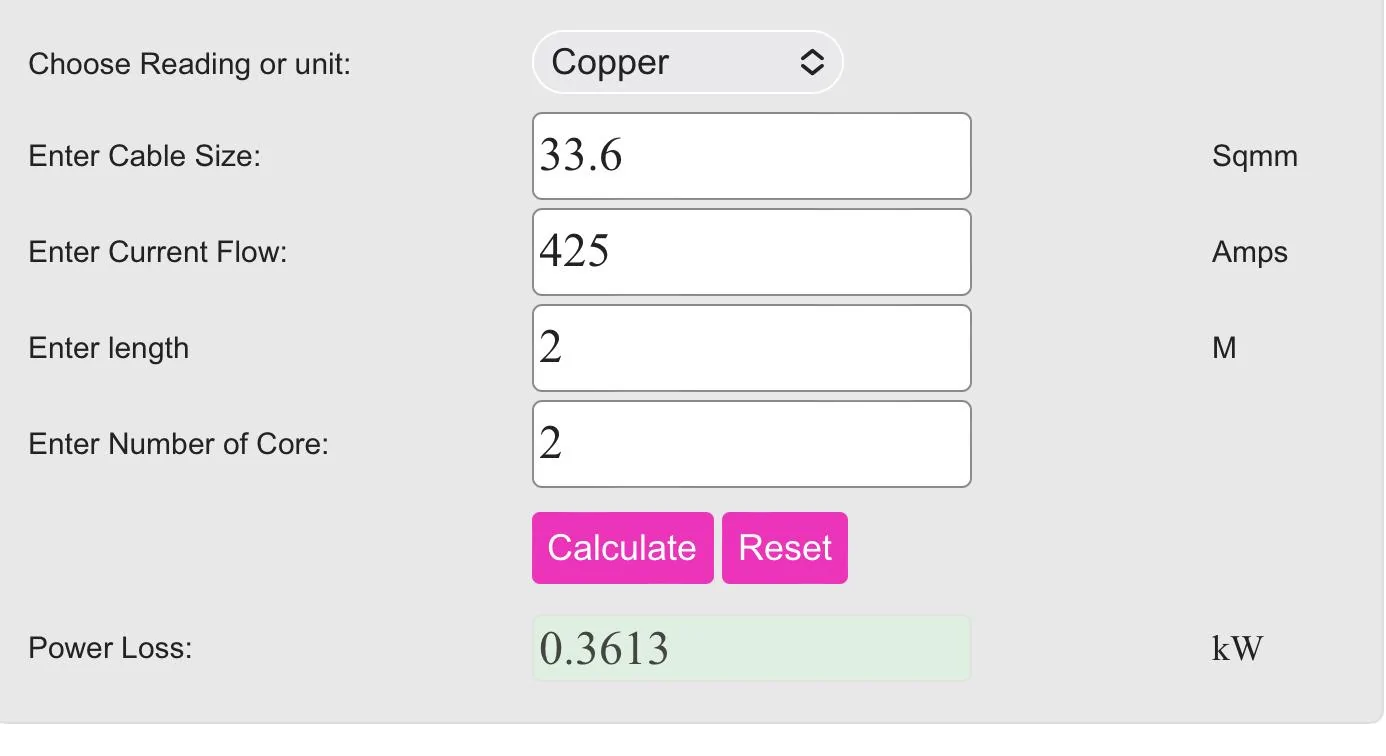
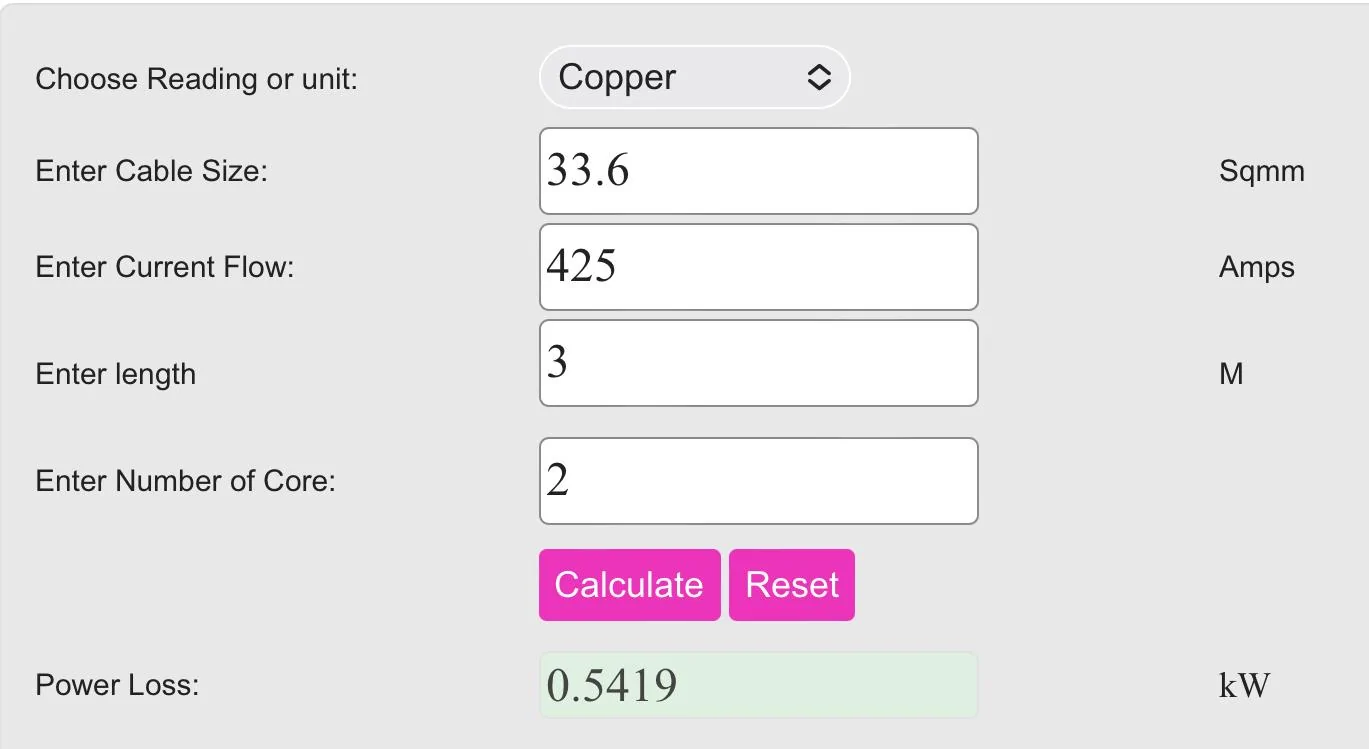
You are overstating the loss. The difference between the 2 meter V3 cable over the 3 meter V4 cable at 425 amps is about .2 kW so at 36 cents a kWh it is about 7.2 cents on a 1 hour charge and 2.4 cents on a 20 minute charge. That is assuming copper wire, if by chance it is aluminum cable it is 60% more loss but still less than 12 cents an hour so if you charge for 10 hours on a trip it is less than $1.20 for that extra meter of cable.

Rivian R1T R1S NACS extension cable is coming! Helps solve R2/R3 Supercharger issue ? IMG_3629
Rivian R1T R1S NACS extension cable is coming! Helps solve R2/R3 Supercharger issue ? IMG_3630
 
  • Like
Reactions: IGR

Gen(R3)Xer

Well-Known Member
Joined
Mar 10, 2024
Threads
37
Messages
1,227
Reaction score
1,163
Location
Ohio
Vehicles
Leasing Model 3 until R3X comes out, but now I have an R2 reservation as well.
They are already making longer cords for their V4 stations, so they could easily swap those in for the current V3 station cords.
It’s not that easy or they would be doing it already. Part of the problem is that the V4 cable isn’t just longer, it’s also stiffer, and harder to manipulate (insert sexual innuendo here).

Also the V3 charging stations are shorter than the V4s, so the cable would drag on the ground, fall out of the holster, etc. In fact, even with the taller V4 charging stations the cables are still falling out due to the cable’s stiffness. Tesla is actively trying to remedy this.
 

emoore

Well-Known Member
Joined
Nov 29, 2020
Threads
4
Messages
3,815
Reaction score
4,240
Location
Colorado
Vehicles
2022 R1T
It’s not that easy or they would be doing it already. Part of the problem is that the V4 cable isn’t just longer, it’s also stiffer, and harder to manipulate (insert sexual innuendo here).

Also the V3 charging stations are shorter than the V4s, so the cable would drag on the ground, fall out of the holster, etc. In fact, even with the taller V4 charging stations the cables are still falling out due to the cable’s stiffness. Tesla is actively trying to remedy this.
And yet the supposedly crappy charging companies have solved this years ago. Never had an issue with cable length at any CCS charger.
Sponsored


Top