
Zac
Well-Known Member
- Joined
- Jul 2, 2021
- Threads
- 4
- Messages
- 181
- Reaction score
- 254
- Location
- San Diego, CA
- Vehicles
- Rivian R1T, Acura MDX
Former sales executive at electric-truck startup, which is seeking a valuation of more than $60 billion, says her concerns were ignored and she faced gender discrimination
A former sales and marketing vice president at Rivian Automotive Inc. has sued the electric-vehicle startup, alleging that she was fired last month after telling a human-resources executive that she had been subjected to gender discrimination.
The complaint, filed Thursday ahead of Rivian’s hotly anticipated initial public offering, details concerns she allegedly raised internally, including that the company underpriced its vehicles, had manufacturing-quality issues and set unrealistic delivery targets.
Laura Schwab, who joined Rivian in November 2020 and left the company in October, filed the lawsuit in California Superior Court in Orange County. She also filed a statement of claims Thursday with the American Arbitration Association.
The lawsuit alleges that Ms. Schwab was fired after describing to a human-resources executive a “toxic ‘bro culture’ ” that excluded her from executive meetings and stopped the company from acting quickly on concerns she raised about Rivian’s business plans.
“The culture at Rivian was actually the worst I’ve experienced in over 20 years in the automotive industry,” Ms. Schwab said in an interview. Before joining Rivian, she had been president for the Americas at British luxury brand Aston Martin Lagonda and was an executive at Jaguar Land Rover before that.
A spokeswoman for Rivian declined to comment, citing a quiet period ahead of the company’s public offering.
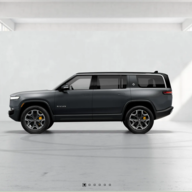
Rivian, which has been backed by companies including Amazon.com Inc. and Ford Motor Co., plans to go public next week and is seeking a fully diluted valuation of just over $60 billion, The Wall Street Journal reported Monday. The company recently began production on its first model, an electric pickup truck called the R1T, and plans to begin making an SUV model later this year.
According to the lawsuit, Ms. Schwab raised concerns about the business with other executives at the Irvine, Calif.-based startup, but her observations were initially dismissed and she was told not to share them with Chief Executive RJ Scaringe.
The lawsuit claims several other executives at first brushed off her statements about Rivian’s vehicles being underpriced, only to agree later that prices would need to be increased post-IPO after a male executive raised the issue.
Ms. Schwab also raised concerns internally about the manufacturing process and Rivian’s ability to assure vehicle quality and safety to customers, the complaint alleges. She said she suggested that the first deliveries go to Rivian employees and alleges other executives initially dismissed the idea, then later adopted it.
The lawsuit further says that Ms. Schwab was skeptical about the company’s ability to achieve certain delivery targets and that she advised it to set a more realistic objective. Rivian said in a securities filing Monday that it plans to deliver just over 1,000 vehicles to customers by the end of the year, while earlier filings didn’t include a year-end production target.
Ms. Schwab declined to provide the Journal further details about her concerns regarding Rivian’s business, citing nondisclosure agreements she signed with the company.
She alleges in the lawsuit that she was cut out of critical strategy meetings involving her team and that other female executives were similarly excluded from sales-projections meetings.
As Rivian started production and as preparations for the IPO picked up in recent months, Ms. Schwab alleges that her responsibilities were transferred to other male executives and that her superior canceled weekly one-on-one meetings with her. Last month, she claims, she pushed to meet with her boss and he told her that she should contact him after work hours to communicate using the messaging platform Slack.
According to the complaint, Ms. Schwab told a human-resources executive the following day that she was being marginalized and felt it stemmed from the company functioning like a “boys’ club.” She claimed that important projects were assigned to men by default and that women were excluded from important meetings.
Ms. Schwab was fired two days later because, the complaint alleges, the company told her that even though she had a positive performance review in June, it was restructuring and eliminating her position.
The lawsuit alleges that no other executives were fired due to restructuring and that her dismissal cost her millions of dollars in unvested equity.
Ms. Schwab is being represented by Rudy, Exelrod, Zieff & Lowe LLP. Last year, the same law firm represented Françoise Brougher, a former chief operating officer at Pinterest Inc., who settled her gender-discrimination and wrongful-termination case against the social-media company for $22.5 million. Pinterest later pledged to take steps to improve its culture, including by creating a team to investigate workplace concerns and increasing transparency around employee pay and promotions.
Allegations of gender bias have been widespread among American companies for years. More than 392,000 workplace-discrimination charges—pertaining to sex, race, age and more—were filed with the U.S. Equal Employment Opportunity Commission from fiscal 2016 to 2020, according to the federal agency.
A former sales and marketing vice president at Rivian Automotive Inc. has sued the electric-vehicle startup, alleging that she was fired last month after telling a human-resources executive that she had been subjected to gender discrimination.
The complaint, filed Thursday ahead of Rivian’s hotly anticipated initial public offering, details concerns she allegedly raised internally, including that the company underpriced its vehicles, had manufacturing-quality issues and set unrealistic delivery targets.
Laura Schwab, who joined Rivian in November 2020 and left the company in October, filed the lawsuit in California Superior Court in Orange County. She also filed a statement of claims Thursday with the American Arbitration Association.
The lawsuit alleges that Ms. Schwab was fired after describing to a human-resources executive a “toxic ‘bro culture’ ” that excluded her from executive meetings and stopped the company from acting quickly on concerns she raised about Rivian’s business plans.
“The culture at Rivian was actually the worst I’ve experienced in over 20 years in the automotive industry,” Ms. Schwab said in an interview. Before joining Rivian, she had been president for the Americas at British luxury brand Aston Martin Lagonda and was an executive at Jaguar Land Rover before that.
A spokeswoman for Rivian declined to comment, citing a quiet period ahead of the company’s public offering.
Rivian, which has been backed by companies including Amazon.com Inc. and Ford Motor Co., plans to go public next week and is seeking a fully diluted valuation of just over $60 billion, The Wall Street Journal reported Monday. The company recently began production on its first model, an electric pickup truck called the R1T, and plans to begin making an SUV model later this year.
According to the lawsuit, Ms. Schwab raised concerns about the business with other executives at the Irvine, Calif.-based startup, but her observations were initially dismissed and she was told not to share them with Chief Executive RJ Scaringe.
The lawsuit claims several other executives at first brushed off her statements about Rivian’s vehicles being underpriced, only to agree later that prices would need to be increased post-IPO after a male executive raised the issue.
Ms. Schwab also raised concerns internally about the manufacturing process and Rivian’s ability to assure vehicle quality and safety to customers, the complaint alleges. She said she suggested that the first deliveries go to Rivian employees and alleges other executives initially dismissed the idea, then later adopted it.
The lawsuit further says that Ms. Schwab was skeptical about the company’s ability to achieve certain delivery targets and that she advised it to set a more realistic objective. Rivian said in a securities filing Monday that it plans to deliver just over 1,000 vehicles to customers by the end of the year, while earlier filings didn’t include a year-end production target.
Ms. Schwab declined to provide the Journal further details about her concerns regarding Rivian’s business, citing nondisclosure agreements she signed with the company.
She alleges in the lawsuit that she was cut out of critical strategy meetings involving her team and that other female executives were similarly excluded from sales-projections meetings.
As Rivian started production and as preparations for the IPO picked up in recent months, Ms. Schwab alleges that her responsibilities were transferred to other male executives and that her superior canceled weekly one-on-one meetings with her. Last month, she claims, she pushed to meet with her boss and he told her that she should contact him after work hours to communicate using the messaging platform Slack.
According to the complaint, Ms. Schwab told a human-resources executive the following day that she was being marginalized and felt it stemmed from the company functioning like a “boys’ club.” She claimed that important projects were assigned to men by default and that women were excluded from important meetings.
Ms. Schwab was fired two days later because, the complaint alleges, the company told her that even though she had a positive performance review in June, it was restructuring and eliminating her position.
The lawsuit alleges that no other executives were fired due to restructuring and that her dismissal cost her millions of dollars in unvested equity.
Ms. Schwab is being represented by Rudy, Exelrod, Zieff & Lowe LLP. Last year, the same law firm represented Françoise Brougher, a former chief operating officer at Pinterest Inc., who settled her gender-discrimination and wrongful-termination case against the social-media company for $22.5 million. Pinterest later pledged to take steps to improve its culture, including by creating a team to investigate workplace concerns and increasing transparency around employee pay and promotions.
Allegations of gender bias have been widespread among American companies for years. More than 392,000 workplace-discrimination charges—pertaining to sex, race, age and more—were filed with the U.S. Equal Employment Opportunity Commission from fiscal 2016 to 2020, according to the federal agency.
Sponsored