JamuJoe
Well-Known Member
- First Name
- Joseph
- Joined
- Nov 19, 2020
- Threads
- 20
- Messages
- 207
- Reaction score
- 496
- Location
- Hesperus, CO
- Vehicles
- RAM 2500, Polestar 2, R1T Max Pack Performance
- Occupation
- Retired Petroleum Engineer
- Thread starter
- #1
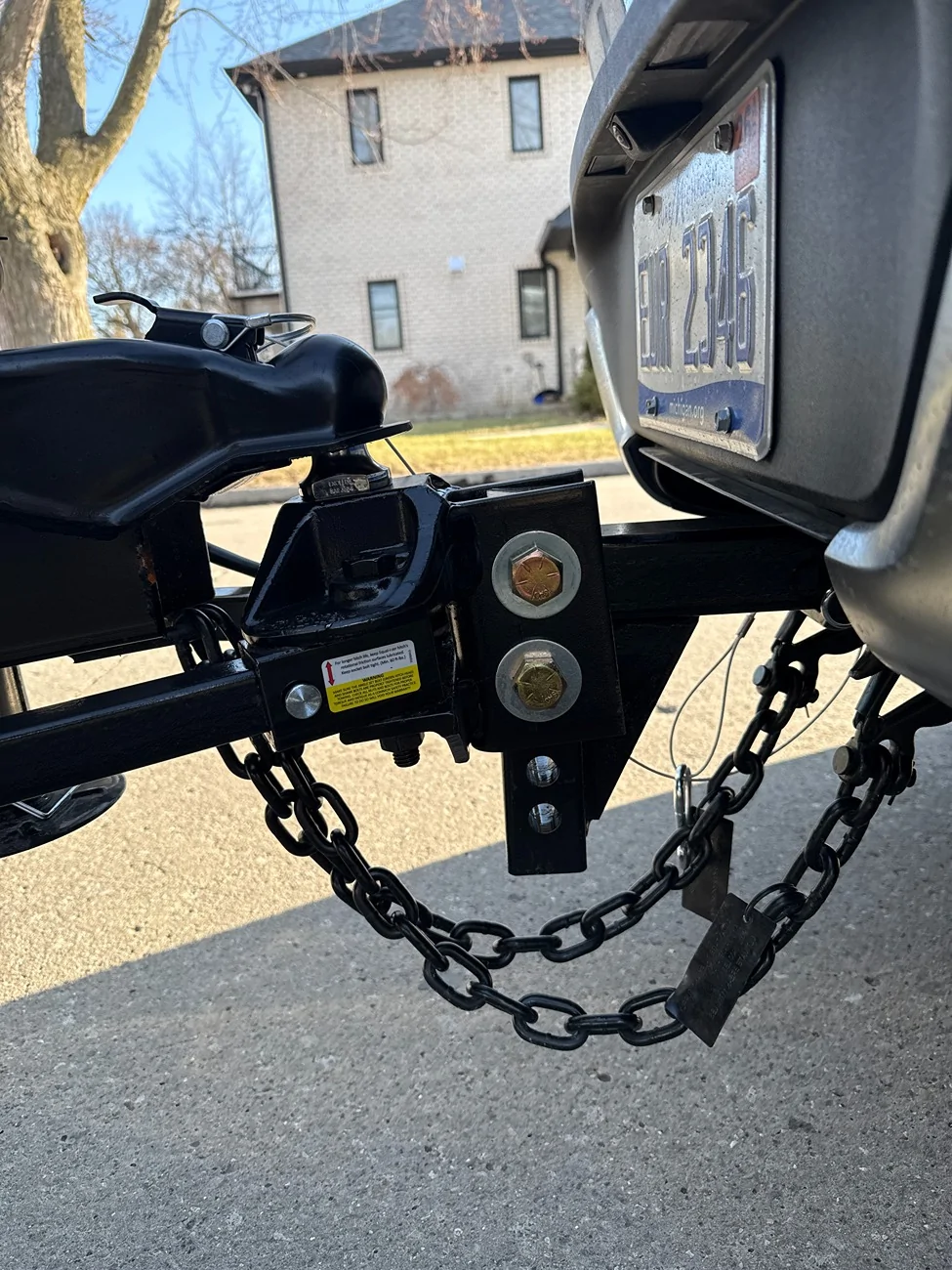
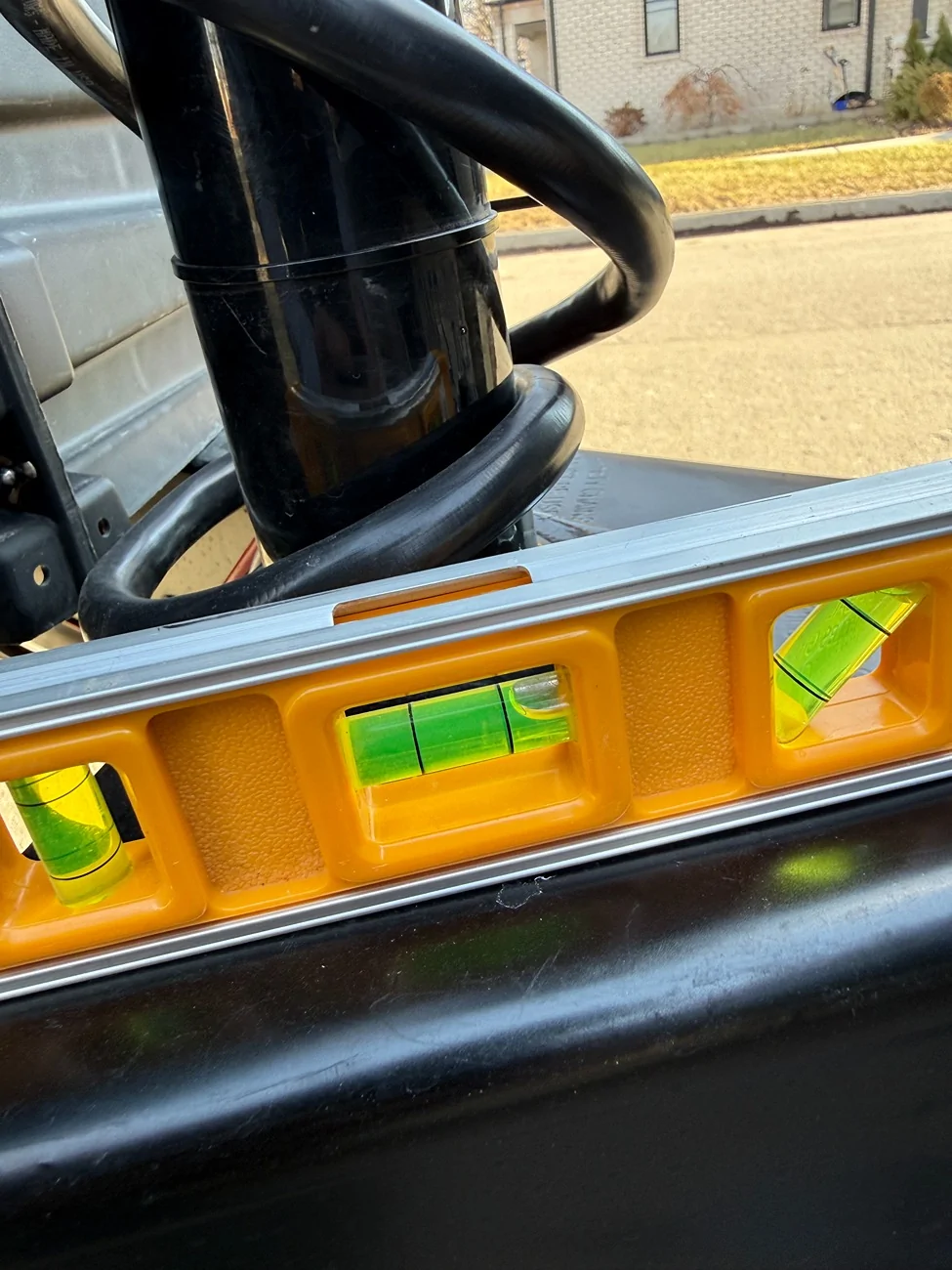
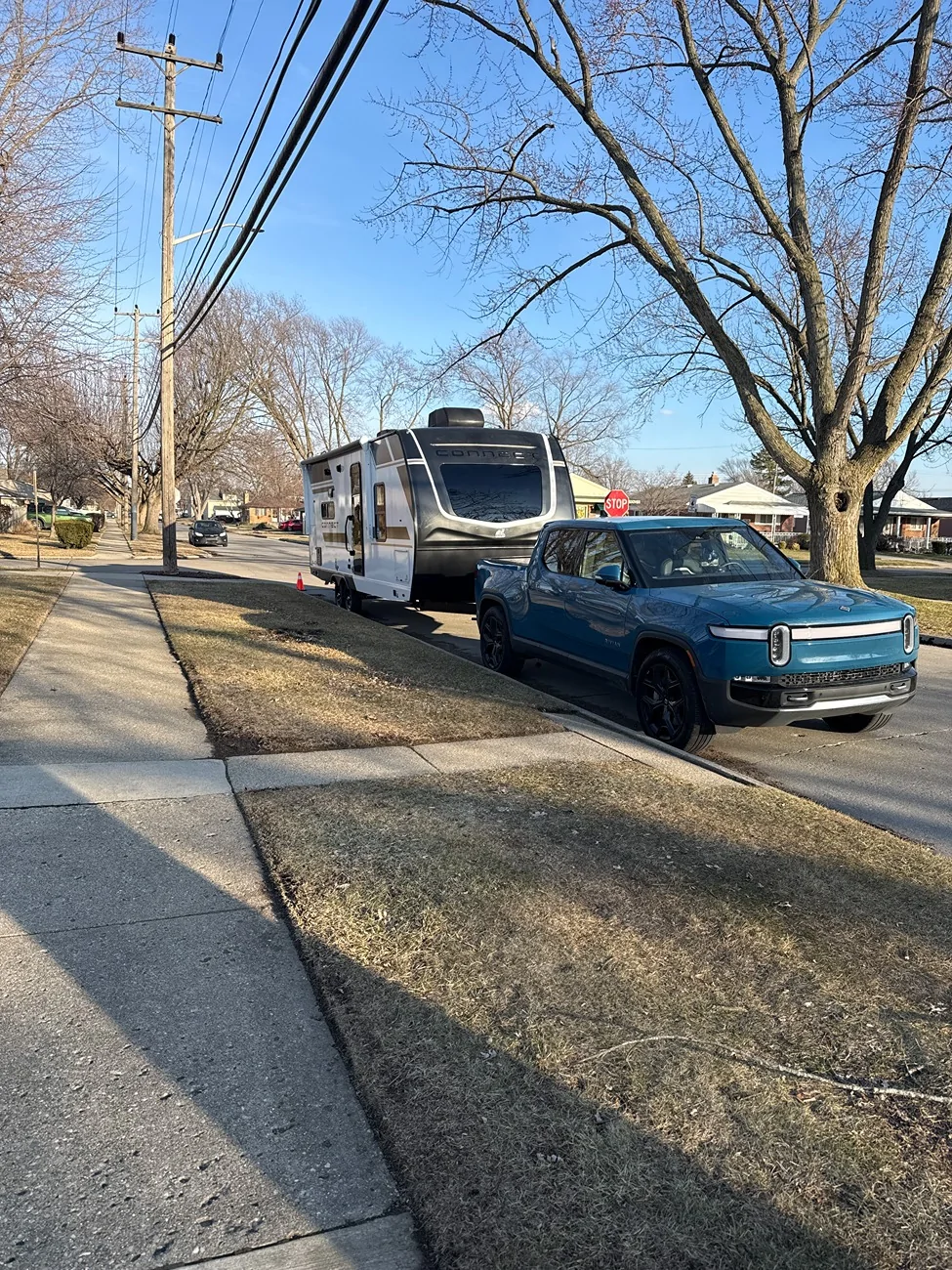
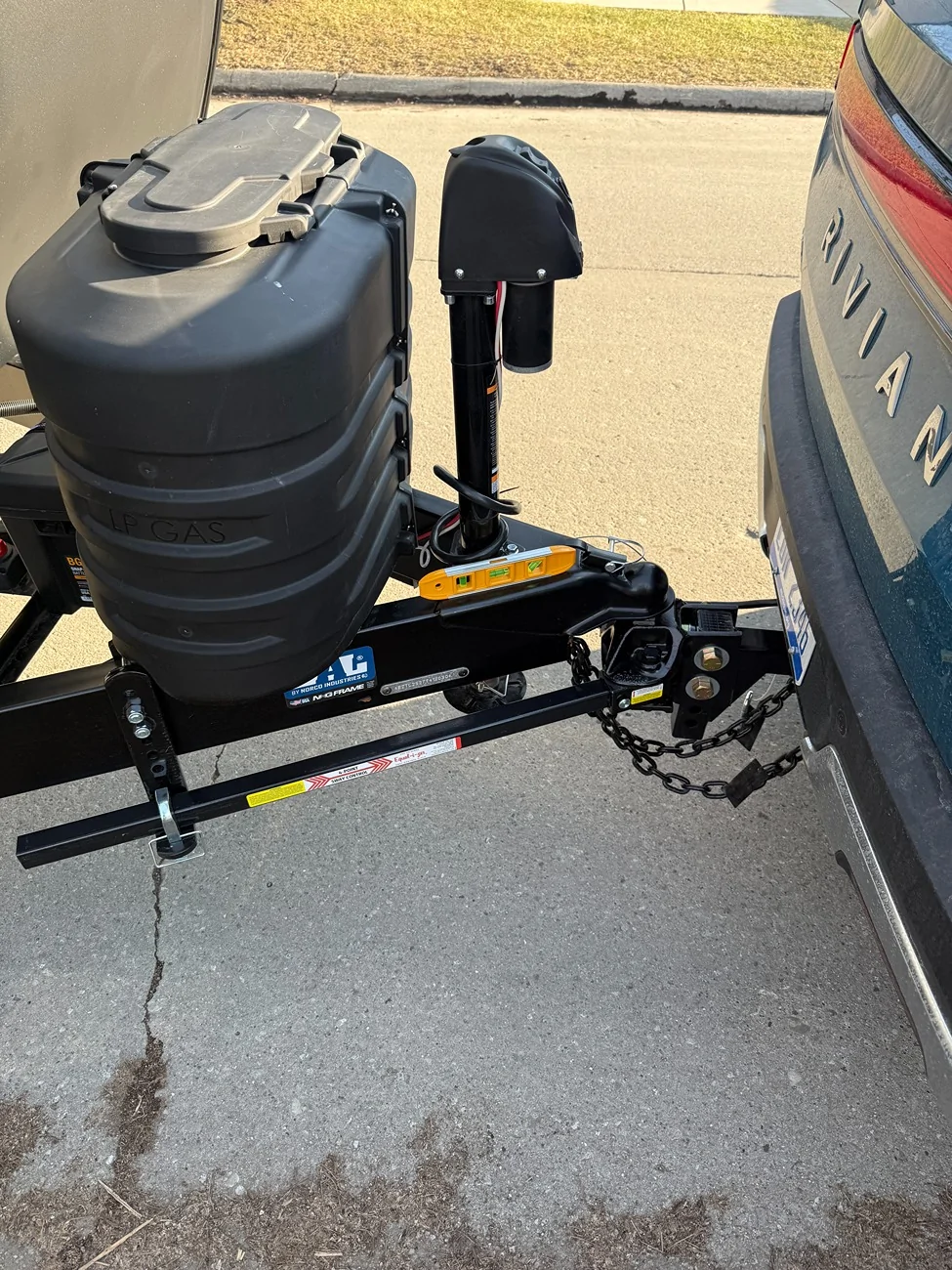
I’ve used an Equalizer weight distribution hitch for a dozen years, through four tow vehicles. When we launched on our recent 3800 mile winter trip with our new R1T towing our 8000 lb Airstream, I simply mounted the Equalizer without alteration from our RAM 2500. It happened to be very well set for the R1T at Normal ride height. Over the course of this trip I realized a big advantage of the adjustable air suspension.
As Equalizer owners know, the load bars should be removed under certain conditions e.g. driving on icy roads, crossing curbs or steep driveway breaks, rough potholed roads etc. Too much force (load transfer) on the bars can damage a trailer frame or vehicle hitch. The R1T makes this so easy to manage. When approaching such conditions, simply raise the ride height to High. This decreases the force on the load bars to a degree sufficient for all but extreme conditions. Alternatively, if on a flat highway with strong cross winds, lowering the R1T to Low ride height will put more force on the load bars and thus increase sway control. I was able to experience both scenarios a number of times on this trip, and am very happy with this easy means of adjusting the load transfer. In fact, I came to routinely raise the R1T when entering campgrounds, eliminating the creaking sounds that Equalizers often exhibit.
As Equalizer owners know, the load bars should be removed under certain conditions e.g. driving on icy roads, crossing curbs or steep driveway breaks, rough potholed roads etc. Too much force (load transfer) on the bars can damage a trailer frame or vehicle hitch. The R1T makes this so easy to manage. When approaching such conditions, simply raise the ride height to High. This decreases the force on the load bars to a degree sufficient for all but extreme conditions. Alternatively, if on a flat highway with strong cross winds, lowering the R1T to Low ride height will put more force on the load bars and thus increase sway control. I was able to experience both scenarios a number of times on this trip, and am very happy with this easy means of adjusting the load transfer. In fact, I came to routinely raise the R1T when entering campgrounds, eliminating the creaking sounds that Equalizers often exhibit.
Sponsored