B Digs
Well-Known Member
- First Name
- Brian
- Joined
- Jun 14, 2024
- Threads
- 0
- Messages
- 365
- Reaction score
- 423
- Location
- Cleveland, OH
- Vehicles
- R1T
- Occupation
- Tire Engineer
Hi all, here is some additional info from a Goodyear expert…
Some publicly managed areas where off-roading is permitted require that tires be partially deflated when driving on Sand. Many actually specify between 15-20 PSI, and maximum speeds from 10-15 MPH.
Running at this reduced inflation itself will not cause tire damage at these speeds.
The lower inflation also allows the tire to ride closer to the surface of the sand and reduce the drag, improving battery life under those conditions.
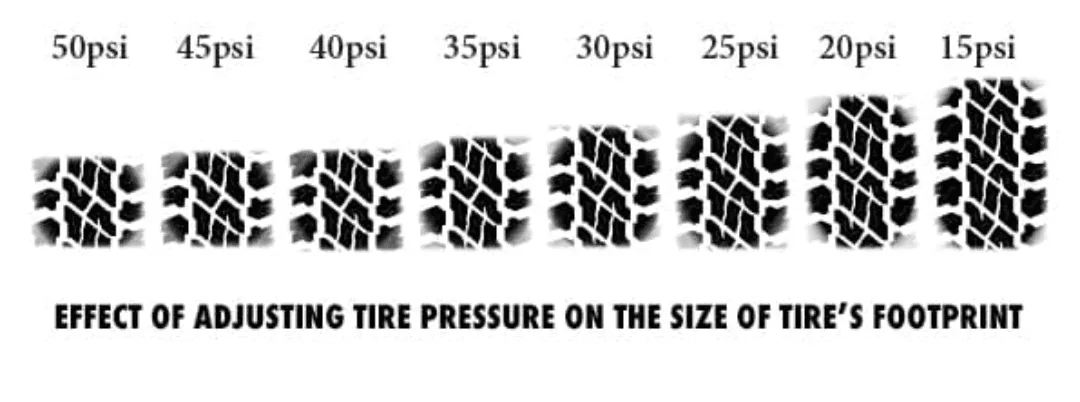
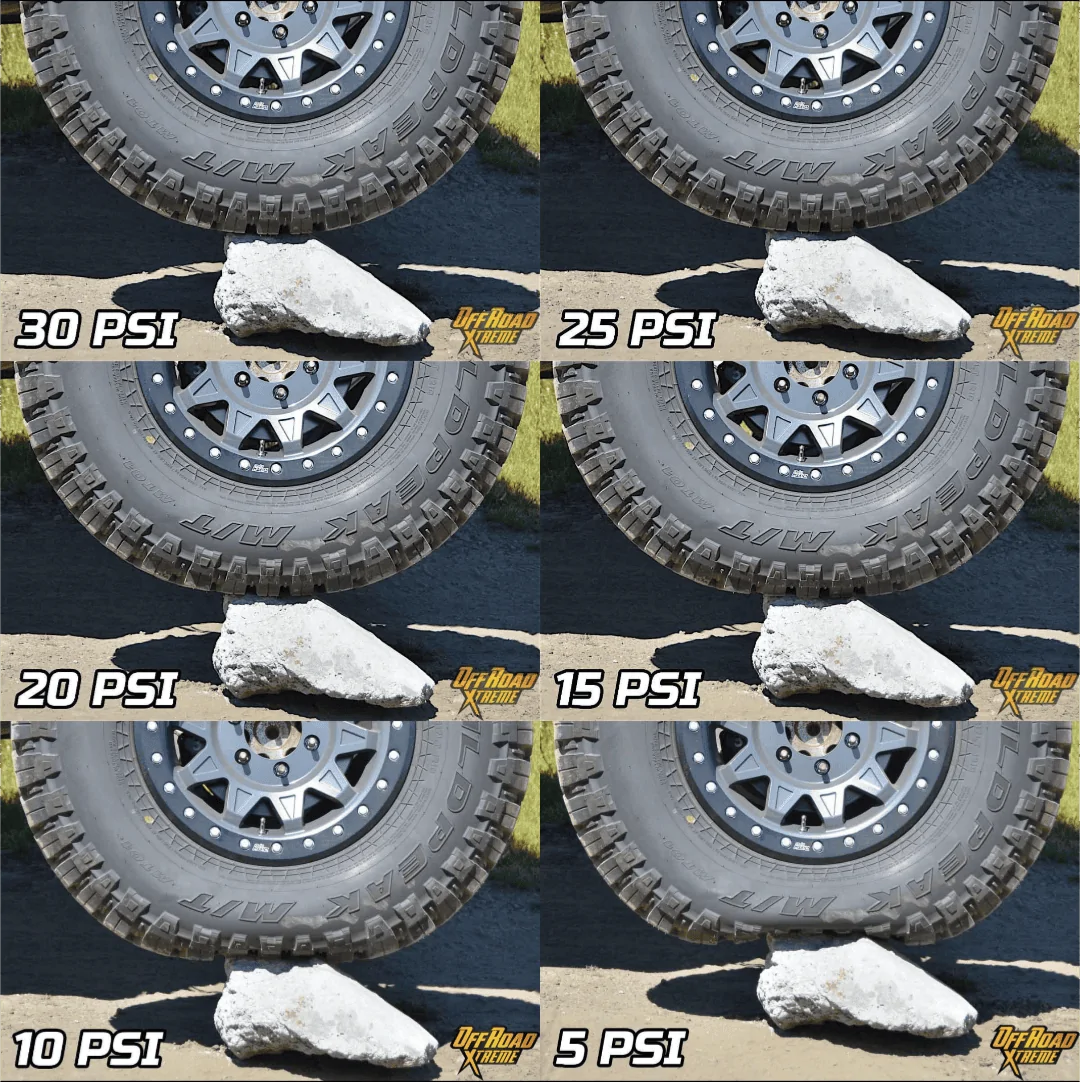
The deflation creates a significantly longer and slightly wider footprint. This both reduces erosion of the dunes, and decreases the depth of the ruts created and the severity of washboard.
If deflation is needed under this low speed off pavement condition, it is very important that the tires be reset to the proper placard inflation pressure before traveling on paved roads. Fortunately your Rivian should have a compressor on board to meet that need.
Some publicly managed areas where off-roading is permitted require that tires be partially deflated when driving on Sand. Many actually specify between 15-20 PSI, and maximum speeds from 10-15 MPH.
Running at this reduced inflation itself will not cause tire damage at these speeds.
The lower inflation also allows the tire to ride closer to the surface of the sand and reduce the drag, improving battery life under those conditions.
The deflation creates a significantly longer and slightly wider footprint. This both reduces erosion of the dunes, and decreases the depth of the ruts created and the severity of washboard.
If deflation is needed under this low speed off pavement condition, it is very important that the tires be reset to the proper placard inflation pressure before traveling on paved roads. Fortunately your Rivian should have a compressor on board to meet that need.
Sponsored