SANZC02
Well-Known Member
- First Name
- Bob
- Joined
- Feb 11, 2021
- Threads
- 50
- Messages
- 7,439
- Reaction score
- 12,739
- Location
- California
- Vehicles
- Tesla Model S, LE - R1S
- Occupation
- Retired
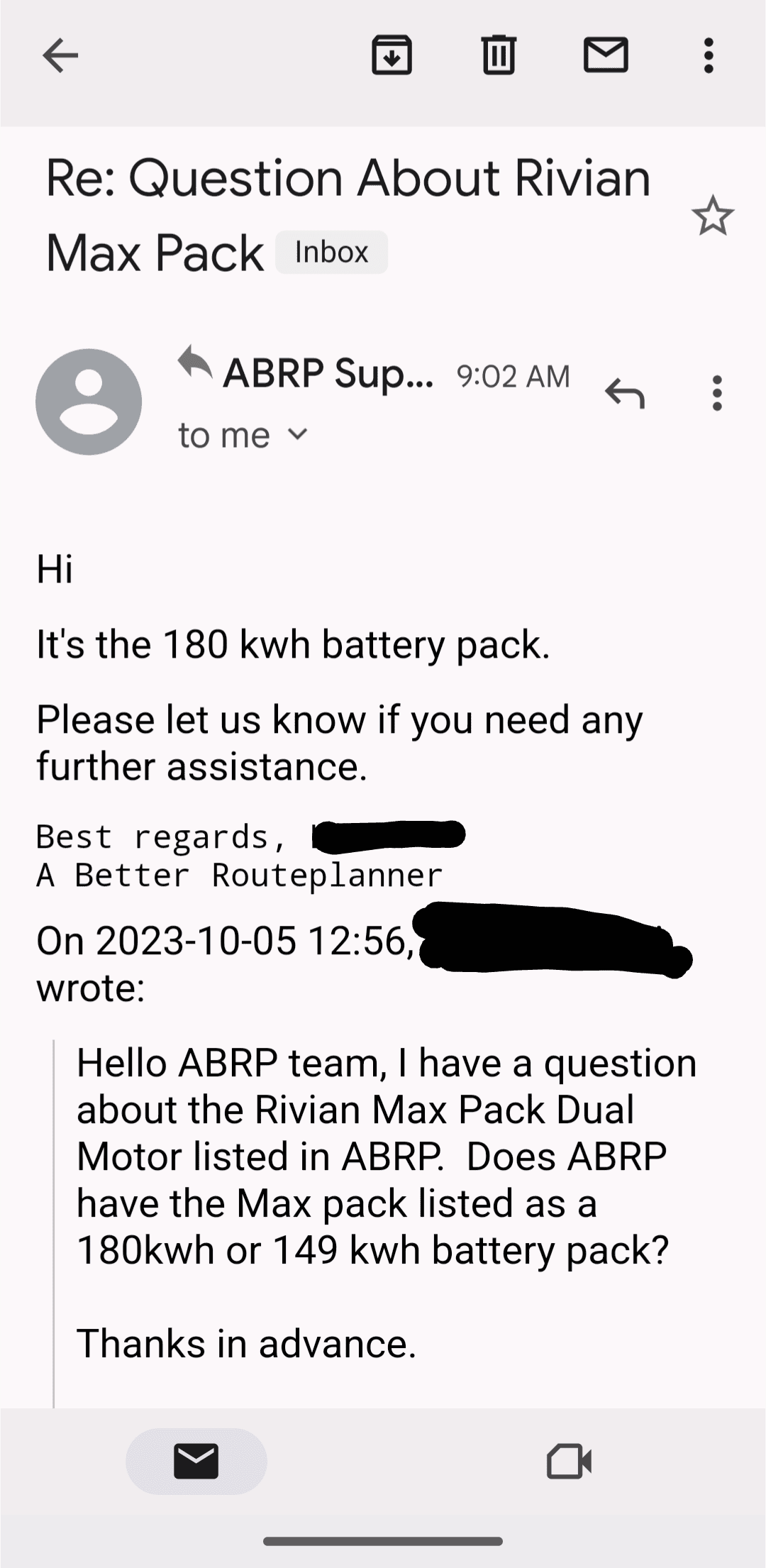
My last response here as we both clearly have different perspectives.I see what your saying now... but hear me out. Lets forget about the EPA range and just focus on the energy. The EPA number usually are lower real world. Based on the usable capacity the max has a 9.2% advantage over large. While you would in theory stay in the higher charging rates longer you also have to put more energy into the pack which takes longer. I think see would have to see on this.
Also, on the degradation two percent is average... it can vary a bit though. EPA range is not a way i like to quantify degradation. Degradation is measured by the amount of energy that can be stored/extracted from the pack. Specifically its measured by usable capacity when new vs usable capacity at time of measurement/testing. So if i say I have 2% degradation on a pack. That has 200 kwh usable that means i have lost 4kwh of capacity.
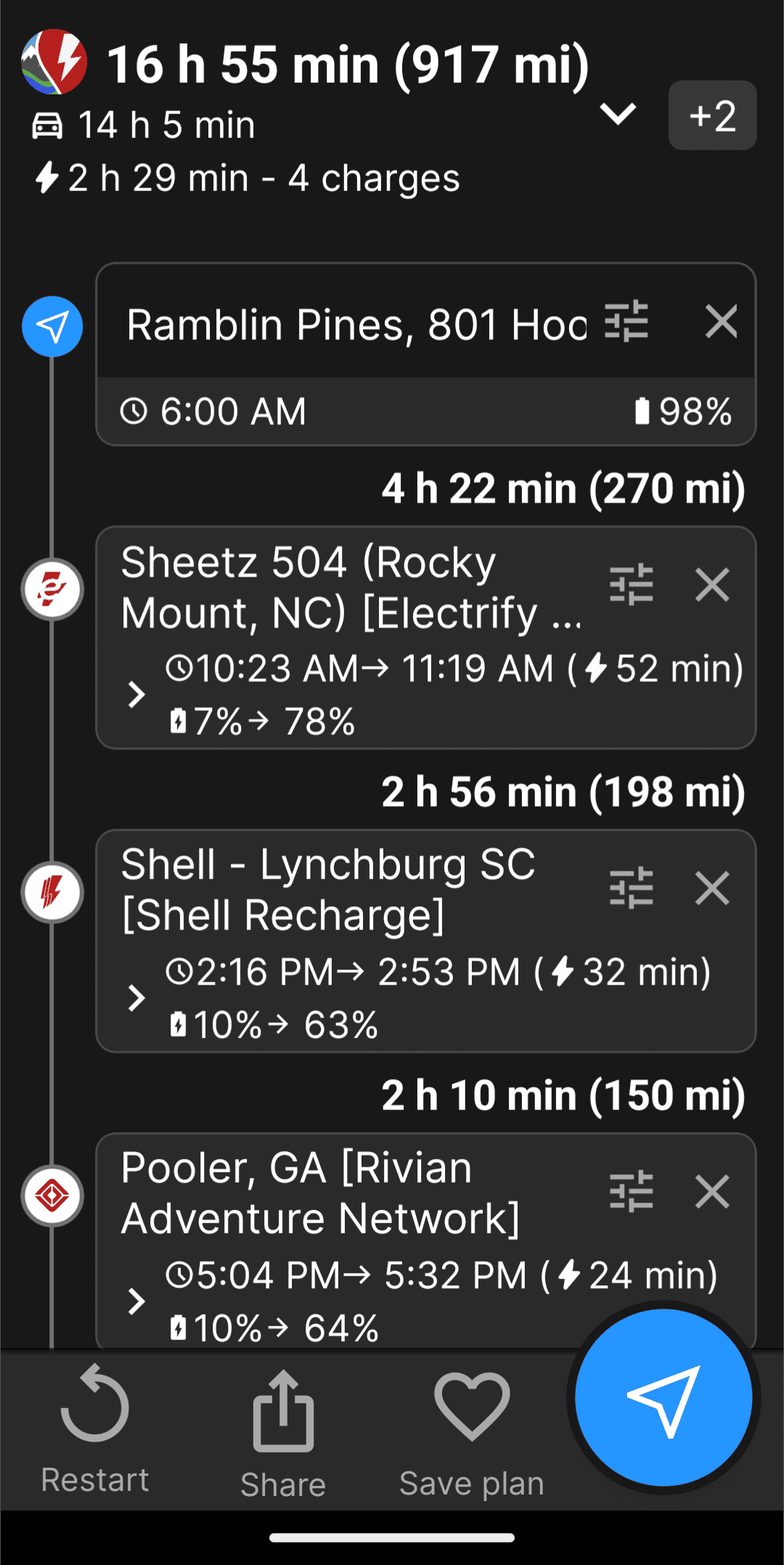
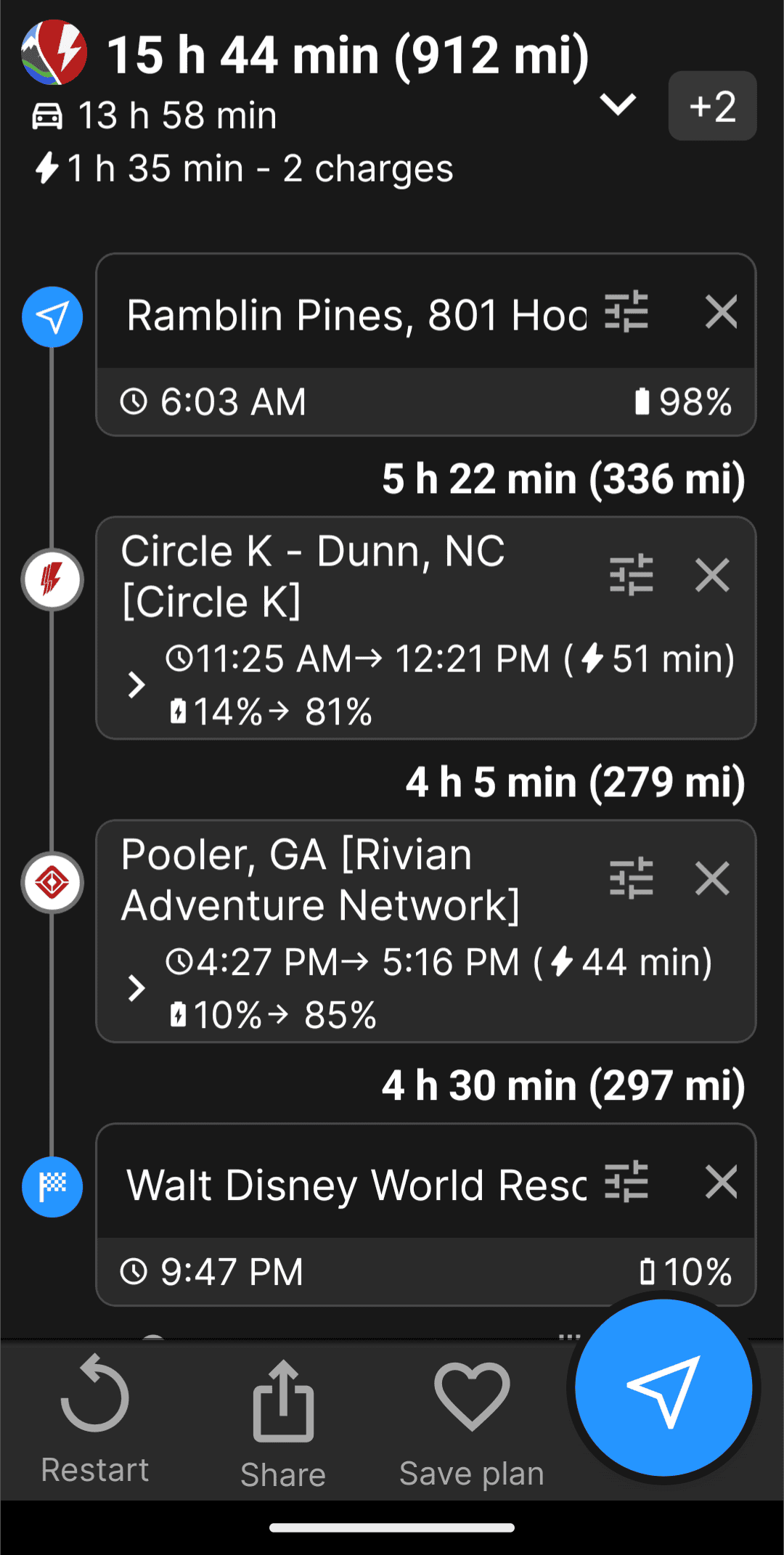
The range and driving scenarios will vary. There may be minor differences but nothing sticks out at me to say its worth a $10,000 upgrade other than to say i can go 400mi on a charge... which is cool...but like i said in the video 10k will cover quite a few public charges... from 20-70% 320 times assuming.a cost of $0.50 per kwh.
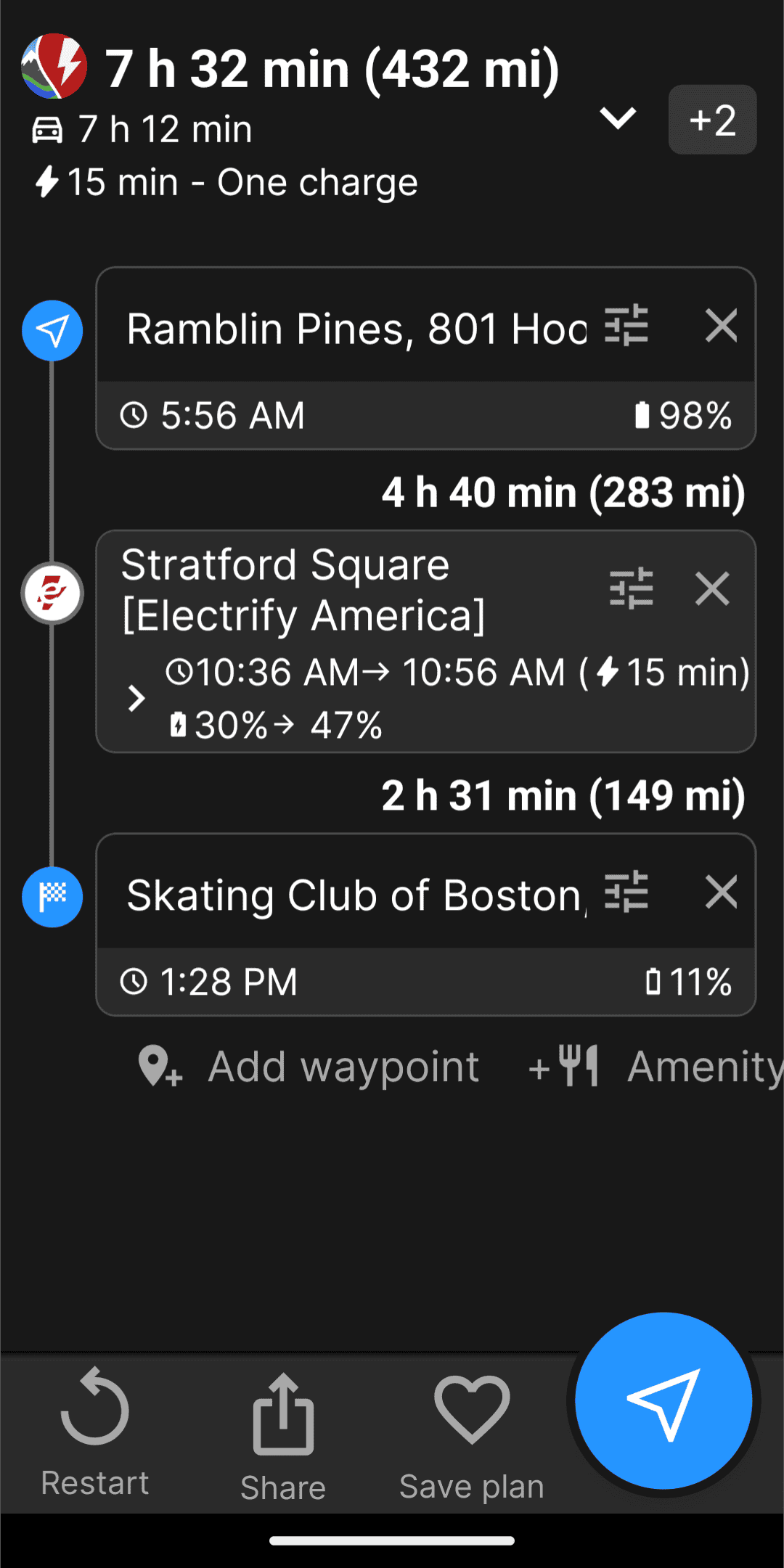
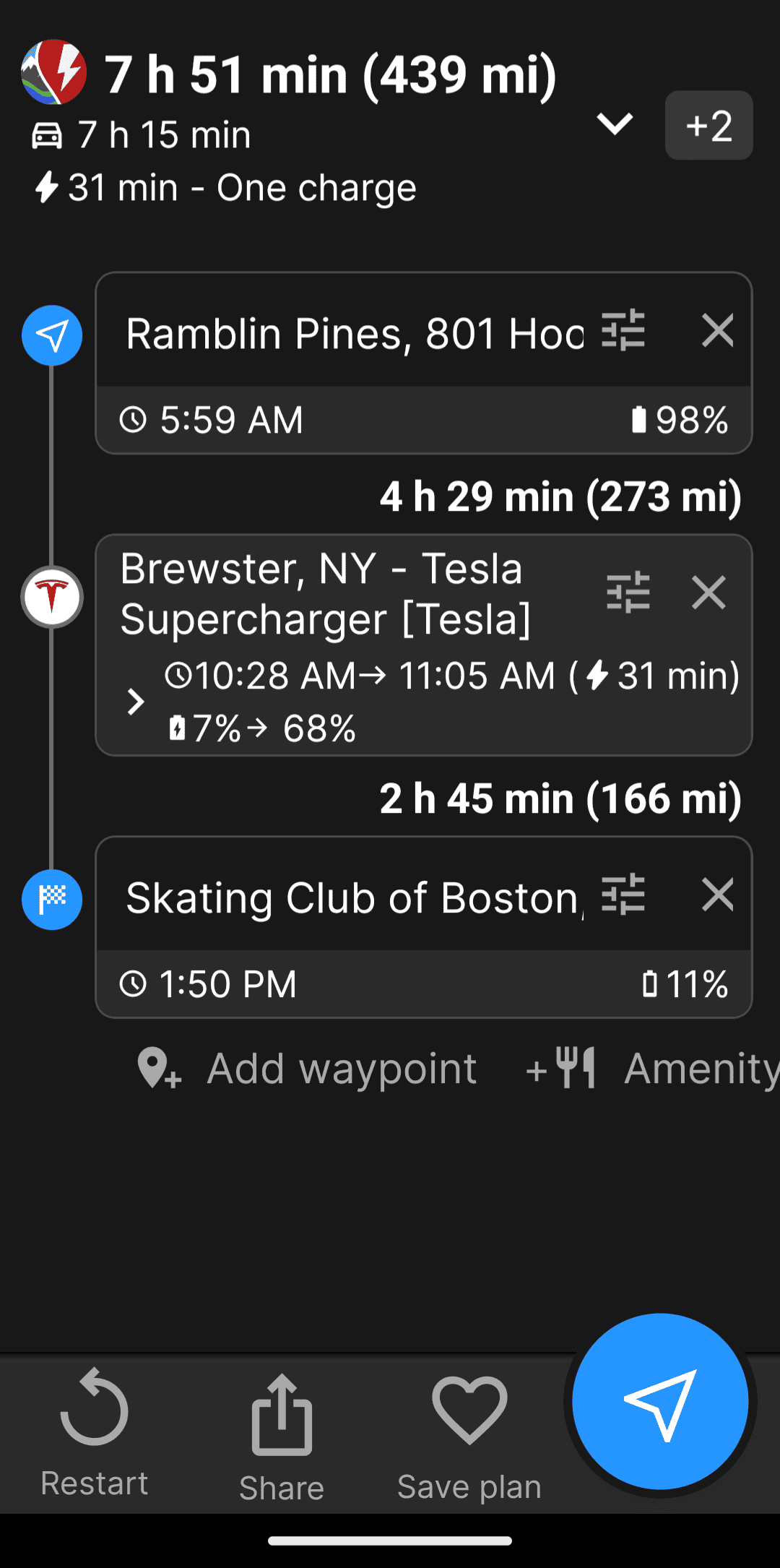
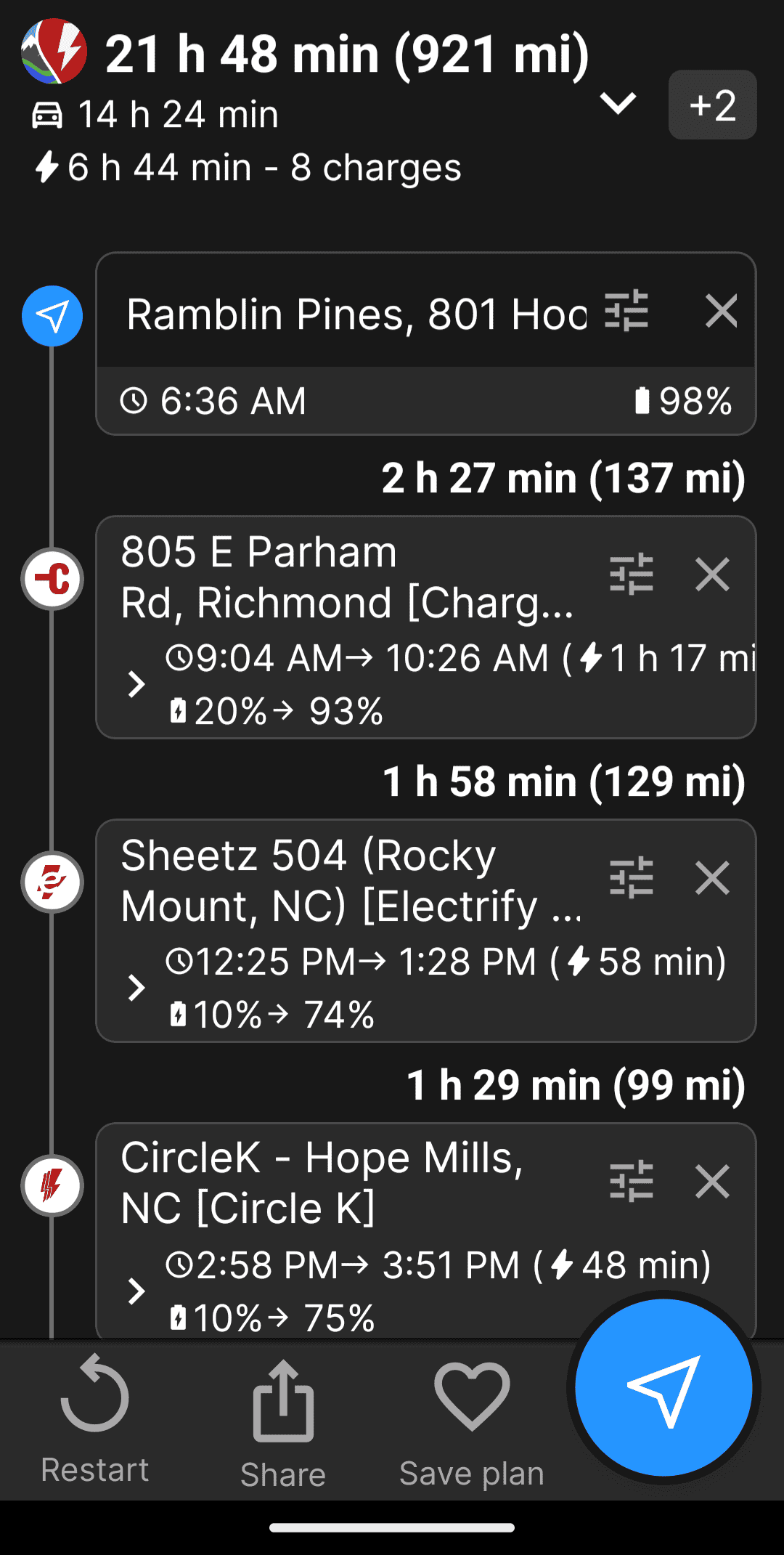
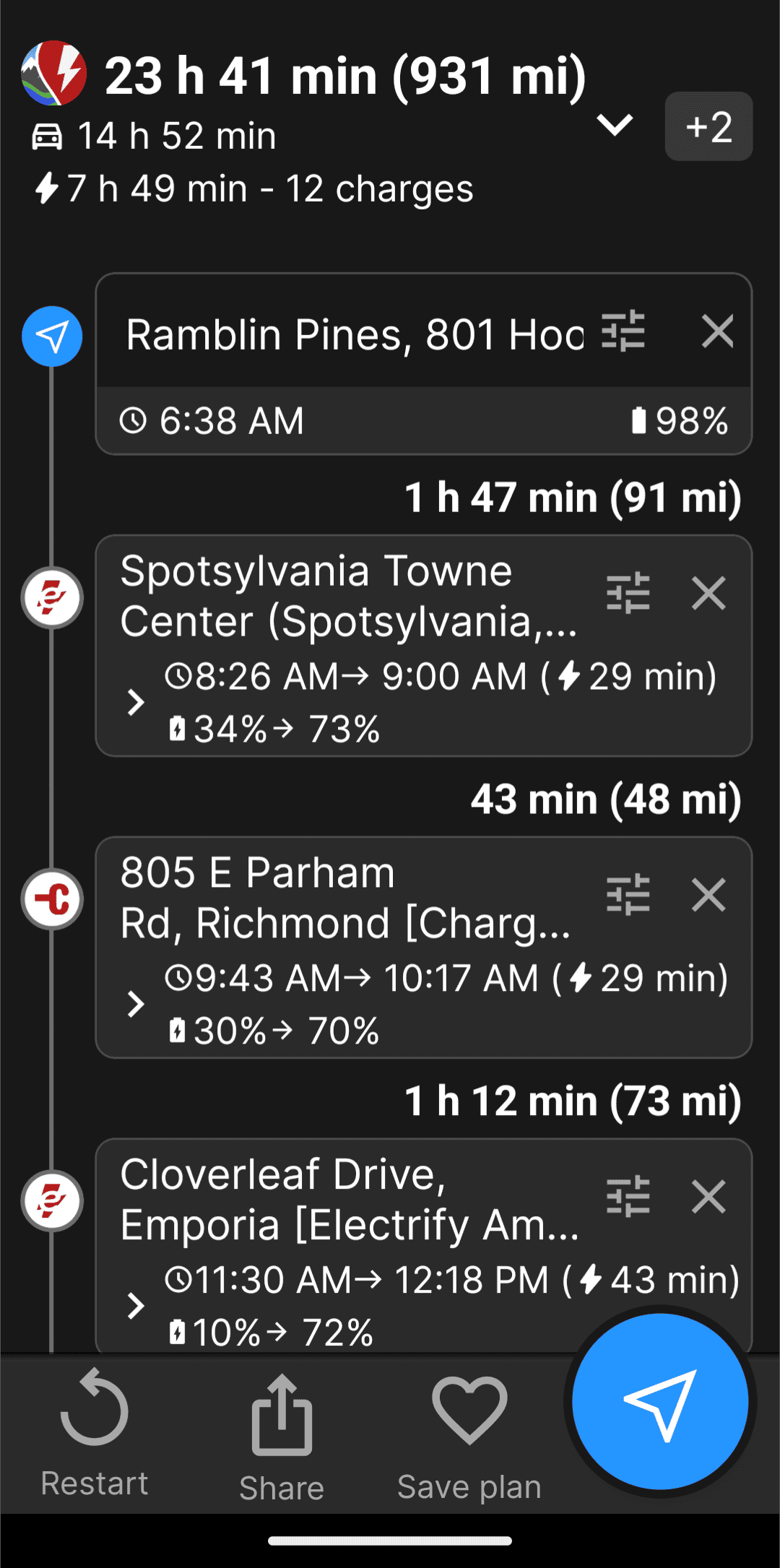
I just need you to clarify why because it is a larger pack on a trip why I need to add more kWs? I am expecting the efficiency to be similar between the 2 packs. I do not think there will be enough weight difference to make the max pack less efficient. Now I have traveled 150 miles, let's say I average 2.2 miles per kW, both vehicles will need to add back 68 kWs. If I stay under 70% putting that in the max pack and need to go to 80% on the large pack is the max pack not ending faster?
Sponsored