mkg3
Well-Known Member
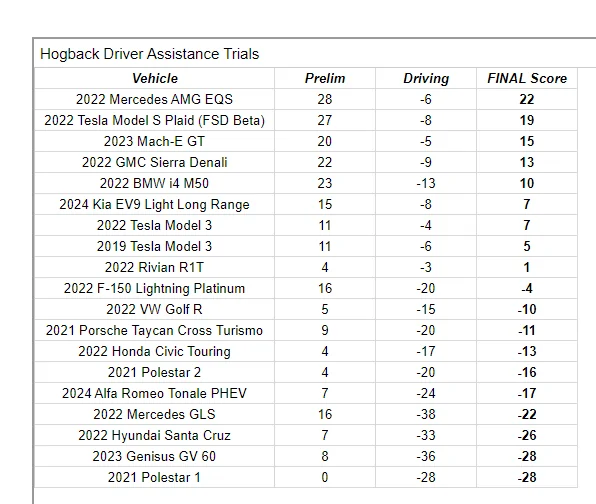
I listened to the Tesla earnings call too, and the comment was a major auto manufacturer. Rivian is not a major auto manufacturer. They are niche at best today.Then was mention in Tesla's earnings call yesterday that they are in talks with another car manufacture about licensing their full self driving software. I wonder if Rivian may be that manufacture. Driver+ seems to be way behind others, and I would expect they could more easily make the necessary hardware changes.
Faster Path to Market:
Addressing a Potential Customer Need:
- Reduced Development Time: Leveraging Tesla's existing FSD system would save Rivian years of development on their Driver+ assistant. This allows Rivian to offer a more competitive product sooner.
- Improved Feature Set: Tesla's FSD is constantly evolving, offering features like lane-changing and traffic light recognition. Licensing FSD would instantly upgrade Rivian's Driver+ capabilities.
Focus on Core Strengths:
- Market Demand: While Rivian hasn't prioritize self-driving, some customers might desire it, especially when Tesla officially rolls it out. FSD could attract a wider audience seeking advanced driver-assistance features.
- Competitive Landscape: Tesla is a leader in self-driving technology. Offering a comparable system would help Rivian compete more effectively.
However, there are also potential drawbacks to consider:
- Frees Up Resources: By using FSD, Rivian's engineering team could focus on core vehicle development and differentiation, like Rivian's off-road focus.
- Faster Iteration: Licensing avoids the need for a complete in-house solution, allowing Rivian to adapt and improve Driver+ features more quickly based on Tesla's updates.
Ultimately, the decision depends on Rivian's long-term vision. If self-driving becomes a priority (or a competitive requirement), licensing FSD could be a strategic move. But if Rivian prioritizes differentiation and driver engagement, focusing on in-house development of Driver+ might be their choice (... and we are in for a long wait).
- Cost: Licensing FSD might be expensive, impacting Rivian's profit margins.
- Integration Challenges: Integrating Tesla's software with Rivian's hardware and systems could be complex and time-consuming.
- Strategic Dependence: Rivian would become reliant on Tesla's roadmap for future advancements in self-driving technology.
Thoughts?
Would not surprise me if it's Ford. They really don't have anything going
Sponsored