DJG
Well-Known Member
Tesla doesn't even have it, and they are also a solar panel company. Time spent on R&D for something like this takes away from R&D on the R2, or whatever else that would apply to all owners, as it's a zero sum game on resources.I am surprised Rivian does not have a lighter version of this in the shop already. An accessory you could include in bed or inside R1S for those solo iffy adventure trips. At 2.7 KW peak output it could beat R1 power leak.

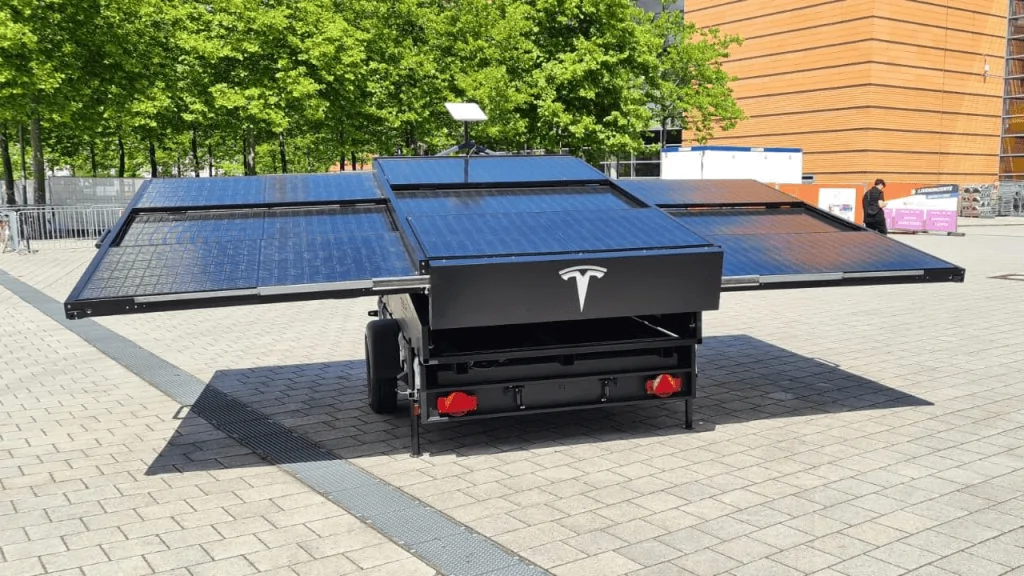
How long would it have to be deployed just to make up for the lost range from towing it? 2.7kw peak will end up being about 1-1.5kw in the battery after losses and thermal management (what I've witnessed charging at that rate on a home charger). You'll only get that for perhaps a few hours a day, if it's not cloudy, so on a good day perhaps you eek out 10kwh of energy, or 7.5% of the battery (probably generous). If you needed something like this, that means you've towed it a long ways, hundreds of miles, and eaten up multiples of that while doing so. Pulling this behind you also limits the distance from your last charger you can go, by probably 100 mi or more.
Not to mention the fact it would probably cost about $15,000 and it would make more sense to just get the Max pack. Rivian determined that a solar panel on the roof didn't provide the efficiency/energy to make up for the weight to add any appreciable net energy, so the answer certainly isn't to just add more panels and put them on a trailer with aero drag. Solar tech needs to make more advancements in efficiency for this to be viable, which is why Tesla isn't making it, but rather showing it as a concept for when it is somewhere down the road. However, by the time it is, it's not needed because the charging infrastructure will be sufficient for 99.99% of trips.
Sponsored