

Riviot
Well-Known Member
- Joined
- Mar 29, 2021
- Threads
- 123
- Messages
- 6,484
- Reaction score
- 10,952
- Location
- Kitsap, WA
- Vehicles
- R1T
my R1S garaged in Hawaii

Sponsored
my R1S garaged in Hawaii

I actually got this idea from your post about the camper being hooked up. I should have mentioned that and given you credit for the idea. Apologies!I have the same experience if I leave my camper hooked up via the 7-pin. Camper solar charges the battery and offsets the HV drain.
I have yet to check which battery is being maintained and if it causes issues because only one is.
No, I wanted to see if this would work first. But based on preliminary results I plan to attach a Kill A Watt meter when I get back on island.Awesome, thanks for sharing. Did you put a meter behind the battery tender to see what your draw looks like there?
I hooked it up directly to the 12V positive and negative terminals. Will take some photos when I get back. This R1S was delivered a year ago (7/2023) so I'm pretty sure it was one battery + capacitor, unlike my 2 battery 2022 R1T.I mentioned this in another thread if anyone has tested a 12V tender. I'm interested as well in how the battery tender was hooked up. I have an unused BT that I'd be fine hooking up to the 12V battery. The VD is ridiculous and adding up to 1.5kW or more per day.
I can't remember his user name but the owner who shipped an R1T to Germany last year disconnected the 12V during shipping, made sure the frunk didn't close, and had minimal vampire drain.So, the HV battery is constantly maintaining the 12v battery, that is running who knows what. Hence, the vampire drain from the HV battery. Maybe this is a stupid question, but what if one were to just disconnect the 12v battery (maybe with a switch) when VD coud be an issue - for instance, on a multi-day camping trip, far away from any available charging source. Of course, you woud have to leave the vehicle open so that you could gain access, after the battery has been disconnected. If a switch was accessibe externally, maybe you wouldn’t even have to do that. Obviously, the real answer to VD is identifying and disabling, if possible, those sources that are constantly draining the 12v battery. Considering it’s now been several years dealing with this issue, I am not optimistic that Rivian, or anybody else, has an answer to vampire drain.
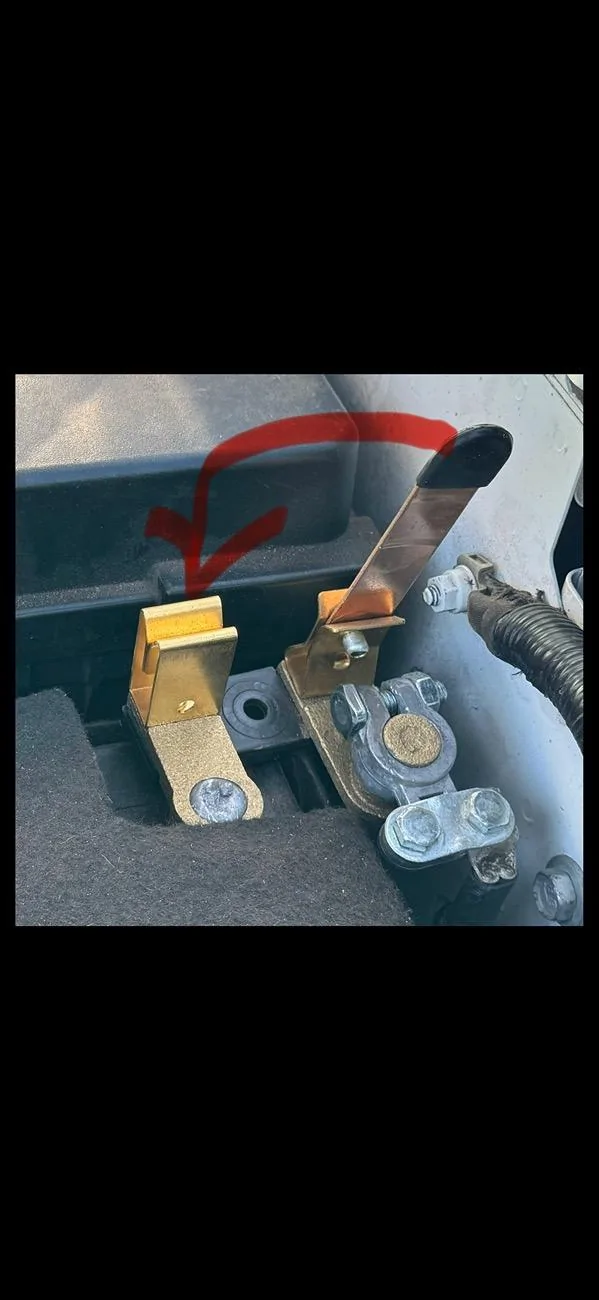
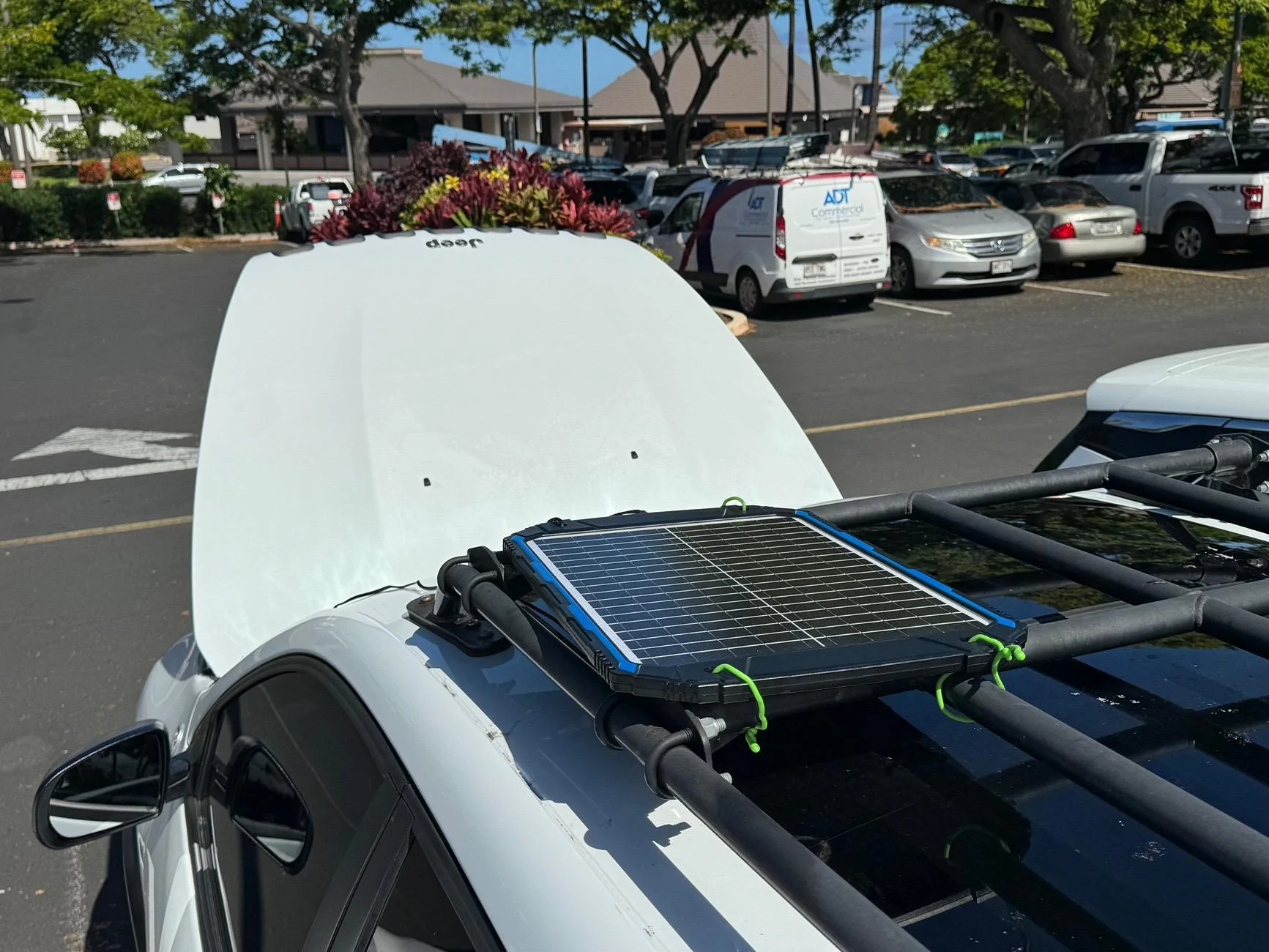
Exactly why I called it a possible hack. It might look effective but not actually doing much. Need the Kill A Watt to see how much is going towards maintaining that 12V battery. Might be a completely pointless exercise, although fewer cycles on the high voltage battery pack - especial while idle - is a win in my opinion. On the other hand, maybe the car is truly is deep sleep and not using a lot of energy? Who knows?This is cool and all, but its still wildly inefficient. You are still paying for the electricity from the battery tender. Glad to hear the drain on gen2 vehicles are lower.
This not being an ICEV, that has a generator/alternator for recharging while driving, what difference would charging while driving make in an EV? You can pay me now or pay me later ?One idea was a larger 12v battery so it could bridge most nights and only charge when the car was being driven. Someone else had experimented with a stateful solenoid to interrupt the negative lead when storing it.
It appears as if Gen 1 has ADHD.I can already imagine the hack...12v battery tender fed by a good sized Li battery that automatically recharges off the vehicle when it's actually on, therefore allowing the truck to really have a restful and efficient sleep for once.

I think the idea is that since the computers have 500-1000w of overhead, having the 12v charging only while the car is already in use saves the overhead used when charging at night. |
Yeah! This is what I’m talking about. If it’s possible to just disconnect the 12v with a switch, it may solve the problem. No 12v, no drain. I would certainly put the switch externally, where it could be accessed without opening the vehicle. Wouldn’t want to trust the frunk to not close, then being SOL. Although, I believe there is external access to a closed frunk. As a bonus, add a solar panel to trickle charge the 12v, if needed. Additionally, I wonder it this would create any system issues upon reconnecting.105834[/ATTACH]

Okay. Let me think about that ? There sure seems to be a lot of concern about charging at home overnight. Maybe I’m missing something ? Isn’t that pretty insignificant? I’m sure some have much higher electricity rates than I do, so I understand that could be a concern. I pay about $.07/kWh at home. So, if I have to add an additional 2/kWh per day to account for the VD, it’s only $0.14/day. Ouch! Again, for me, this becomes more of an issue when I’m in the middle of nowhere, many miles from power, for multiple days at a time. Then, every kWh is precious
I think the idea is that since the computers have 500-1000w of overhead, having the 12v charging only while the car is already in use saves the overhead used when charging at night.




I think the answer is yes, as this posting early in the thread indicates:Can’t you theoretically attach the battery tender to the jumper cables by the hitch receiver instead of directly to the battery?
I have the same experience if I leave my camper hooked up via the 7-pin. Camper solar charges the battery and offsets the HV drain.
I have yet to check which battery is being maintained and if it causes issues because only one is.

Several control modules and the HV->12V inverter have to power up to charge the 12 battery when sitting idle. That takes as much, and very likely more power than the actual charging of the 12v battery. By trickle charging from another source, you eliminate that Vampire Drain since the control modules and inverter don't power up one or more times a night. When you are driving, all those modules are powered up, so VD is not a factor.This not being an ICEV, that has a generator/alternator for recharging while driving, what difference would charging while driving make in an EV? You can pay me now or pay me later ?
Most of the talk on here is about managing drain while at home and using trickle chargers on the 12v battery. What is the value in that, unless we are talking about long term storage? Then, I can see it. In my case, I’m more concerned about being able to minimize drain when there is no external power source. The idea of using a solar panel, in lieu of a trickle charger, to top off the 12v seems more useful. But, at the end of the day, why do we even need to have this VD discussion. What we need is to identify the drain source and eliminate it, like, apparently, other car brands have done.
There have been reports of bricking the vehicle if you physically disconnect the 12 volt battery. With early dual battery vehicles, Rivian techs told people about a specific procedure they had to follow when changing batteries to avoid bricking. There are threads here about owners who changed their battery and had issues. I suspect that the number of bricking incidents will increase if people install 12v cutoff switches. IMO not worth if 1%-2% drain really bothers you and if 12v trickle might be the solution.Yeah! This is what I’m talking about. If it’s possible to just disconnect the 12v with a switch, it may solve the problem. No 12v, no drain. I would certainly put the switch externally, where it could be accessed without opening the vehicle. Wouldn’t want to trust the frunk to not close, then being SOL. Although, I believe there is external access to a closed frunk. As a bonus, add a solar panel to trickle charge the 12v, if needed. Additionally, I wonder it this would create any system issues upon reconnecting.
They make a hood solar panel for the R1 that looks interesting. I've thought about getting one, but didn't want to be the guinea pig on this one. I haven't seen anyone with it for the R1, but a few ICE folks have been positive about it.Thoughts on a solar panel that is constantly feeding the 12v system and keeping that topped off. Keep your SOC roughly the same whilest out camping could be cool experiment.

I'd be interested in the disconnect switch for multi-day camping scenarios ... of course, I'd want to test it really well at home to be sure the car comes back online smoothly.Yeah! This is what I’m talking about. If it’s possible to just disconnect the 12v with a switch, it may solve the problem. No 12v, no drain. I would certainly put the switch externally, where it could be accessed without opening the vehicle. Wouldn’t want to trust the frunk to not close, then being SOL. Although, I believe there is external access to a closed frunk. As a bonus, add a solar panel to trickle charge the 12v, if needed. Additionally, I wonder it this would create any system issues upon reconnecting.


