
mpshizzle
Well-Known Member
- Thread starter
- #1
Backstory
It’s been pretty well publicized that Gen 1 used a Mobileye autonomy system (It’s an “off the shelf” system purchased and used by MANY automakers). It failed to live up to expectations, and is a closed system that cannot be enhanced by additional sensors etc so Rivian decided to move to an in house system. This system has been very hyped with its high res cameras, upgraded sensors, and dual Nvidia Orin chips.
That all said - while Rivian hasn’t explicitly confirmed it, it’s all but certain that Gen 2 ALSO has a mobile eye system in addition to the in house system. So the question is: how much is Rivian’s in house system ACTUALLY doing?
So I did some testing!
My Theory:
Test 1: Mobileye ONLY
Looking at the cameras on the windshield It’s very clear that there are 2 different camera sets, in different housings, made with different materials. One is a housing with plain black plastic and a single camera, the other with 2 cameras, with a felt material (presumably to prevent light reflections and glare). I made the assumption that the cheaper looking, single camera unit is the mobile eye one. So using masking tape I covered every camera on the vehicle EXCEPT what I assumed was the mobile eye camera.

The camera module directly in the center is what I assume must be the mobileye unit
The Result
There were no error messages or complaints of any kind from the vehicle. The 3D visualization on the driver’s screen was WACKO. Phantom cars appearing and disappearing all over the place. That said, it wasn’t completely random noise. The lane lines continued to function as they always do (a very vague representation of what the lanes in real life are actually doing). In an addition to imaginary cars randomly appearing and disappearing all over the place, it did show actual cars as well (as long as they were in front of me). But it had a VERY hard time classifying what kinds of cars they were, mostly showing them as either cargo vans or semi trucks. It also seemed to have a hard time figuring out the orientation of said cars.

This was taken on an empty neighborhood street with no vehicles nearby.
As far as diver assistance - everything worked perfectly. Lane centering, lane changes, everything. Even when it showed an imaginary vehicle RIGHT next to me, it proceeded with the lane changes as normal.
Test 2: Everything BUT Mobileye
For the second test, I did the inverse. I covered the Mobileye camera and left everything else open.
The Result
Almost immediately I got a warning saying the front camera was blocked, and forward collision warning is unavailable. The visualization worked pretty much as normal, except for the lane lines. There were no lane lines visible at all. Incidentally, there’s a weird arbitrary limitation where the display won’t show vehicles that aren’t in the lane directly next to you (so vehicles 2 lanes over are hidden). Since there were no lane lines shown at all, it seemed to show cars a bit farther away than it normally would have. And it did very well at that, might I add, even correctly classifying what kind of vehicle it was.
This photo was taken with only the mobile eye camera blocked. No lane lines, but a near perfect representation of traffic conditions, as well as classification of vehicles.
Driver assistance features were totally dead. No cruise control, no lane centering.
My Takeaways
I was right! (For the most part). It appears that Mobile eye is providing the actual driver assistance (and some of the safety features too), while the Rivian system is providing the visualization. The part I got wrong: it appears that there is at least SOME data for the 3d visuals that mobile eye feeds into the system, since it did still show some cars, even with all of the other cameras covered.
So what is that fancy Rivian system even doing?
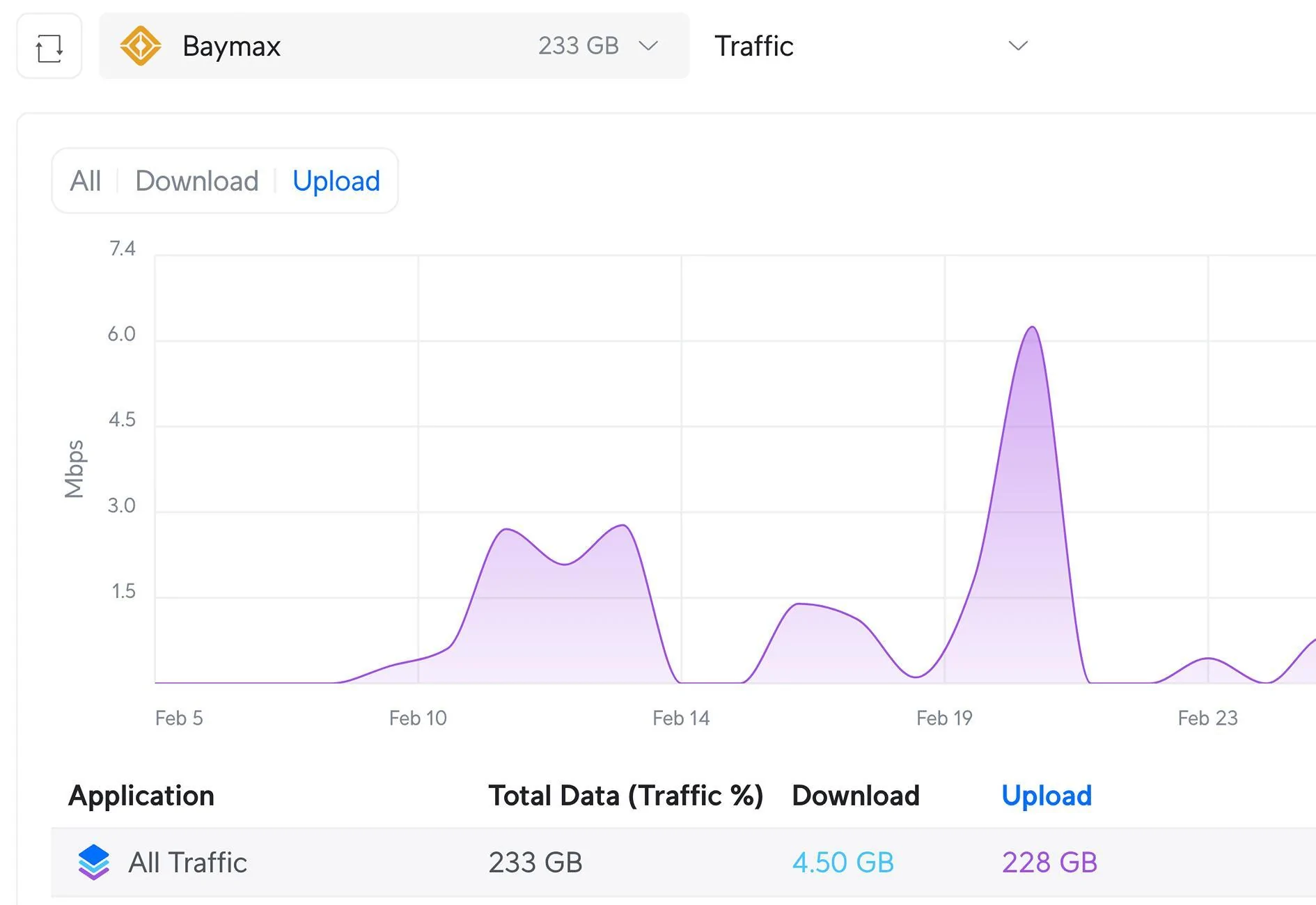
Right now - collecting data. And lots of it. In the last month it has uploaded 228GB worth of data on my home wifi - all presumably going to train the Rivian AI. Very curious as to when Rivian will switch over to using their own system.

It’s been pretty well publicized that Gen 1 used a Mobileye autonomy system (It’s an “off the shelf” system purchased and used by MANY automakers). It failed to live up to expectations, and is a closed system that cannot be enhanced by additional sensors etc so Rivian decided to move to an in house system. This system has been very hyped with its high res cameras, upgraded sensors, and dual Nvidia Orin chips.
That all said - while Rivian hasn’t explicitly confirmed it, it’s all but certain that Gen 2 ALSO has a mobile eye system in addition to the in house system. So the question is: how much is Rivian’s in house system ACTUALLY doing?
So I did some testing!
My Theory:
- Mobileye handles: All driving assistance features and lane line visualization
- Rivian handles: Vehicle visualization
Test 1: Mobileye ONLY
Looking at the cameras on the windshield It’s very clear that there are 2 different camera sets, in different housings, made with different materials. One is a housing with plain black plastic and a single camera, the other with 2 cameras, with a felt material (presumably to prevent light reflections and glare). I made the assumption that the cheaper looking, single camera unit is the mobile eye one. So using masking tape I covered every camera on the vehicle EXCEPT what I assumed was the mobile eye camera.
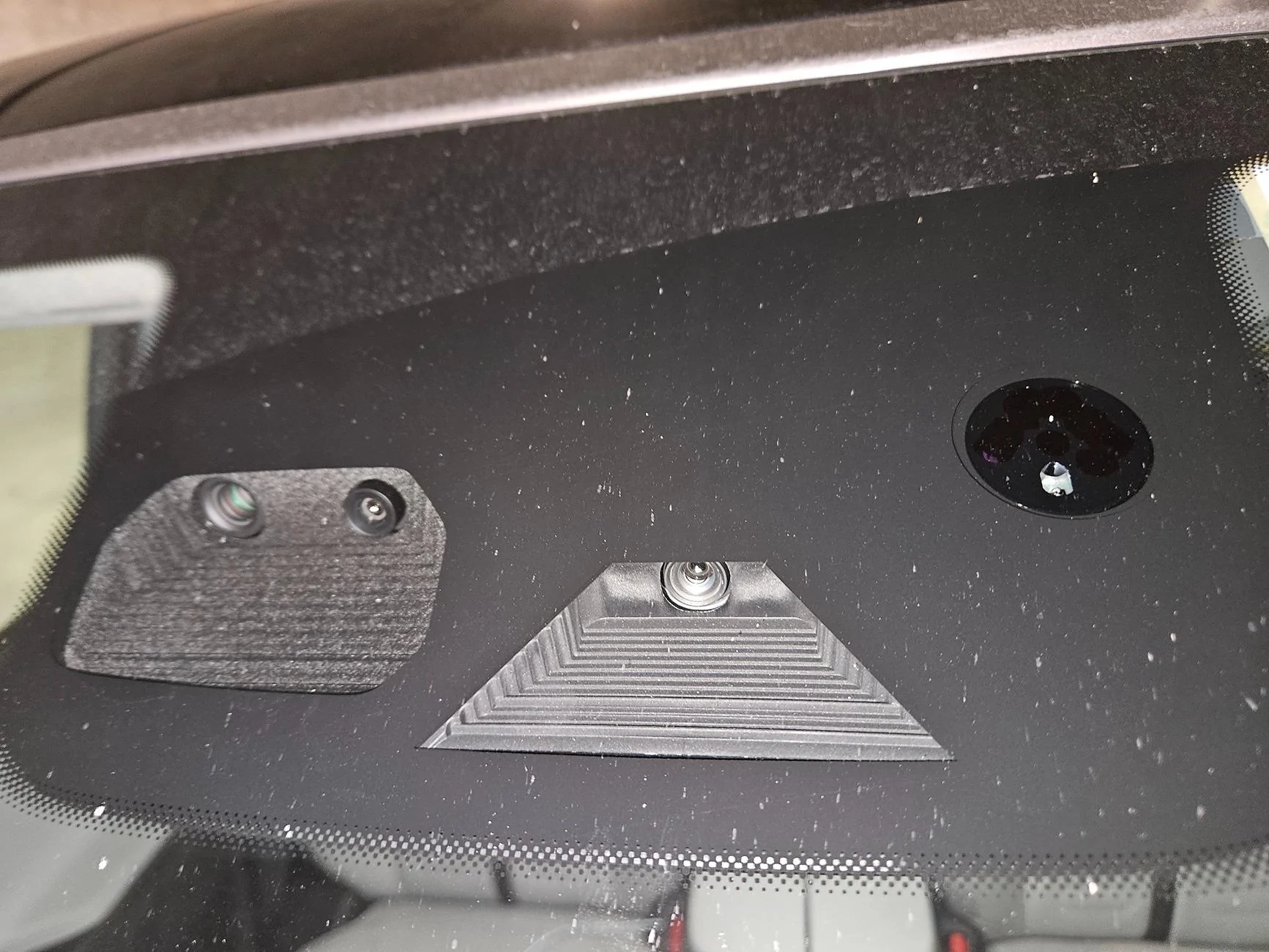
The camera module directly in the center is what I assume must be the mobileye unit
The Result
There were no error messages or complaints of any kind from the vehicle. The 3D visualization on the driver’s screen was WACKO. Phantom cars appearing and disappearing all over the place. That said, it wasn’t completely random noise. The lane lines continued to function as they always do (a very vague representation of what the lanes in real life are actually doing). In an addition to imaginary cars randomly appearing and disappearing all over the place, it did show actual cars as well (as long as they were in front of me). But it had a VERY hard time classifying what kinds of cars they were, mostly showing them as either cargo vans or semi trucks. It also seemed to have a hard time figuring out the orientation of said cars.
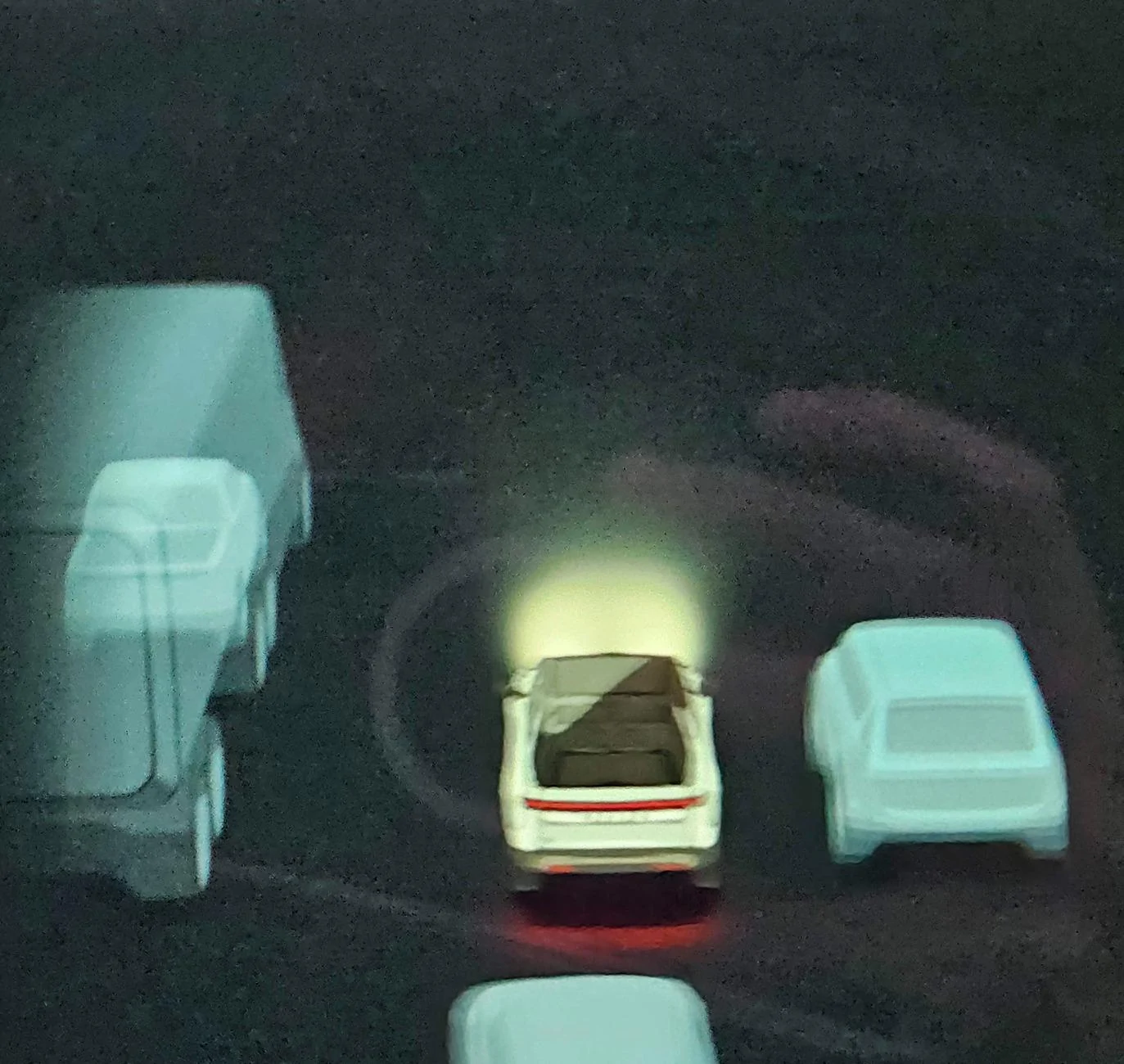
This was taken on an empty neighborhood street with no vehicles nearby.
As far as diver assistance - everything worked perfectly. Lane centering, lane changes, everything. Even when it showed an imaginary vehicle RIGHT next to me, it proceeded with the lane changes as normal.
Test 2: Everything BUT Mobileye
For the second test, I did the inverse. I covered the Mobileye camera and left everything else open.
The Result
Almost immediately I got a warning saying the front camera was blocked, and forward collision warning is unavailable. The visualization worked pretty much as normal, except for the lane lines. There were no lane lines visible at all. Incidentally, there’s a weird arbitrary limitation where the display won’t show vehicles that aren’t in the lane directly next to you (so vehicles 2 lanes over are hidden). Since there were no lane lines shown at all, it seemed to show cars a bit farther away than it normally would have. And it did very well at that, might I add, even correctly classifying what kind of vehicle it was.
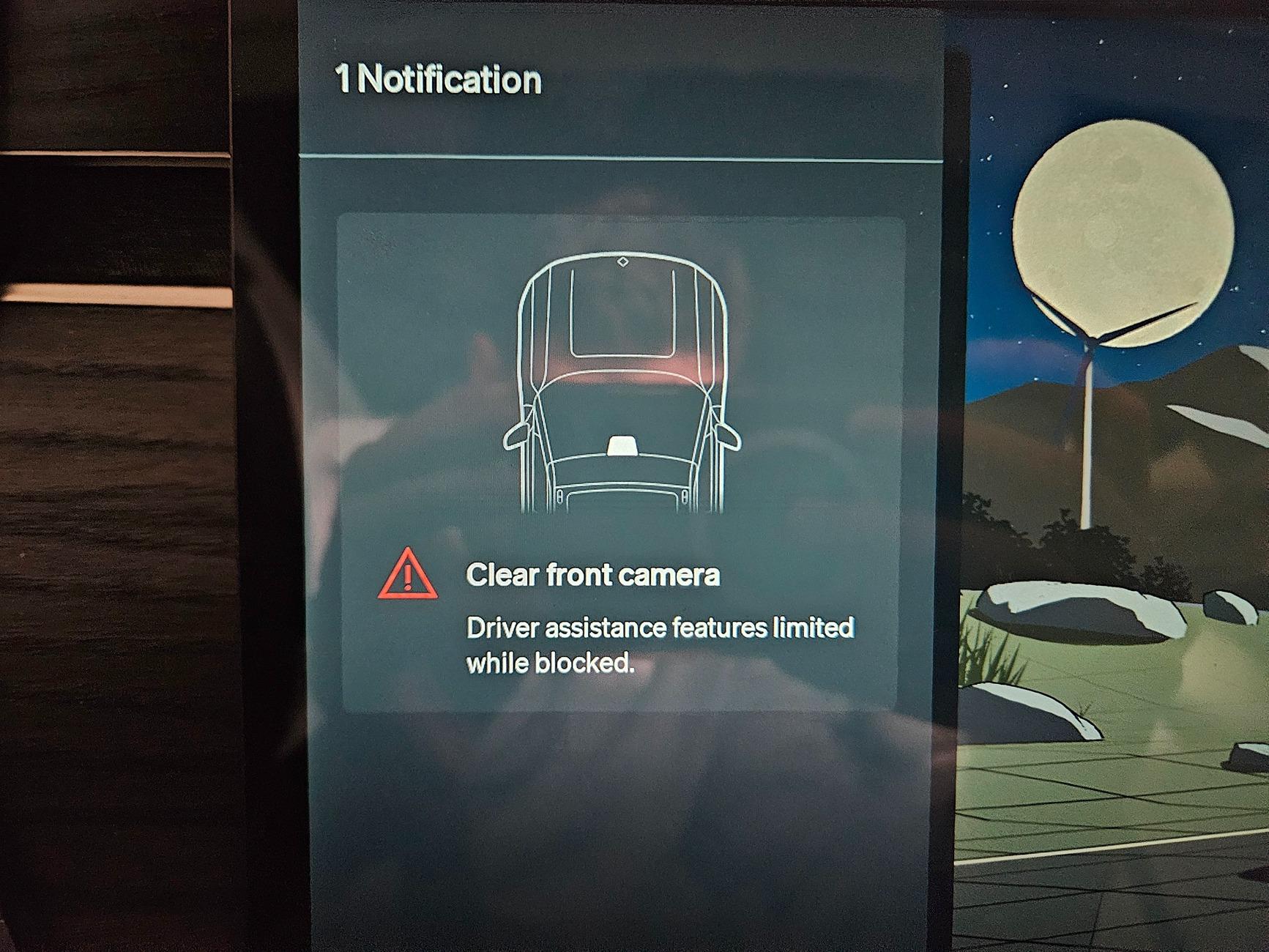
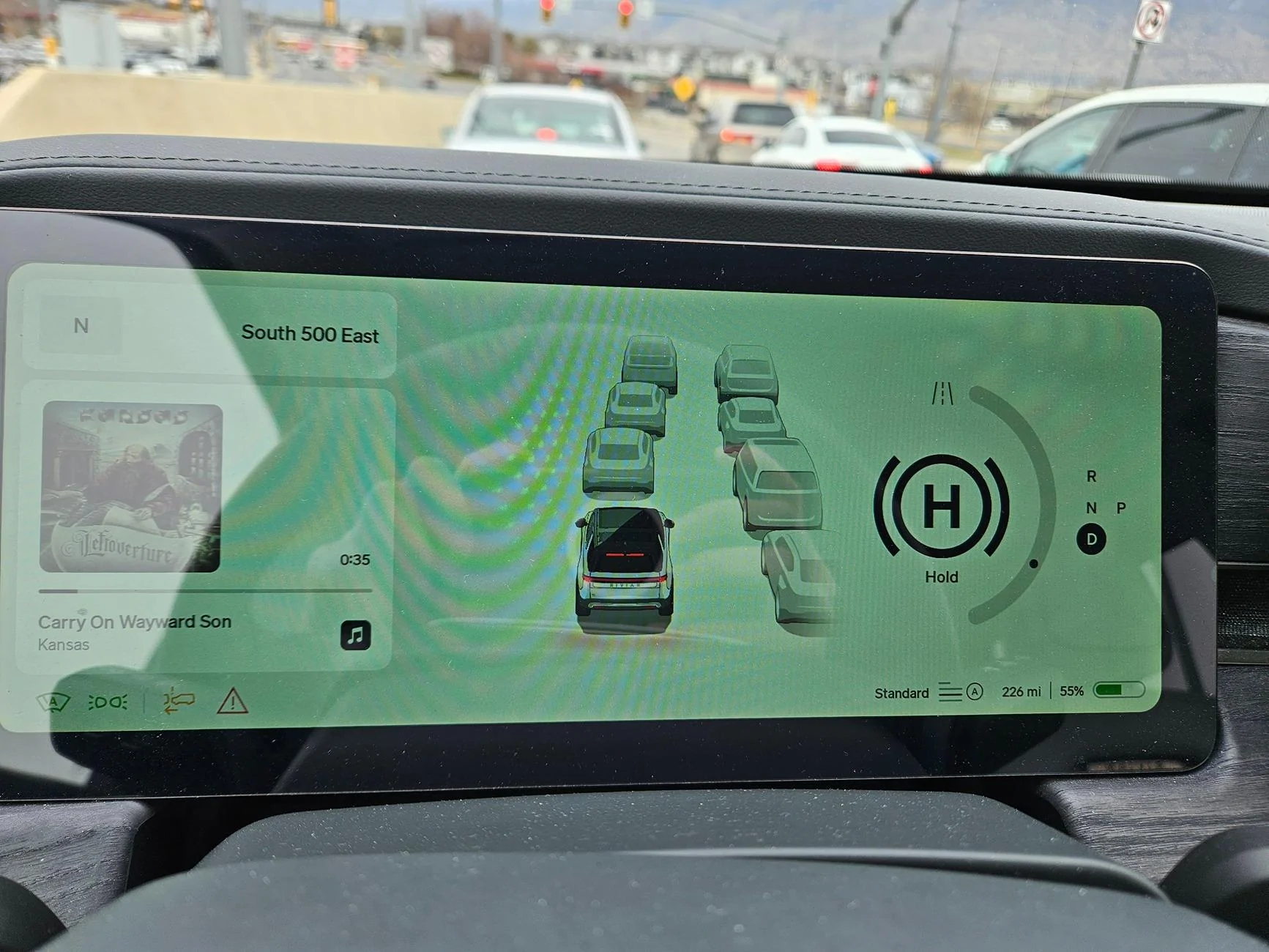
This photo was taken with only the mobile eye camera blocked. No lane lines, but a near perfect representation of traffic conditions, as well as classification of vehicles.
Driver assistance features were totally dead. No cruise control, no lane centering.
My Takeaways
I was right! (For the most part). It appears that Mobile eye is providing the actual driver assistance (and some of the safety features too), while the Rivian system is providing the visualization. The part I got wrong: it appears that there is at least SOME data for the 3d visuals that mobile eye feeds into the system, since it did still show some cars, even with all of the other cameras covered.
So what is that fancy Rivian system even doing?
Right now - collecting data. And lots of it. In the last month it has uploaded 228GB worth of data on my home wifi - all presumably going to train the Rivian AI. Very curious as to when Rivian will switch over to using their own system.
Sponsored


 But FWIW - these systems are safety conscious enough that if they don't feel confident, they just won't turn on