- Banned
- #16
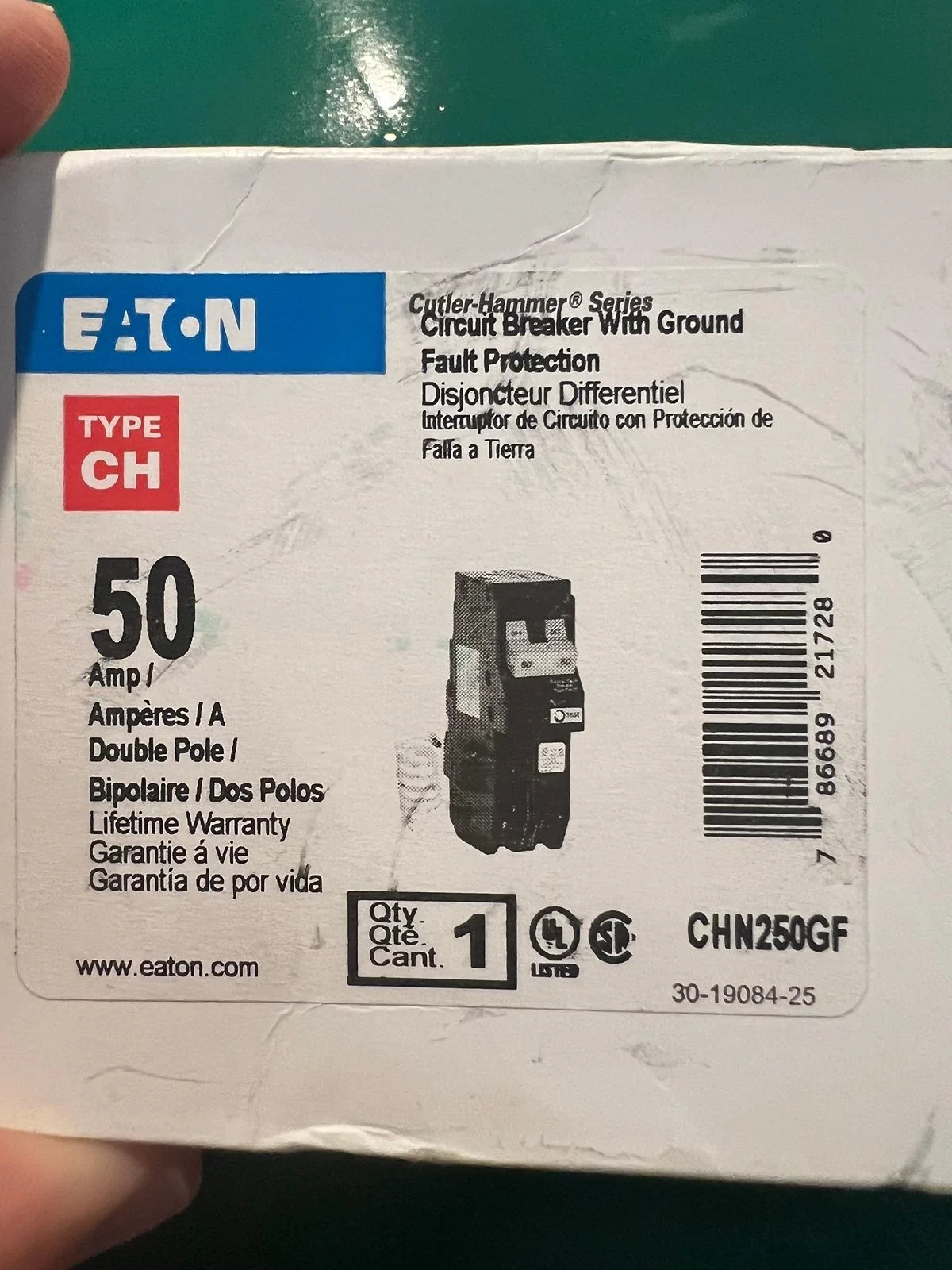
JUst a humble suggestion. Consider installing a 60 A breaker instead of 50. That way, you will be kind of future proofing your EV charging station, just in case.
When I had my Tesla charger put in, the Tesla-licensed installer wanted to use a 40 A breaker, which would have meant that my Tesla charger forever would be derated to 32 A maximum. I said no way; thus, I had a 60 A breaker installed to take full advantage of my Tesla Wall Charger output of 48 A max.
Perhaps your EV may take more than 40 A. If it does, you will be set.
I see other wall charges coming out with as much as I think 80 A charging capacity. That's overkill for me. 48 A is plenty fast for most home charging.
Please report how it all turns out.
When I had my Tesla charger put in, the Tesla-licensed installer wanted to use a 40 A breaker, which would have meant that my Tesla charger forever would be derated to 32 A maximum. I said no way; thus, I had a 60 A breaker installed to take full advantage of my Tesla Wall Charger output of 48 A max.
Perhaps your EV may take more than 40 A. If it does, you will be set.
I see other wall charges coming out with as much as I think 80 A charging capacity. That's overkill for me. 48 A is plenty fast for most home charging.
Please report how it all turns out.
Sponsored