KBabione
Well-Known Member
- First Name
- Kevin
- Joined
- Sep 11, 2023
- Threads
- 49
- Messages
- 1,530
- Reaction score
- 2,116
- Location
- Lititz, PA
- Vehicles
- 2023 R1S Quad (8/23)
- Occupation
- Consultant
- Thread starter
- #1
In the fall I picked up a Bluetti AC180 (1152 Wh, 1800W, 2700W peak) for $450 to use as a buffer for my electric appliances while camping. While I don't require the juice often, when warming things up I discovered it was easy to exceed the 1500W limit of the Rivian inverter and cause it to trip.
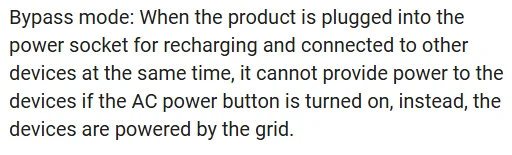
Alas, my master plan was somewhat foiled when I realized that when the Bluetti is plugged into an AC input source it passes all demand straight through to the AC input. That means that if my draw exceeds 1500W while the Bluetti is plugged into the Rivian, the breaker will trip and the Rivian will stop providing power. I went back and forth with the Bluetti Tech team hoping that they'd be able to limit the draw when plugged in but they couldn't. They offered a solution that would connect to the 12V battery directly (not really an option with the Rivian) or suggested solar. My interim solution was to keep the Bluetti unplugged from AC when I'm using it and to plug it into the 12V which will trickle 90W into the battery while I'm using it. When finished, plug it back into AC to fully recharge it.
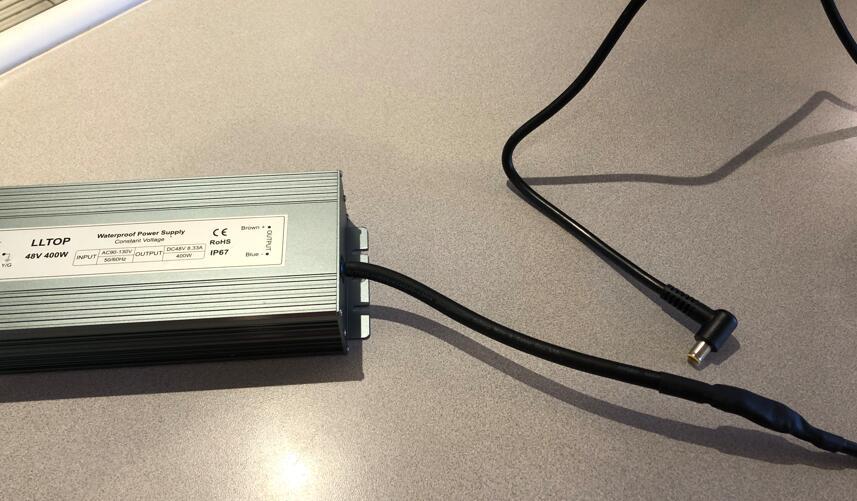
Then one night I realized that it will accept up to 500W of solar (12-60V) of DC input. Solar won't really work for me and my use case (which will often be after dark camping), but why couldn't I find a power supply that would plug into the Rivian AC and output 500W to the Bluetti? I couldn't find one ready-made, so I assembled my own using these two components:
48V 400W Power Supply
DC7909 Power Pigtails with 90-Degree Plug
Here's the completed project:

Now it was time to test it with one of my anticipated use cases: My sous-vide (1100W) and my induction cooktop (600W/900W/1500W depending on setting):

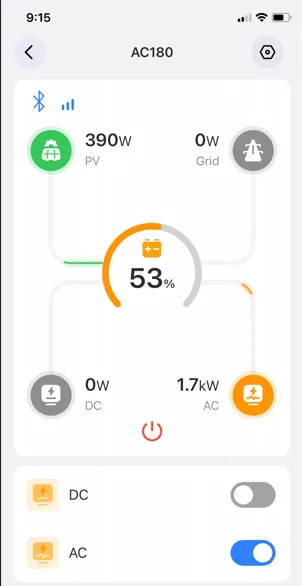
And I'm happy to say it worked! Here's a screenshot from the Bluetti app showing that I'm drawing 1700W while simultaneously charging it at almost 400W:

I'm really pleased with this relatively inexpensive setup that I'll use at most 5-10 times a year and thought I'd share.
Alas, my master plan was somewhat foiled when I realized that when the Bluetti is plugged into an AC input source it passes all demand straight through to the AC input. That means that if my draw exceeds 1500W while the Bluetti is plugged into the Rivian, the breaker will trip and the Rivian will stop providing power. I went back and forth with the Bluetti Tech team hoping that they'd be able to limit the draw when plugged in but they couldn't. They offered a solution that would connect to the 12V battery directly (not really an option with the Rivian) or suggested solar. My interim solution was to keep the Bluetti unplugged from AC when I'm using it and to plug it into the 12V which will trickle 90W into the battery while I'm using it. When finished, plug it back into AC to fully recharge it.
Then one night I realized that it will accept up to 500W of solar (12-60V) of DC input. Solar won't really work for me and my use case (which will often be after dark camping), but why couldn't I find a power supply that would plug into the Rivian AC and output 500W to the Bluetti? I couldn't find one ready-made, so I assembled my own using these two components:
48V 400W Power Supply
DC7909 Power Pigtails with 90-Degree Plug
Here's the completed project:
Now it was time to test it with one of my anticipated use cases: My sous-vide (1100W) and my induction cooktop (600W/900W/1500W depending on setting):
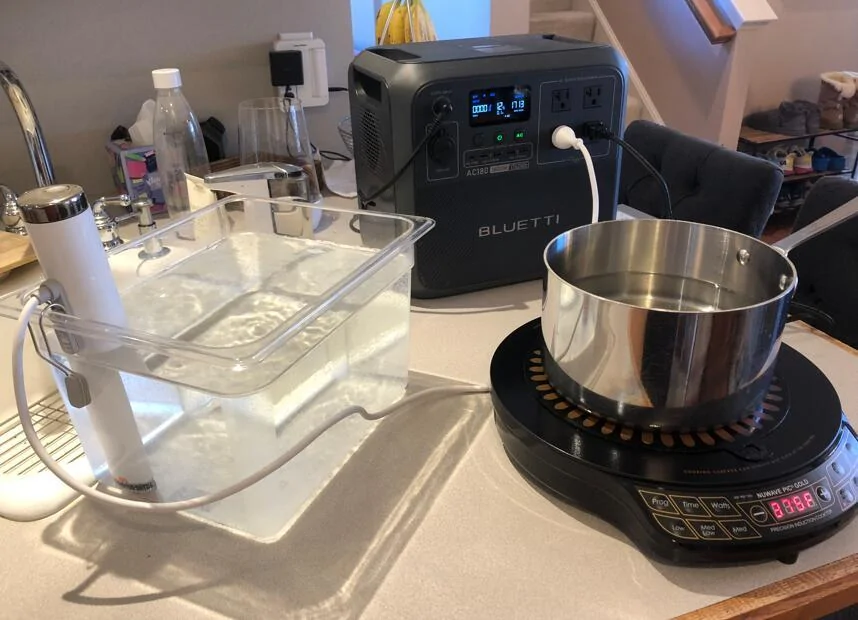
And I'm happy to say it worked! Here's a screenshot from the Bluetti app showing that I'm drawing 1700W while simultaneously charging it at almost 400W:
I'm really pleased with this relatively inexpensive setup that I'll use at most 5-10 times a year and thought I'd share.
Sponsored