Dark-Fx
Well-Known Member
Just because it's called the north american standard doesn't make it that. SAE is still going to maintain the CCS1 standard.Since NACS connector is now officially going to be the North American standard,
Sponsored
Just because it's called the north american standard doesn't make it that. SAE is still going to maintain the CCS1 standard.Since NACS connector is now officially going to be the North American standard,
"is going to be" carries a lot of weight there, especially since several large manufacturers haven't said a peep yet. Actually, that's not true. VW said they do not plan to switch from CCS1.Adapters will be available for all the old style (CCS in this case) vehicles... they can use them to connect to the new stations.
Since NACS connector is now officially going to be the North American standard, why build new stations that use by definition non-standard connectors for EV's produced for North America?
Tesla needs to demonstrate they are actually capable of upgrading stations to v4 at scale, IMO. 1000v NACS is still non-existent but 920V CCS has been deployed for upwards of 5 years now."is going to be" carries a lot of weight there, especially since several large manufacturers haven't said a peep yet. Actually, that's not true. VW said they do not plan to switch from CCS1.
Then you are not compliant with the standard.What are the consequences if your organization decides not to implement the changes onto an updated specification?
There will be adaptors available next year and I believe like Rivan, the other OEMs (Ford, GM, Volvo) will be giving them for free to their CCS customers. Even if not free, how much money would be saved for everyone to be sent a free adaptor vs including CCS on chargers that wont really be needed? Current CCS cars are completely covered by this move and we need to move on and all future chargers need NACS starting in 2024 (when the adapters are available).There will still be hundreds of thousands of vehicles with CCS on the road in the US for at least a decade. The government isn't going to do a new regulation just to change the CCS requirement unless every automaker switches. They'll leave that requirement in place but allow dual port chargers, which is probably the best solution anyway.
As of today, there will be adapters available for people with GM, Ford, Rivian, and (I assume, but haven't seen confirmation) Volvo. So what do people with VW (Audi, Porsche and VW), Hyundai or Kia, etc. do for charging? Also, we still don't have confirmation that the "NACS" as adopted will properly support 800V charging as required by several of the cars I mentioned. Beyond that, adapters can break, be lost, or be stolen. The government should not, and cannot reasonably, rely on adapters for the chargers that are built with public funds. This is critical infrastructure we're talking about. People could literally be stranded in the middle of the night if a charger doesn't work for them. Adapters might be fine for private entities to rely on, but the government shouldn't be allocating funds to such a critical thing if that critical thing relies on the individual having an adapter.There will be adaptors available next year and I believe like Rivan, the other OEMs (Ford, GM, Volvo) will be giving them for free to their CCS customers. Even if not free, how much money would be saved for everyone to be sent a free adaptor vs including CCS on chargers that wont really be needed? Current CCS cars are completely covered by this move and we need to move on and all future chargers need NACS starting in 2024 (when the adapters are available).
I don't disagree with any of your points. I would say however, that CCS infrastructure does exist today and it gets the job done. Let's not start cutting the CCS ends off cables and put in NACS, but for new chargers, let's focus on NACS and maximize ROI. ~10 years from now, CCS probably shouldn't exist on any chargers (assuming all OEMs will be on NACS by then) but we can cross that bridge when we get there.As of today, there will be adapters available for people with GM, Ford, Rivian, and (I assume, but haven't seen confirmation) Volvo. So what do people with VW (Audi, Porsche and VW), Hyundai or Kia, etc. do for charging? Also, we still don't have confirmation that the "NACS" as adopted will properly support 800V charging as required by several of the cars I mentioned. Beyond that, adapters can break, be lost, or be stolen. The government should not, and cannot reasonably, rely on adapters for the chargers that are built with public funds. This is critical infrastructure we're talking about. People could literally be stranded in the middle of the night if a charger doesn't work for them. Adapters might be fine for private entities to rely on, but the government shouldn't be allocating funds to such a critical thing if that critical thing relies on the individual having an adapter.
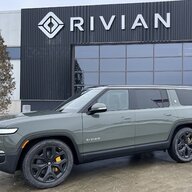
There is not currently an adapter to go from NACS to CCS but if you look up the Tesla Magic Dock pretty sure that is what it will be.I do wonder about what's needed for an adapter. I think if the vehicle knows how to communicate over the pins and can detect NACS vs CCS1, then would the adapter just be able to be a 1:1 pin adapter?
My understanding is that the Tesla connector isn't directly connected to the battery, it has a switch, and supposedly CCS is directly connected, but I'm not really sure that it doesn't have a switch. If there is a difference in switching for protection reasons, it's possible the adapter would need to have a built in switch, and that would need an IC to control it.
It's also possible that Tesla will come up with a design, test it and certify it, then let anyone manufacture the shell and put their logos on it.
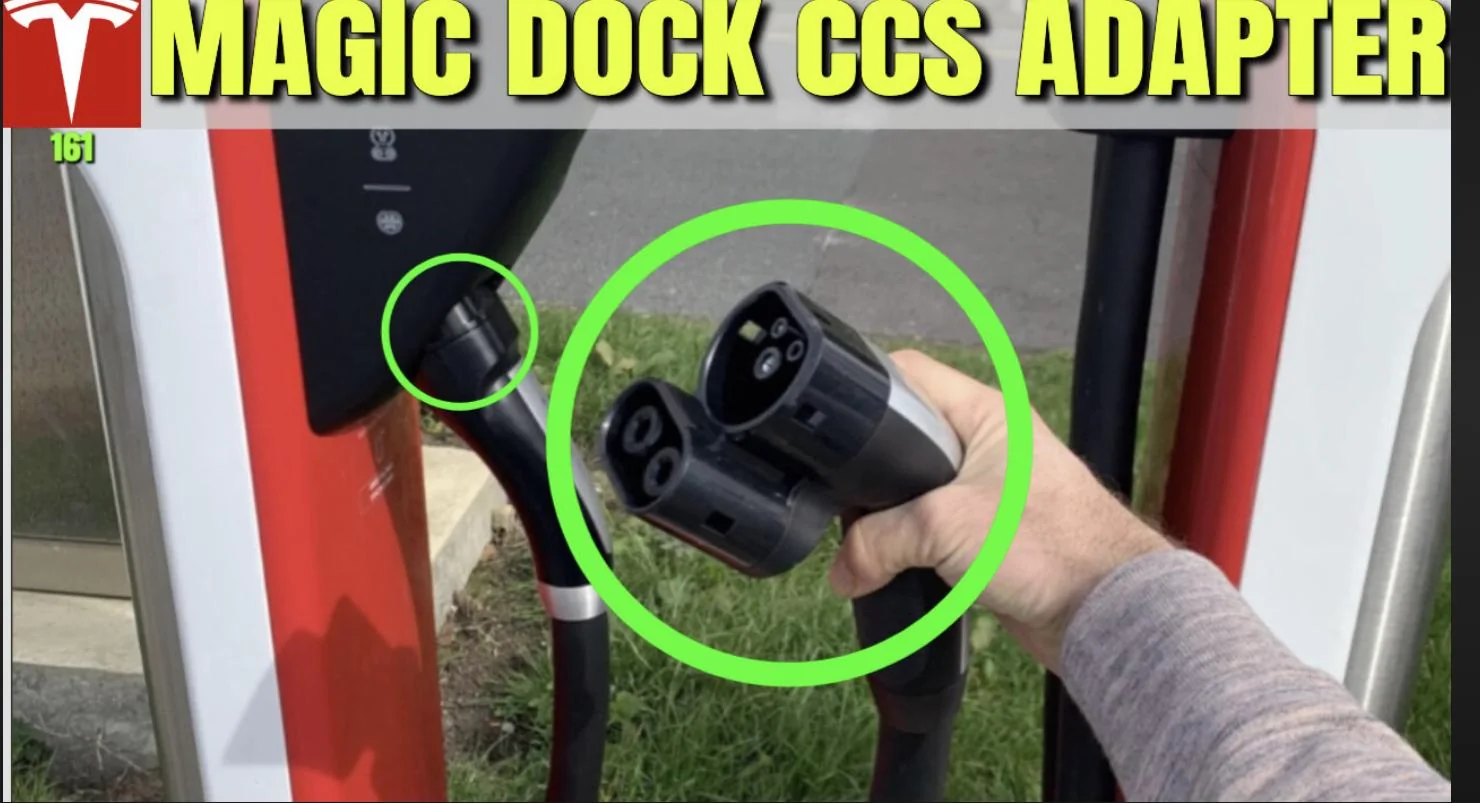
Tesla and the DC portion of CCS1 are essentially the same. It's just on the car side Tesla also maps the DC pins to the input side of the onboard charger where CCS (J1772) has entirely different pins for that. On a v3 supercharger it should just be a dumb 1:1 adapter with no smarts in it, since the smarts are still handled by the car and DC charger the same.I do wonder about what's needed for an adapter. I think if the vehicle knows how to communicate over the pins and can detect NACS vs CCS1, then would the adapter just be able to be a 1:1 pin adapter?
My understanding is that the Tesla connector isn't directly connected to the battery, it has a switch, and supposedly CCS is directly connected, but I'm not really sure that it doesn't have a switch. If there is a difference in switching for protection reasons, it's possible the adapter would need to have a built in switch, and that would need an IC to control it.
It's also possible that Tesla will come up with a design, test it and certify it, then let anyone manufacture the shell and put their logos on it.

Because NACS isn't that standard *YET*. CCS **IS** the standard. It is still possible that CharIN/SAE will find severe technical issues with NACS that will take a year or more to sort out, delaying adoption of it. (Remember: "The connector currently on Tesla vehicles and Supercharger stations" is *NOT* the same as NACS! It is supposed to be compatible, but it is a completely-custom Tesla thing at present, with specs that differ from those proposed for NACS! No 800V, for example. 600A maximum, while NACS is supposed to follow CCS standard and top out at 500A.)Adapters will be available for all the old style (CCS in this case) vehicles... they can use them to connect to the new stations.
Since NACS connector is now officially going to be the North American standard, why build new stations that use by definition non-standard connectors for EV's produced for North America?
That is the wrong image.There is not currently an adapter to go from NACS to CCS but if you look up the Tesla Magic Dock pretty sure that is what it will be.
Edit adding image

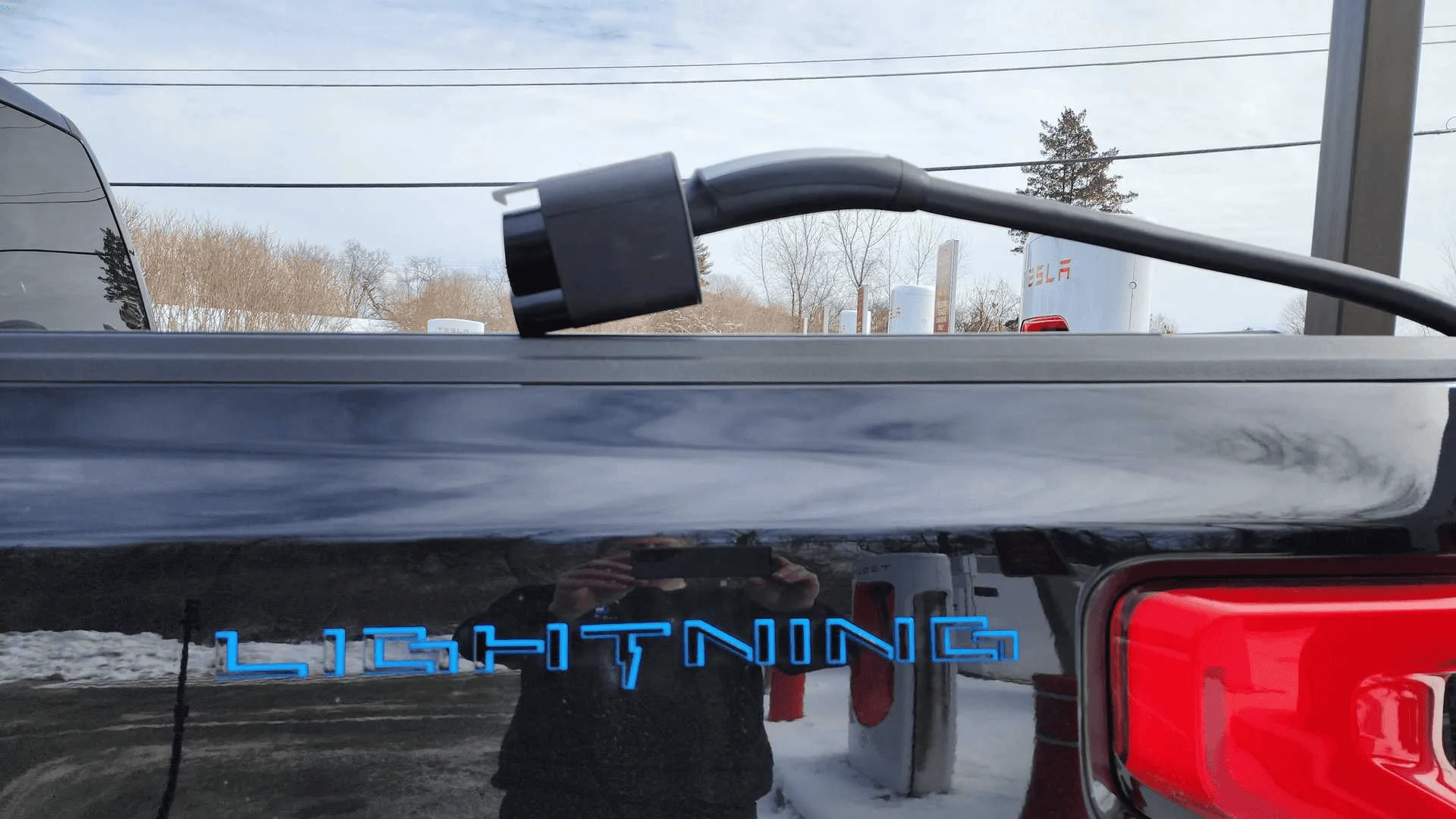

You can't just plug a CCS_to_Tesla adapter onto a CCS car and have auth/comm/billing negotiation on a non-Magic Dock stall. There are implementation considerations on both the car and manufacturers backend - assuming the latter is in place, the former might still require a software update (which would be pretty easy) or possibly a hardware change, or at worst case, just not be upgradeable to meet the requirements.Adapters will be available for all the old style (CCS in this case) vehicles... they can use them to connect to the new stations.
Well that's not what Ford, GM, and Rivian are claiming. They say that the CCS to NACS adapter can be used on any of their CCS cars to any supercharger station.You can't just plug a CCS_to_Tesla adapter onto a CCS car and have auth/comm/billing negotiation on a non-Magic Dock stall. There are implementation considerations on both the car and manufacturers backend - assuming the latter is in place, the former might still require a software update (which would be pretty easy) or possibly a hardware change, or at worst case, just not be upgradeable to meet the requirements.
So there will be a - edited to call this a "non-trivial" - number of CCS vehicles in the US, those won't be able to use a Tesla SuC unless it's a Magic Dock (and I have no idea what their intended expansion plans look like for that system).
That's definitely not being claimed because there are more than 12,000 supercharger stalls in the US.Well that's not what Ford, GM, and Rivian are claiming. They say that the CCS to NACS adapter can be used on any of their CCS cars to any supercharger station.


