Sponsored

Anyone using garage tiles under their heavy Rivian?

Geralt919

Member
First Name
Chris
Joined
Nov 20, 2025
Threads
1
Messages
6
Reaction score
7
Location
Raleigh
Vehicles
2024 R1T
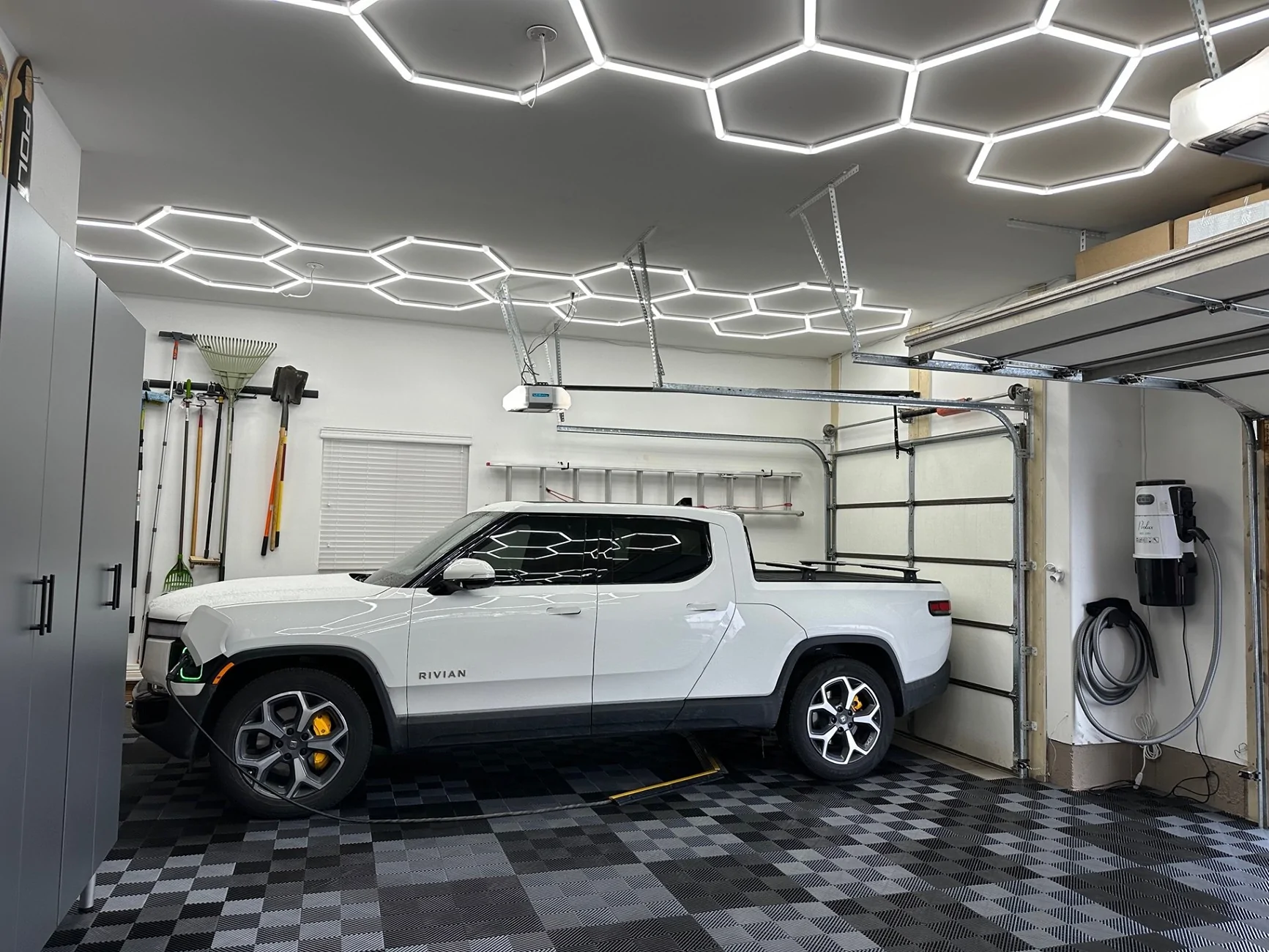
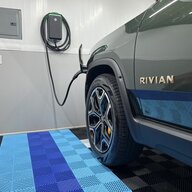
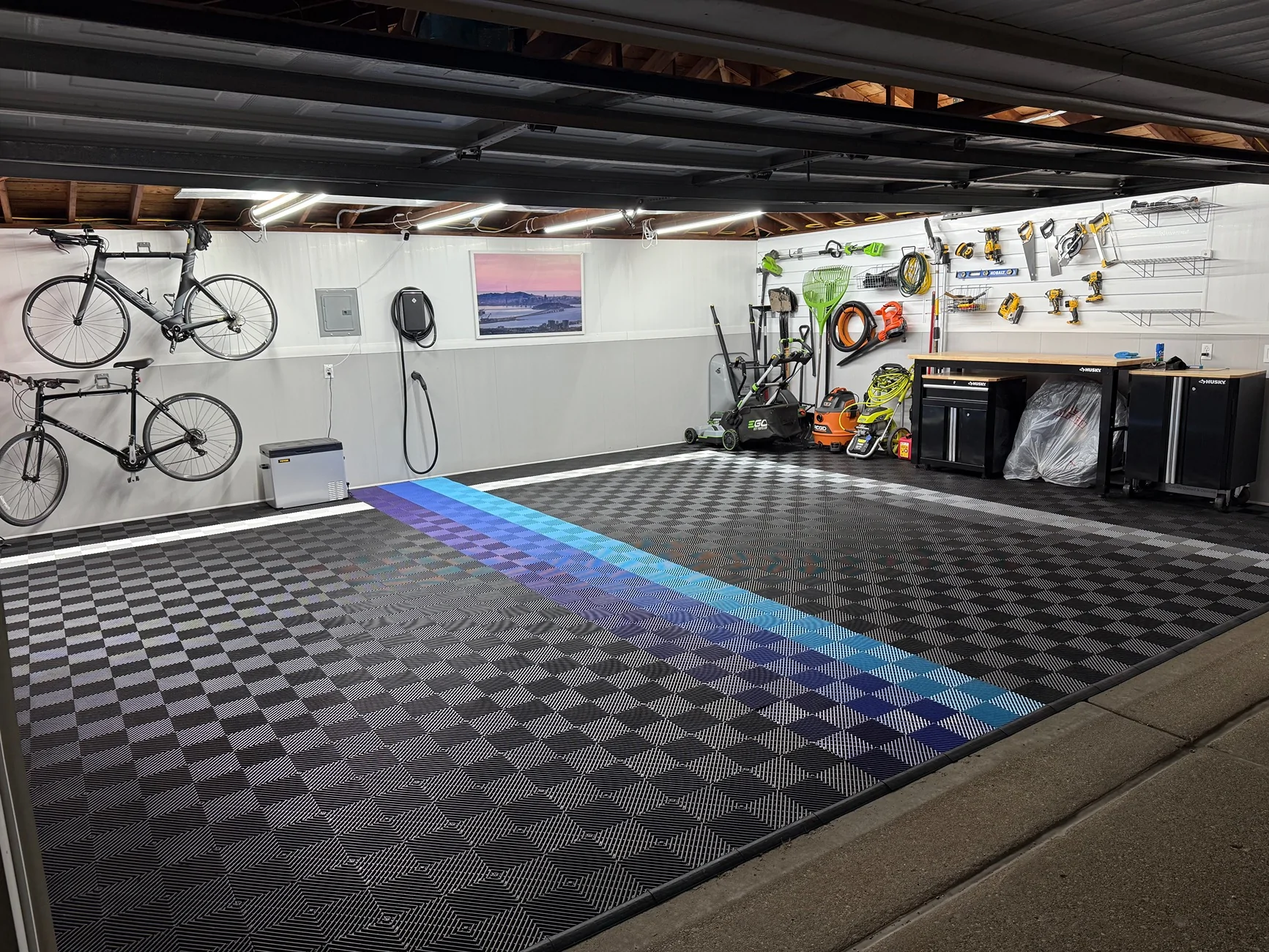
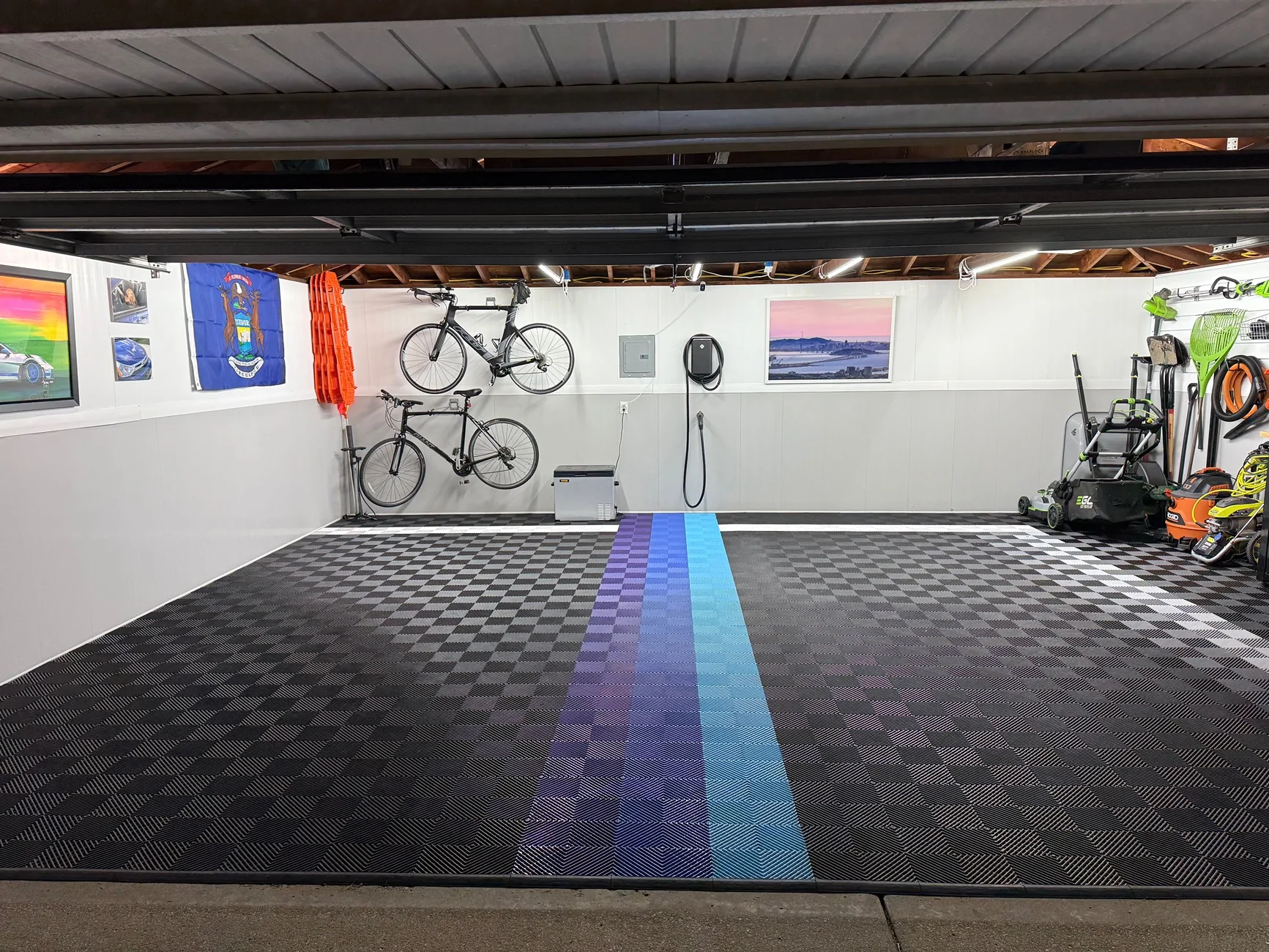
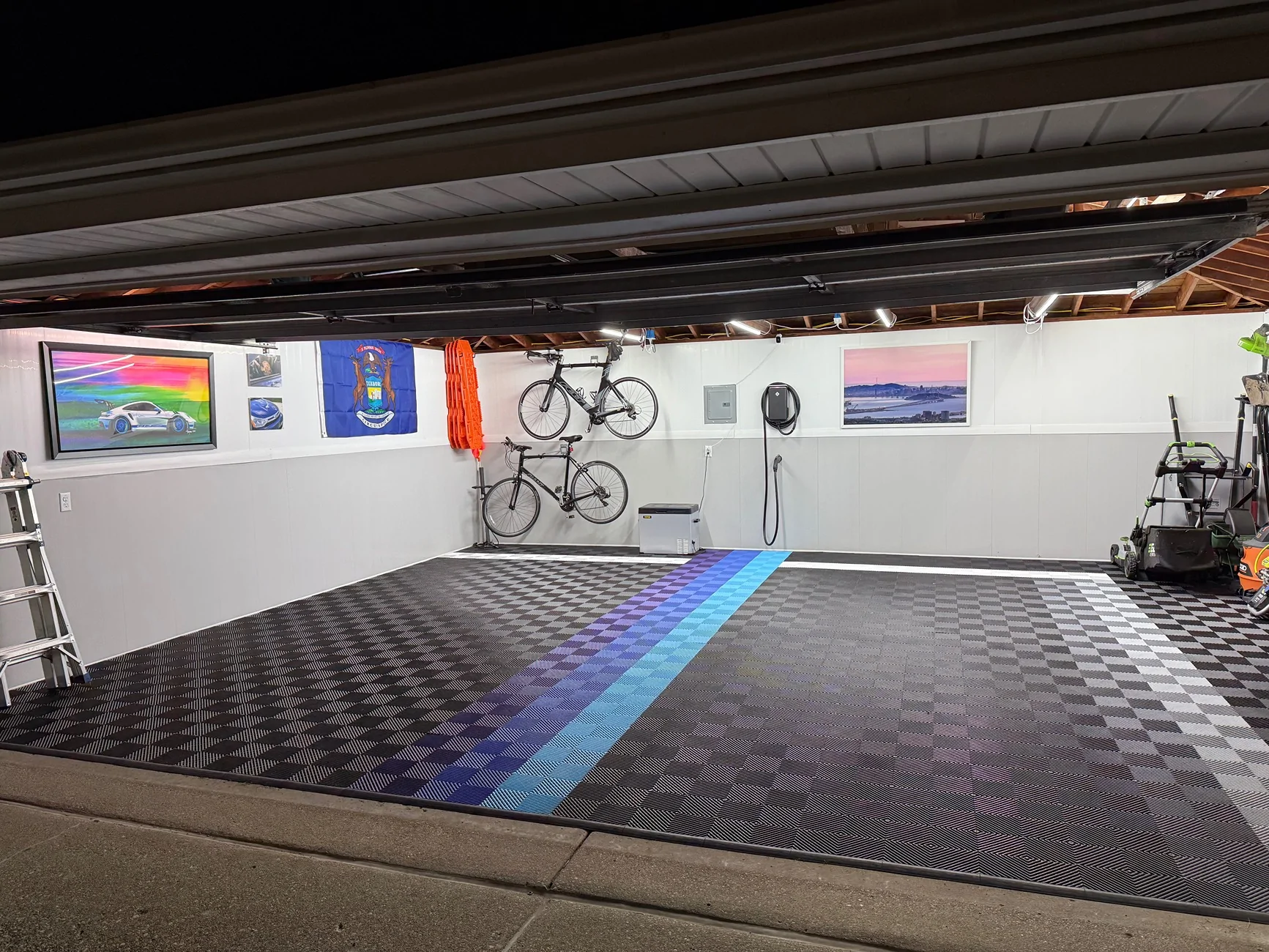
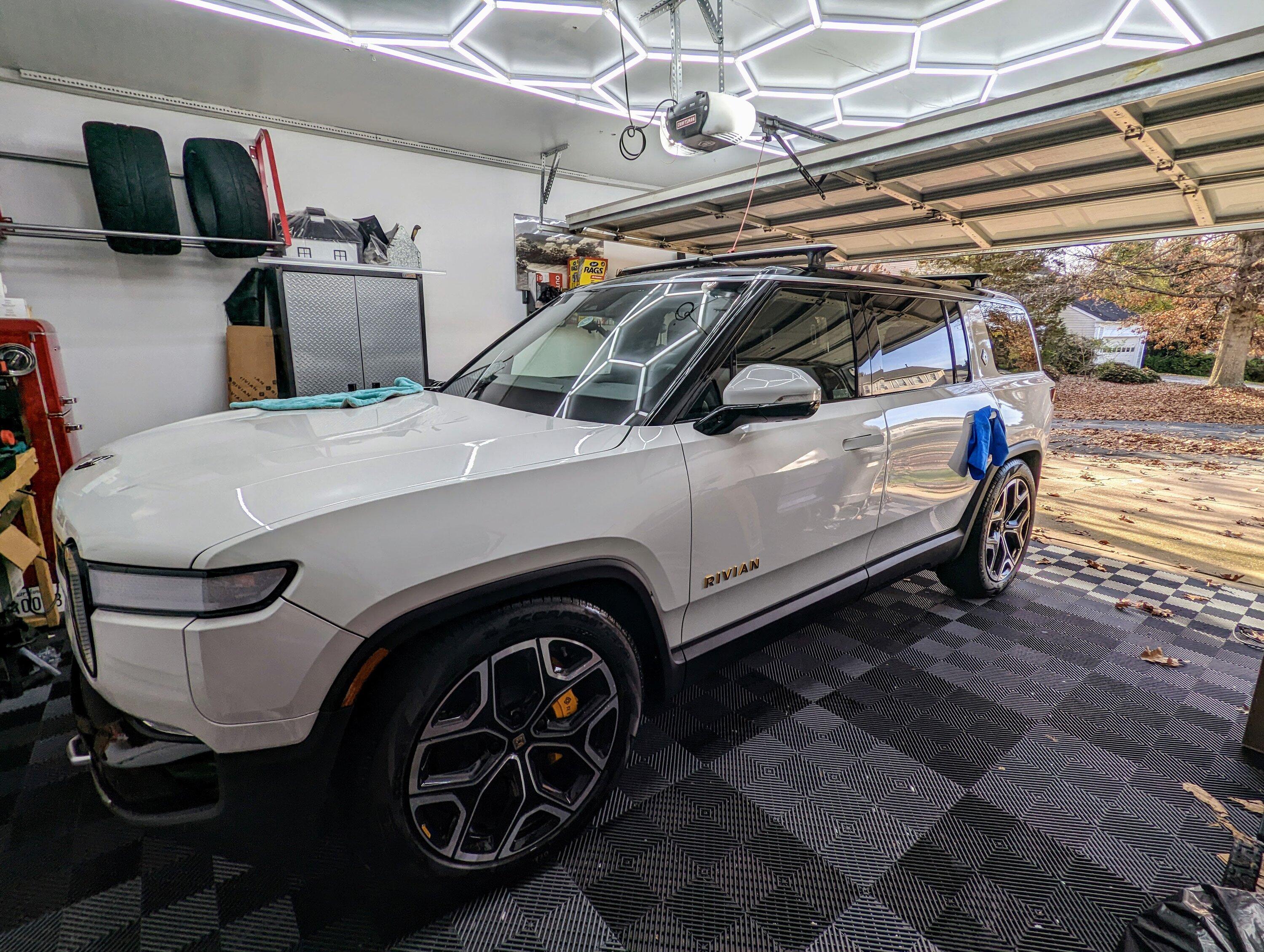
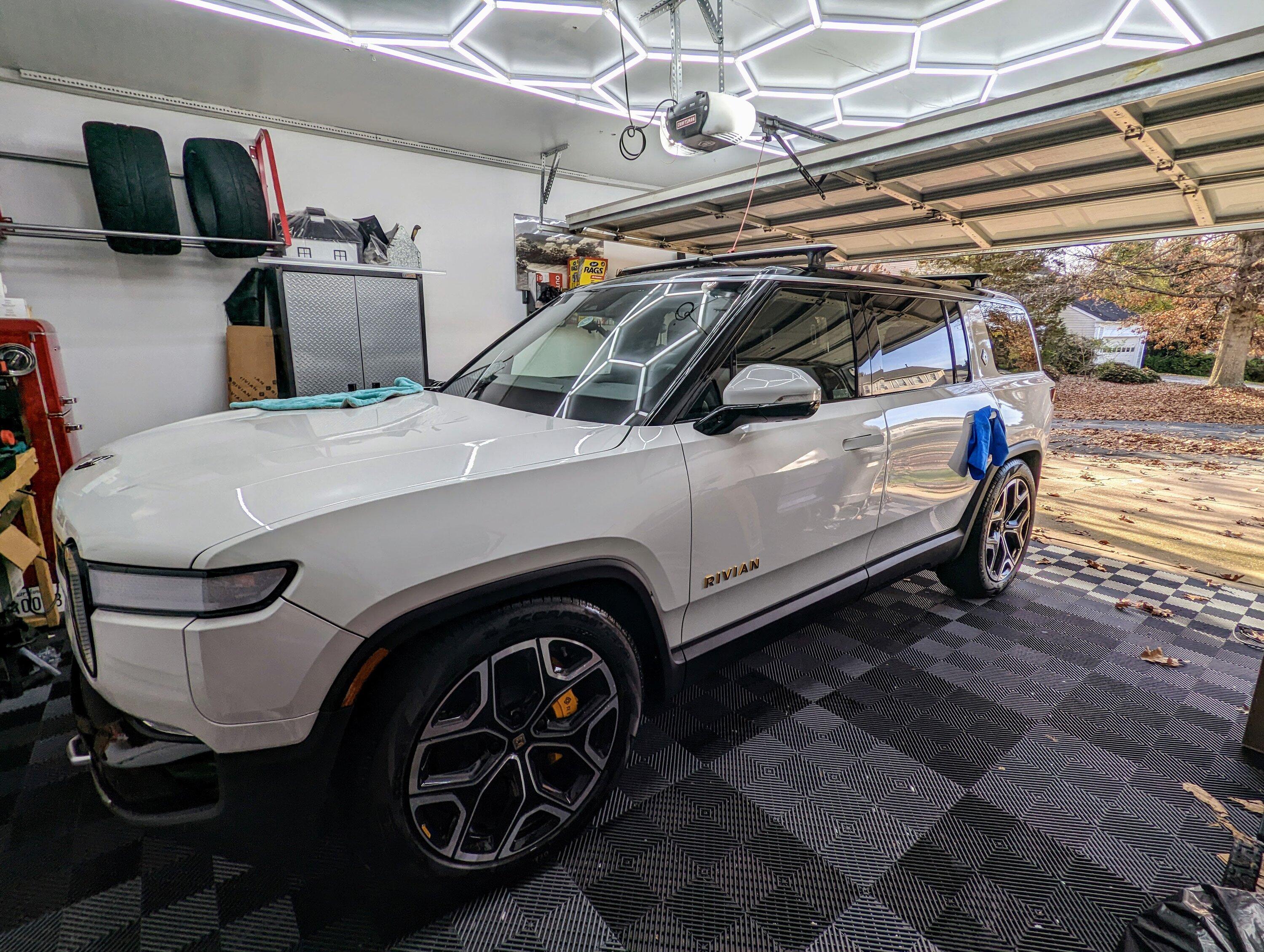
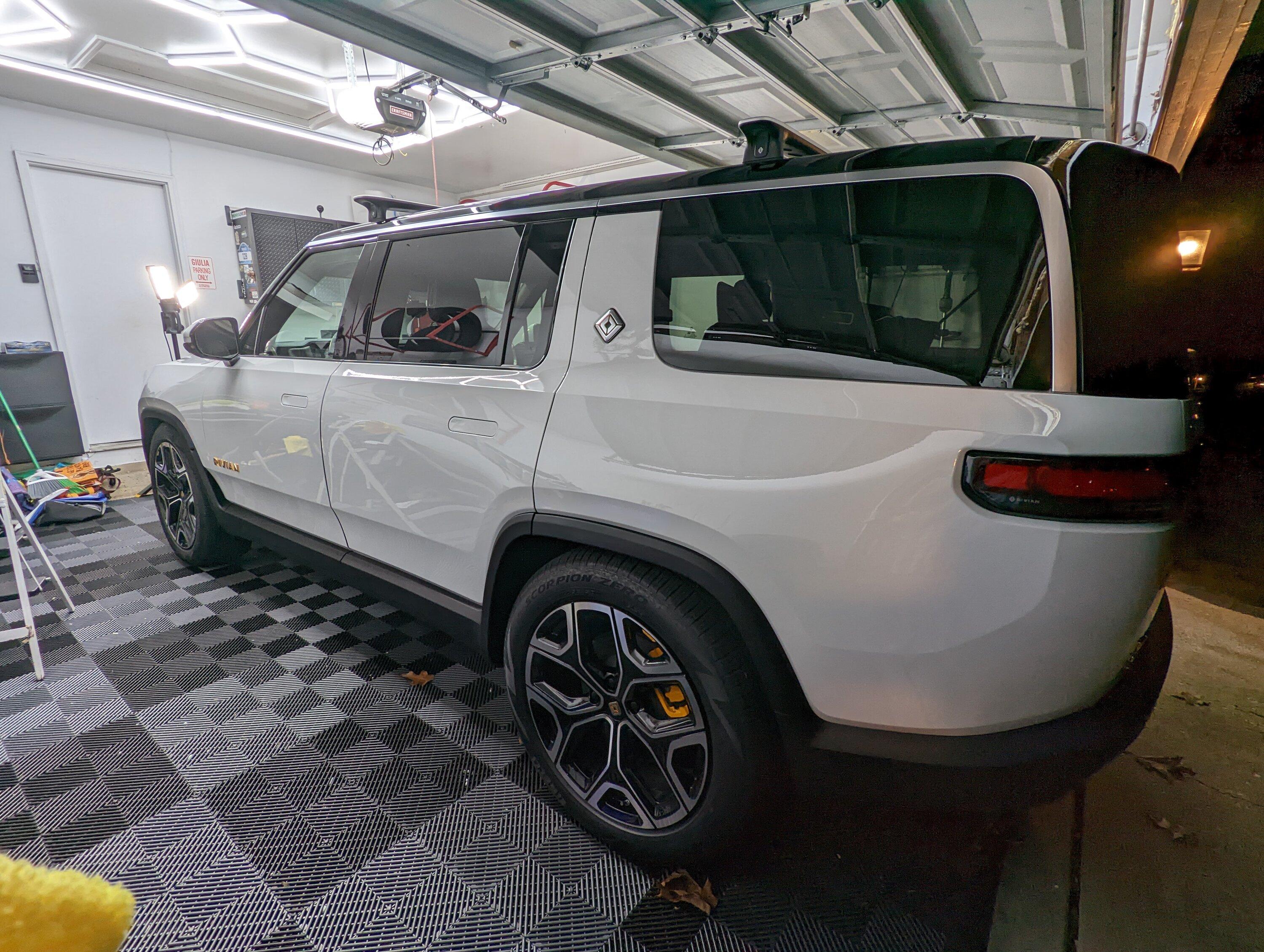
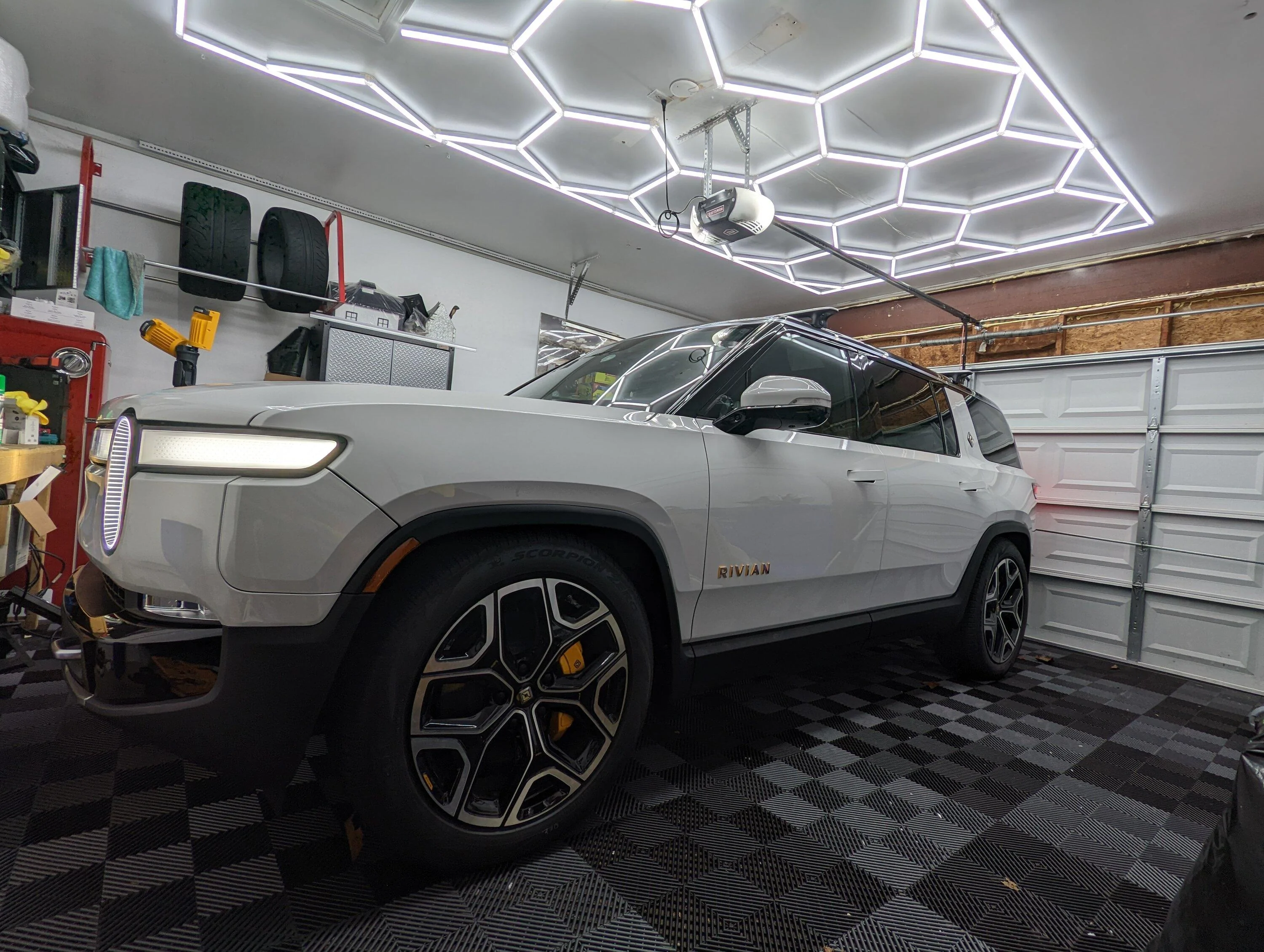
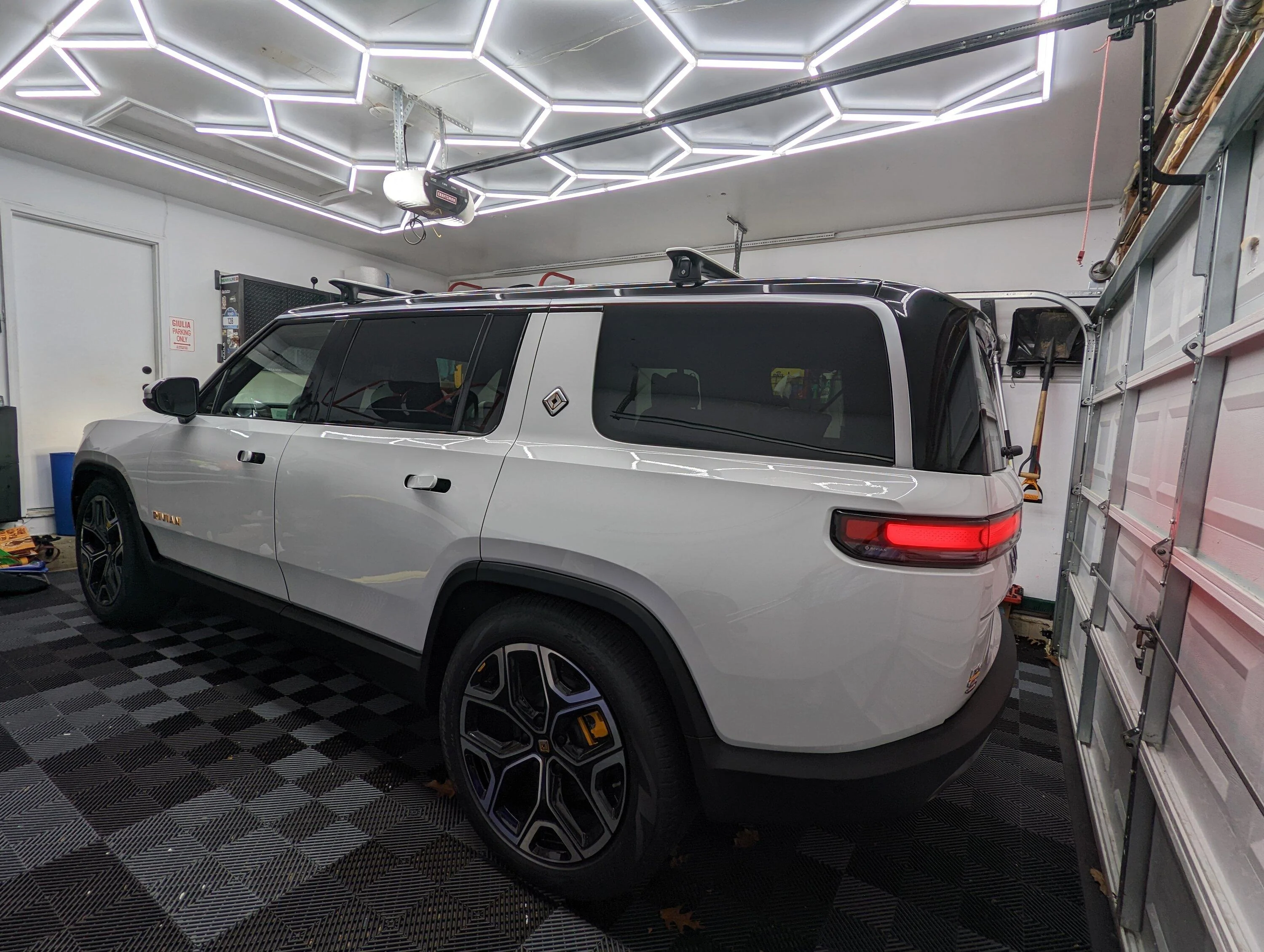
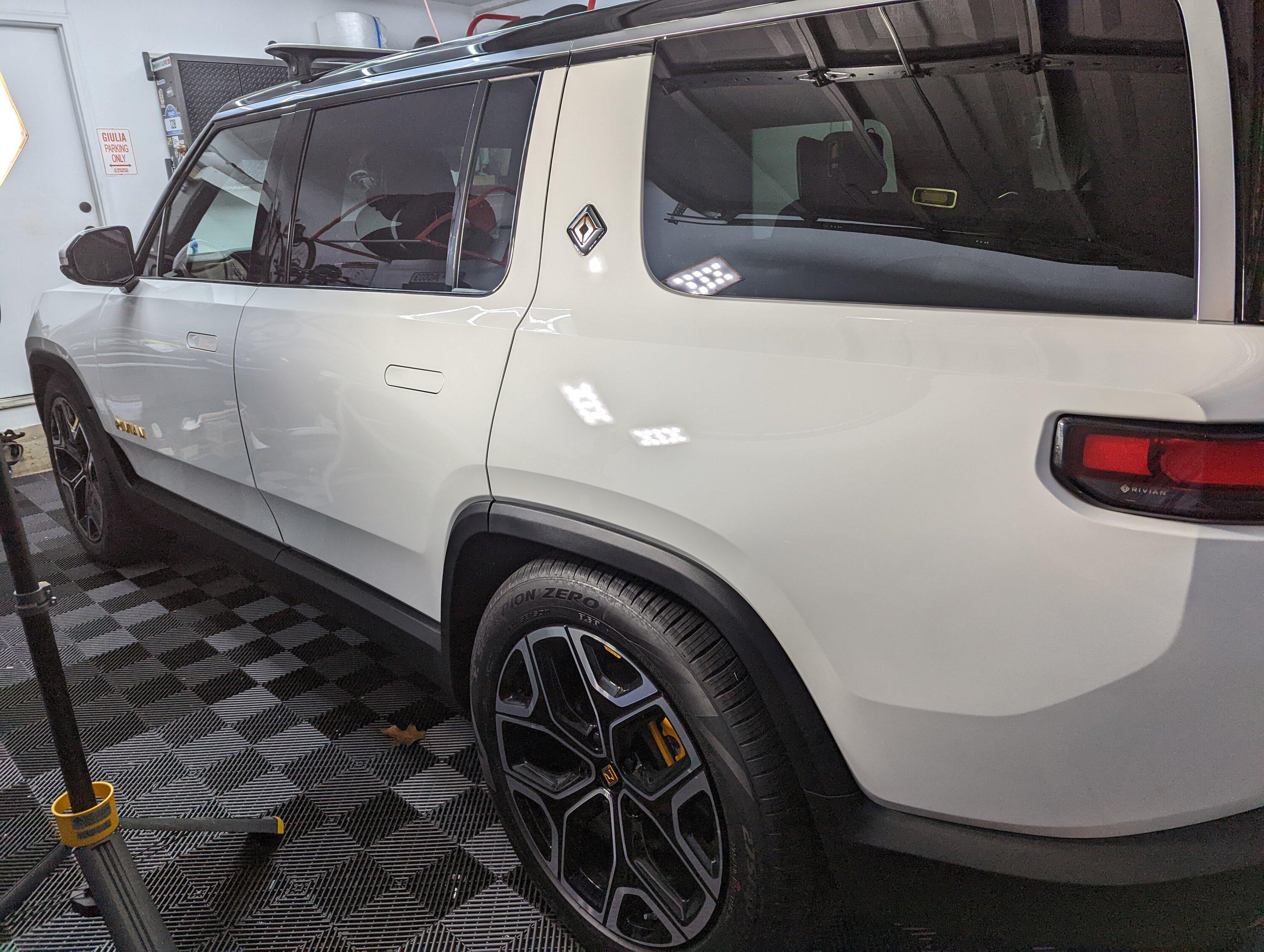
We have had the Snaplock Tiles for 3 years now, no issues whatsoever, from hot summers to cold winters in Utah. We had the epoxy but decided we preferred the look of the Snaplock.
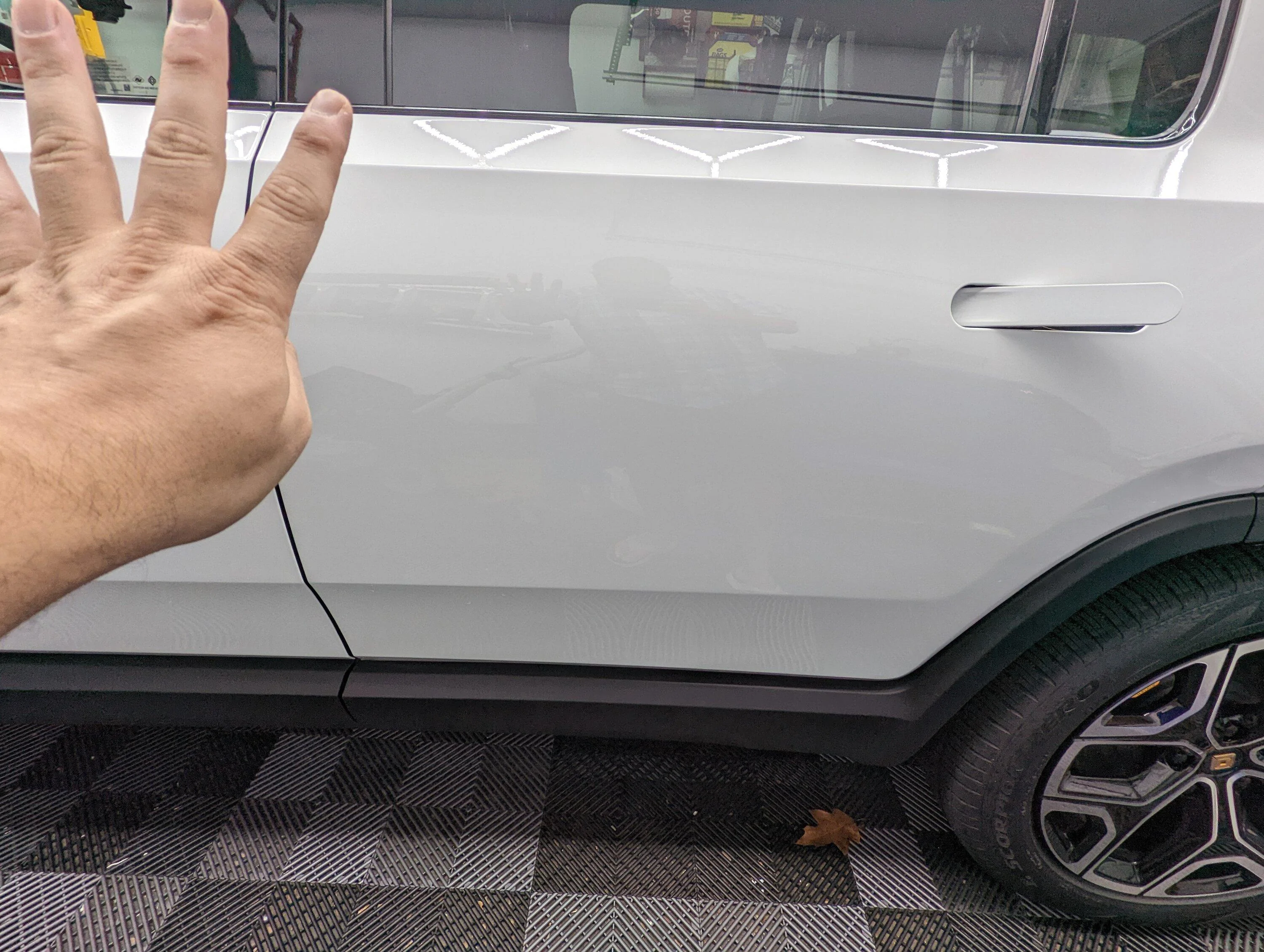
Rivian garage.webp
Am I the only one having garage-envy/inadequacy issue seeing these photos of immaculate, well-organized garages??? 😂
Sponsored


mkhuffman

Well-Known Member
First Name
Mike
Joined
Nov 9, 2020
Threads
14
Messages
2,832
Reaction score
3,192
Location
Virginia
Vehicles
2025 R1T Tri-Max, Jeep GC-L, VW Jetta
Am I the only one having garage-envy/inadequacy issue seeing these photos of immaculate, well-organized garages??? 😂
Yep.

My goal is for my garage to be a room in the house for the cars to park. Right now, it is a garage, and it looks like one.

I am following this thread with interest because maybe this year I will start the process of changing it from a garage into a room.

The tiles worry me because it seems like they are much harder to clean. I don't think I want to remove all the tiles yearly just to clean the floor. I am leaning toward the epoxy, since that can be easily cleaned. My vehicles bring in all kinds of crap, especially in the winter.
 

Yota2R1T

Well-Known Member
First Name
Rich
Joined
Nov 21, 2022
Threads
7
Messages
209
Reaction score
246
Location
Calgary, Canada
Vehicles
Blue 2024 R1T, Large-DM, 21", OC int.
Occupation
Solar PV professional
Clubs
 
I wish my garage wasn't as old as it is... the floor is cracked in a few places so I can't do tiles or epoxy...
Same here - I was going to respond that I went with the ghetto cracked slab look that ants continually undermine in my car-hole!
 

FraserC

Well-Known Member
First Name
Fraser
Joined
Oct 12, 2024
Threads
5
Messages
93
Reaction score
64
Location
Cincinnati, Ohio
Vehicles
Blue Rivian R1T Gen 2, Dual Max
Occupation
Retired
Clubs
 
Here's some load data: Vehicle weight = 7,200 pounds, so 1,800 pounds on each tire. Since the tires are inflated to 48 psi, that gives an area of load of 48 pounds per square inch, which gives a tire contact area of 37.5 square inches. So the pressure on those tiles is significant, but not huge.
Easy way to compare: Vehicle A has 42 psi in it's tires, vehicle B has 48 psi. The pressure vehicle B applies to the garage floor is only 6 psi more than vehicle A. A workbench might have a higher pressure load than your Rivian.
 

Sponsored
CrazyOne

Well-Known Member
Joined
Oct 30, 2021
Threads
3
Messages
1,350
Reaction score
1,142
Location
WA
Vehicles
R1T
Psi is not the only thing that matters. Total weight matters too.
 

ebellinder2

Well-Known Member
First Name
ED
Joined
Dec 14, 2022
Threads
2
Messages
95
Reaction score
111
Location
Missouri
Vehicles
R1T, Model Y
Occupation
Retired electrician
I have been parking my R1T on my interlocking garage tiles for almost 4 years now. The tiles directly under the wheels show wear and are a bit stained but are still usable. Something I have learned is if you want to rotate tires in the garage when you lift and lower each side of the vehicle due to the suspension design it will grab and stretch the tiles and unhook them from each other, so now tire changes are an outside task
 

FraserC

Well-Known Member
First Name
Fraser
Joined
Oct 12, 2024
Threads
5
Messages
93
Reaction score
64
Location
Cincinnati, Ohio
Vehicles
Blue Rivian R1T Gen 2, Dual Max
Occupation
Retired
Clubs
 
Psi is not the only thing that matters. Total weight matters too.
This is wrong in this context, because weight distribution is precisely what matters in it's effect on specific materials placed between the vehicle and garage floor. The floor material needs to support 48 psi, the more or less flexible tile needs to support that precise same pressure. If you still disagree, then please elaborate!
 

1stPlace

Well-Known Member
Joined
Oct 9, 2023
Threads
9
Messages
257
Reaction score
462
Location
SE MI
Vehicles
Rivian R1S
Clubs
 
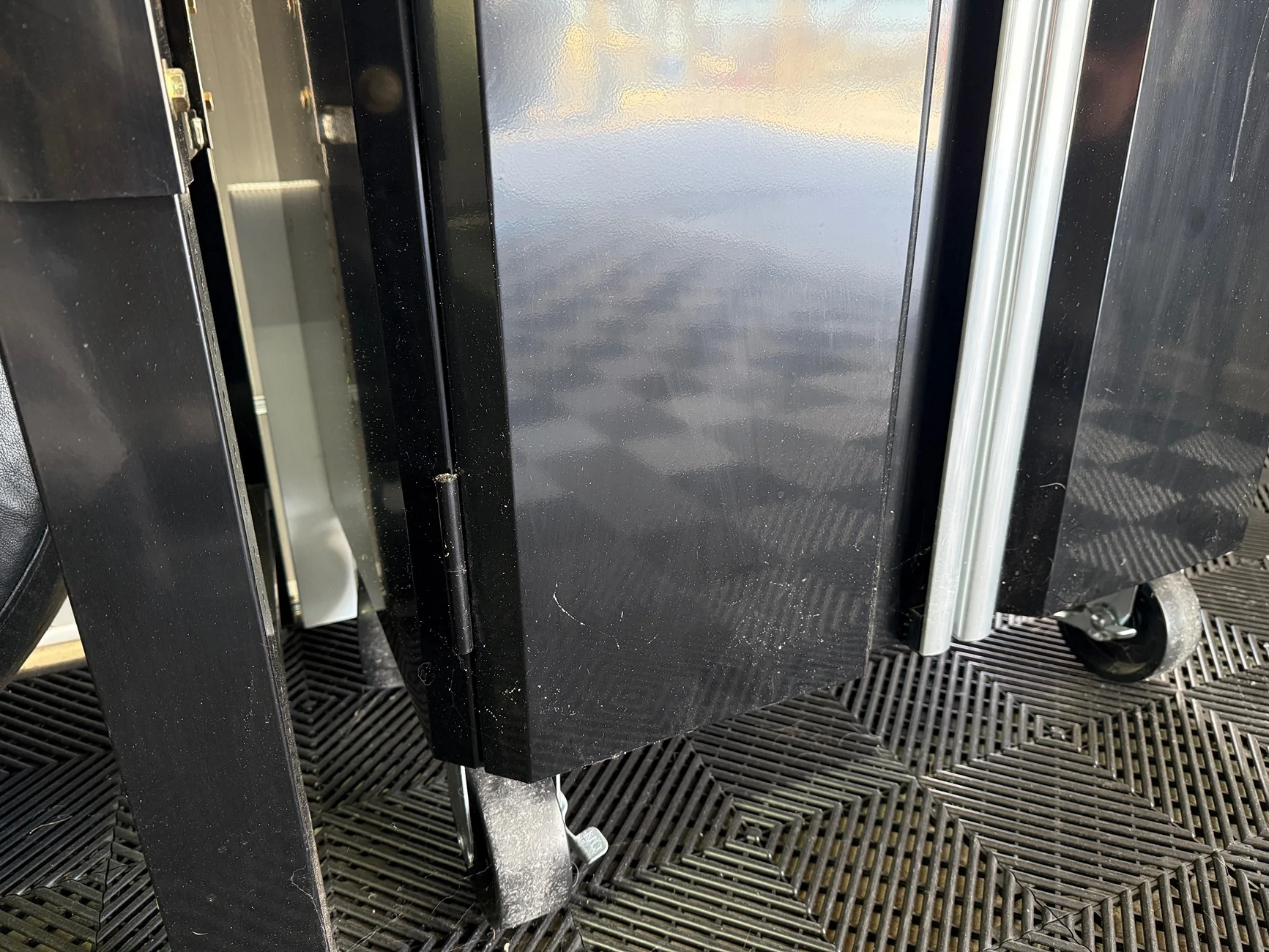
I was looking at the tiles that allow water and dirt to fall through, but was wondering how well tool chests and other smaller wheeled cabinets and things would roll across them. Not sure how big the gaps and ridges are on those types of tiles.
Rivian R1T R1S Anyone using garage tiles under their heavy Rivian? wheels


About a half inch center to center on the ribs, so most wheels should roll smooth.


Am I the only one having garage-envy/inadequacy issue seeing these photos of immaculate, well-organized garages??? 😂
Rivian R1T R1S Anyone using garage tiles under their heavy Rivian? right sid
Rivian R1T R1S Anyone using garage tiles under their heavy Rivian? center
Rivian R1T R1S Anyone using garage tiles under their heavy Rivian? left sid


I've since changed some things, but this was last Winter.
 

CrazyOne

Well-Known Member
Joined
Oct 30, 2021
Threads
3
Messages
1,350
Reaction score
1,142
Location
WA
Vehicles
R1T
This is wrong in this context, because weight distribution is precisely what matters in it's effect on specific materials placed between the vehicle and garage floor. The floor material needs to support 48 psi, the more or less flexible tile needs to support that precise same pressure. If you still disagree, then please elaborate!
Tiles usually crack because the support underneath isn't perfect. Idk about construction techniques for garage, and if something can be done to make them perfectly supported by cement?

When support isn't perfect, the tile will hold a certain weight before cracking. Extreme, example below. I don't think this will crack any tile, but the psi is very high.

To get PSI (pounds per square inch), the key thing we need is the contact area of the screwdriver tip. The weight alone isn’t enough — pressure = force ÷ area.
Step 1: Force from 1 kg
1 kg of mass exerts a force due to gravity:
1 kg ≈ 9.8 newtons
9.8 N ≈ 2.2 pounds-force (lbf)
So the force is about 2.2 lbf.
Step 2: Pressure formula
Step 3: Example pressures (typical screwdriver tips)
Here are realistic examples depending on tip size:
Small flathead or Phillips tip
Contact area ≈ 1 mm²
1 mm² = 0.00155 in²
PSI ≈ 2.2 ÷ 0.00155 ≈ 1,420 PSI
Very sharp / worn tip
Contact area ≈ 0.5 mm²
PSI ≈ 2,800 PSI
Larger flathead tip
Contact area ≈ 3 mm²
PSI ≈ 470 PSI
Big takeaway
Even just 1 kg on a screwdriver tip can produce hundreds to thousands of PSI because the contact area is so small.
 

Sponsored
SadHill

Well-Known Member
First Name
Brian
Joined
May 9, 2024
Threads
26
Messages
301
Reaction score
440
Location
Kinderhook, NY
Vehicles
G1 R1T LE
Occupation
Finance
Going back to the tiles. Does water go under them in the winter and then freeze and push them up? I am worried about mold too because of so much moisture always sitting under them. Anyone have those issues?
 

kanundrum

Well-Known Member
Joined
May 2, 2020
Threads
273
Messages
4,685
Reaction score
13,661
Location
Washington, DC
Vehicles
Giulia QV, R1S (Sept 22 Delivery)
Occupation
IT
Clubs
 
From a few years back, 2 kids later RIP my time


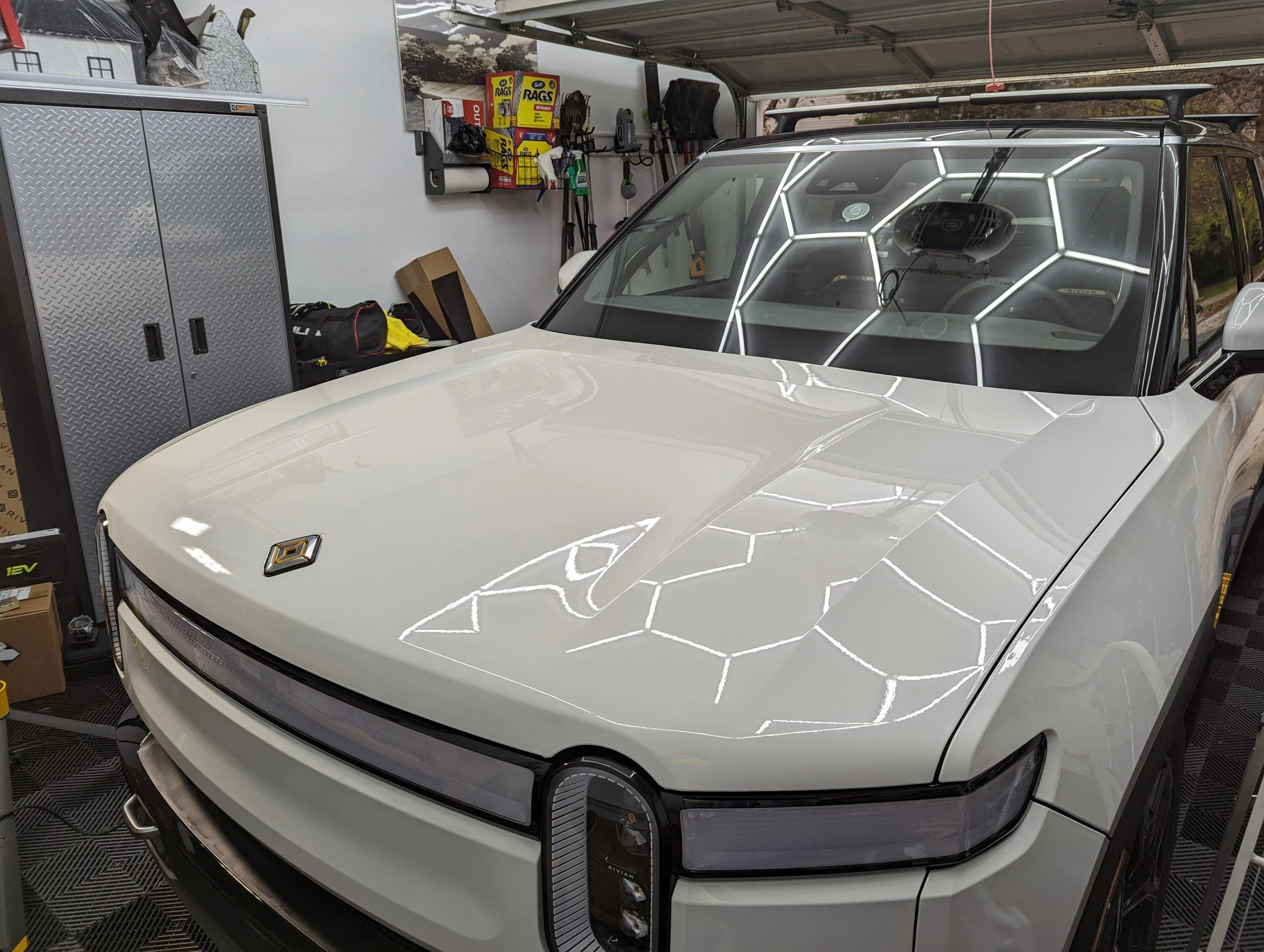
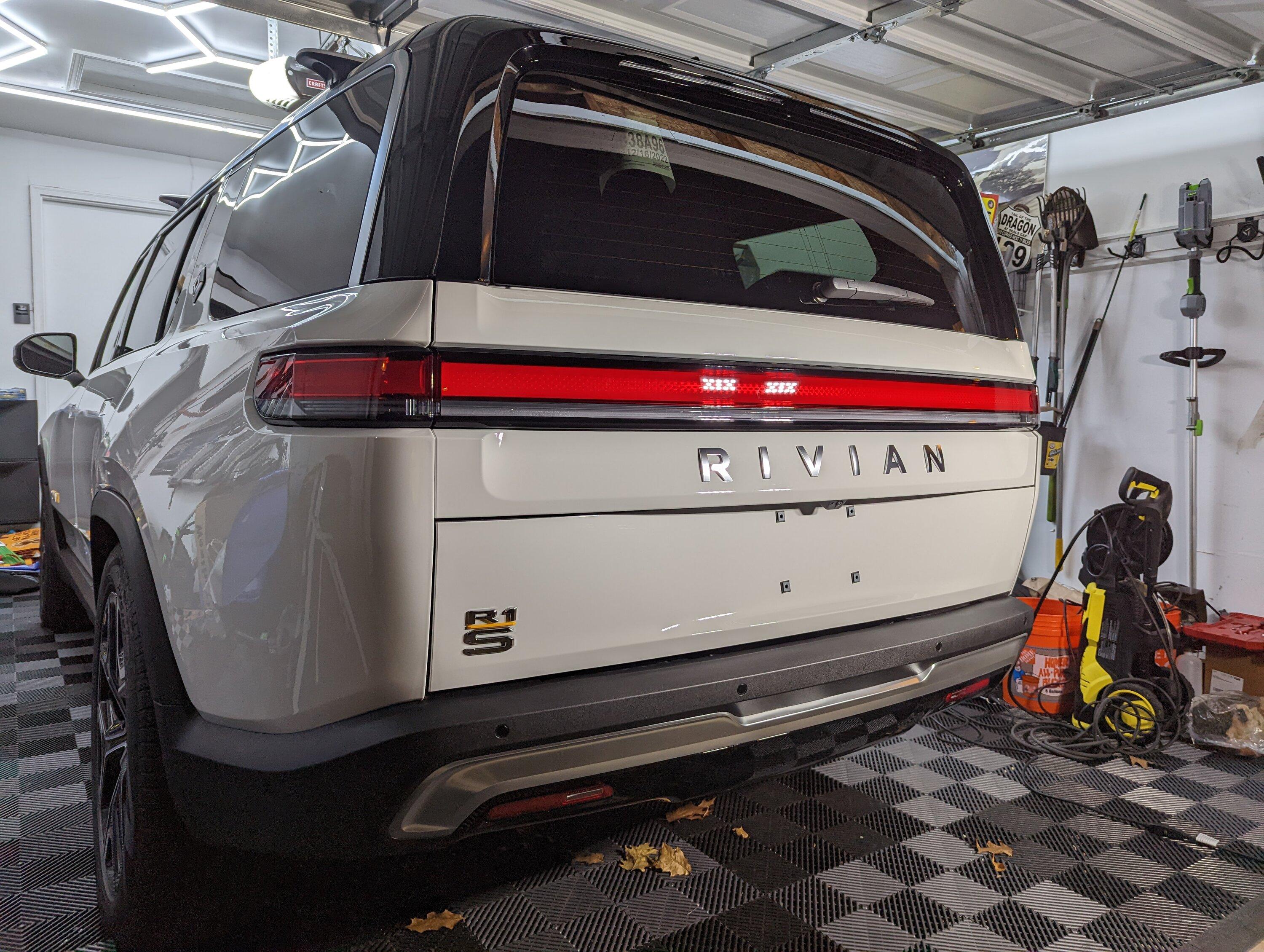
From Early October, forgot to post here.

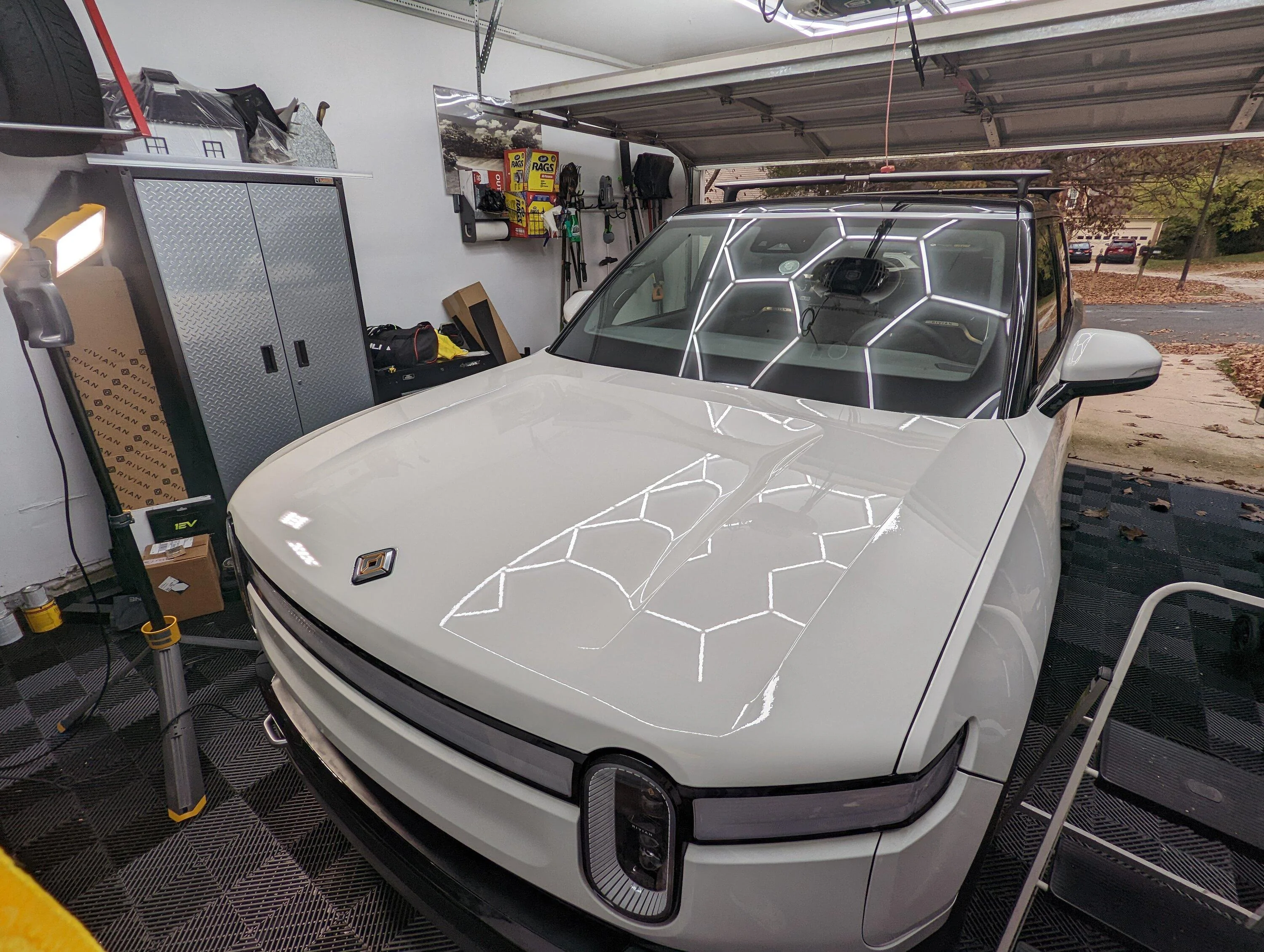
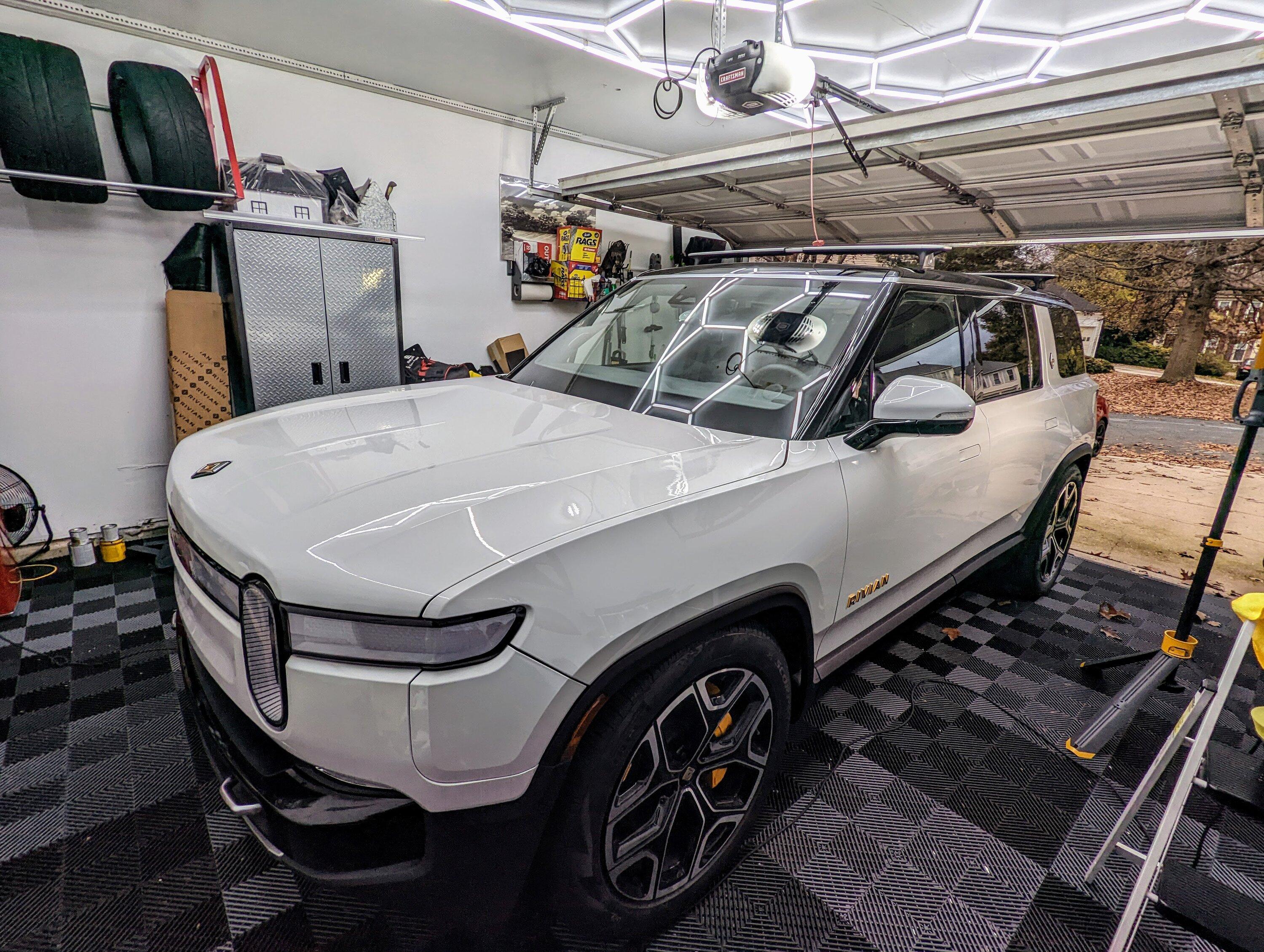
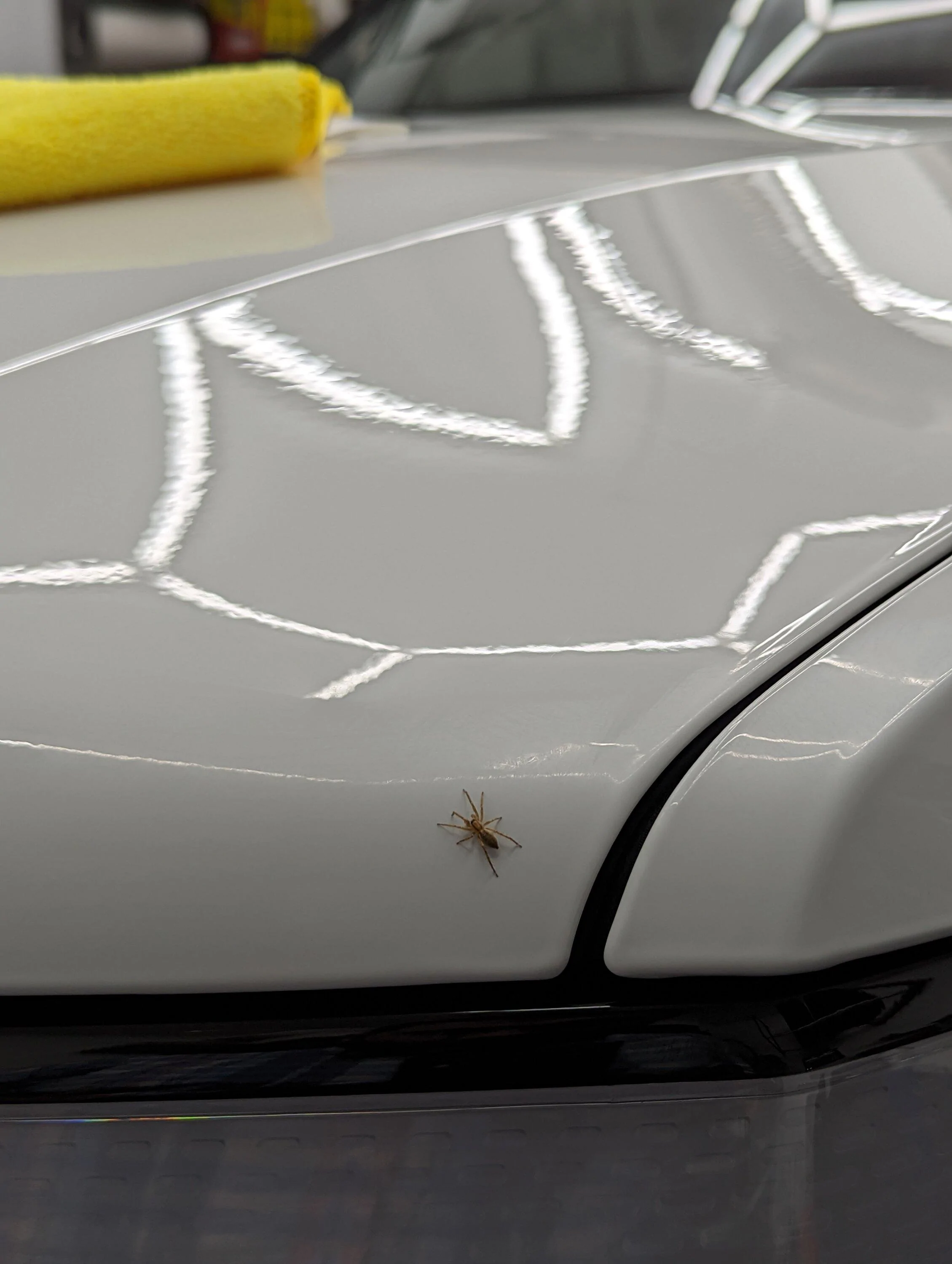
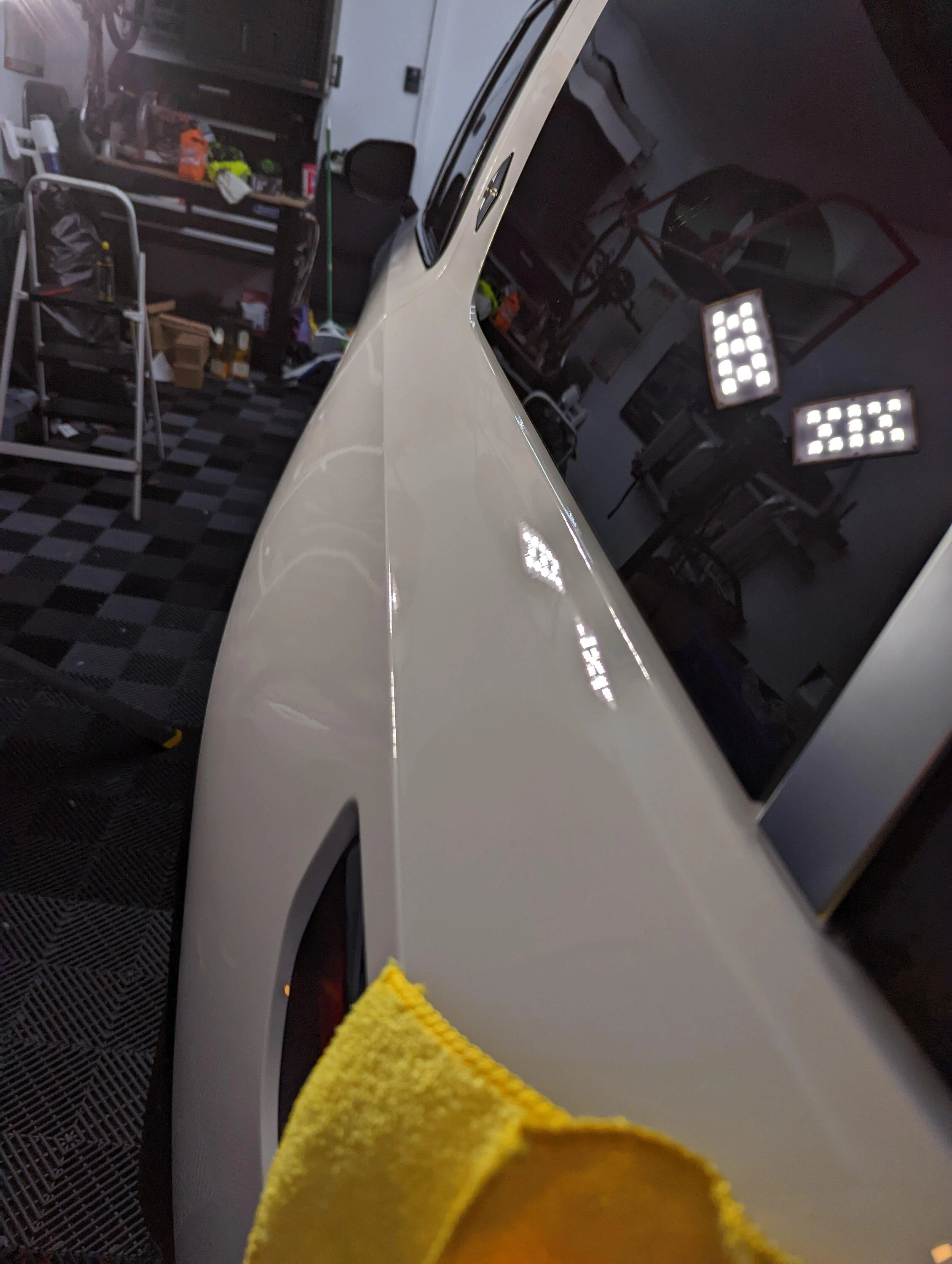
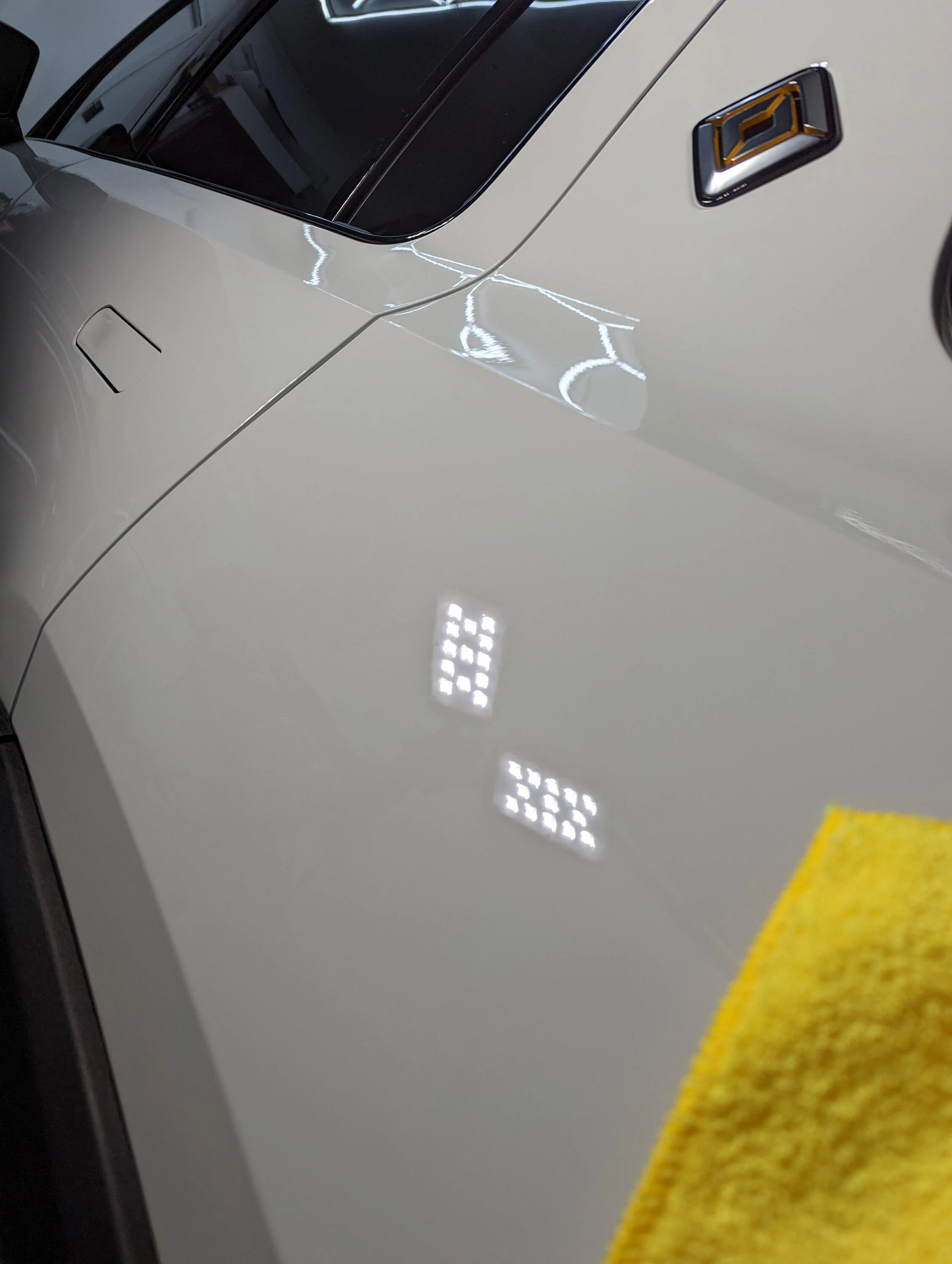
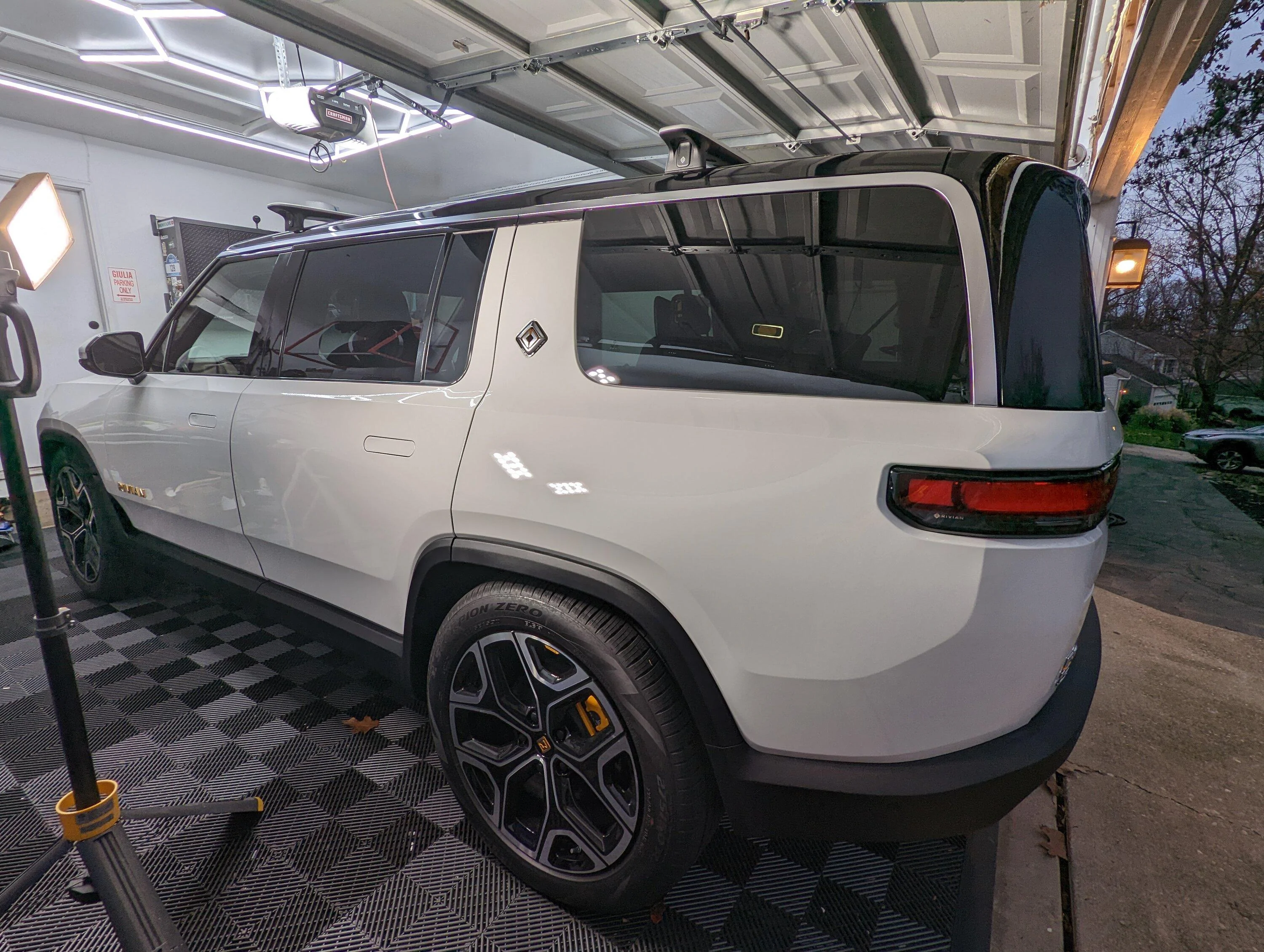
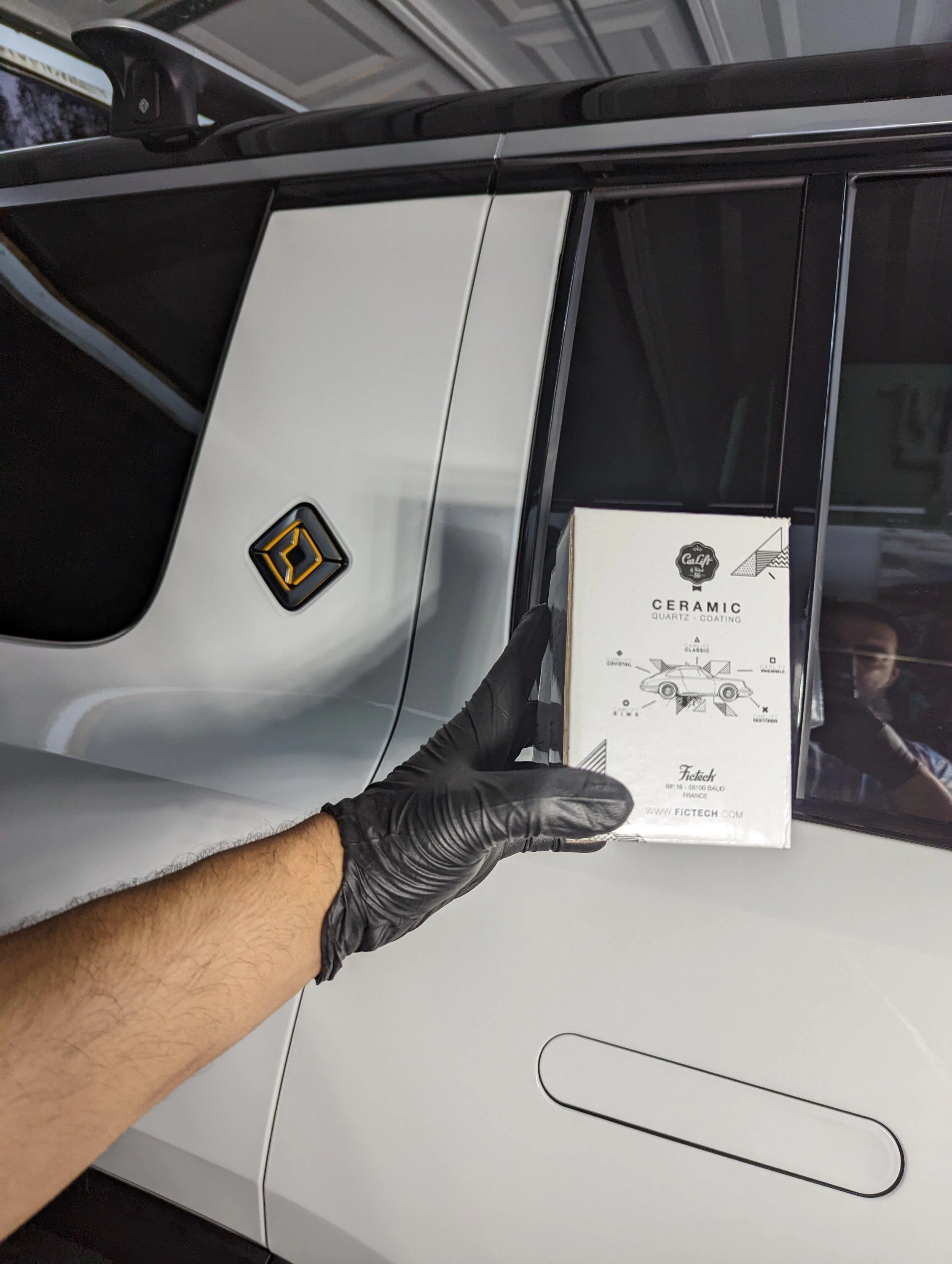
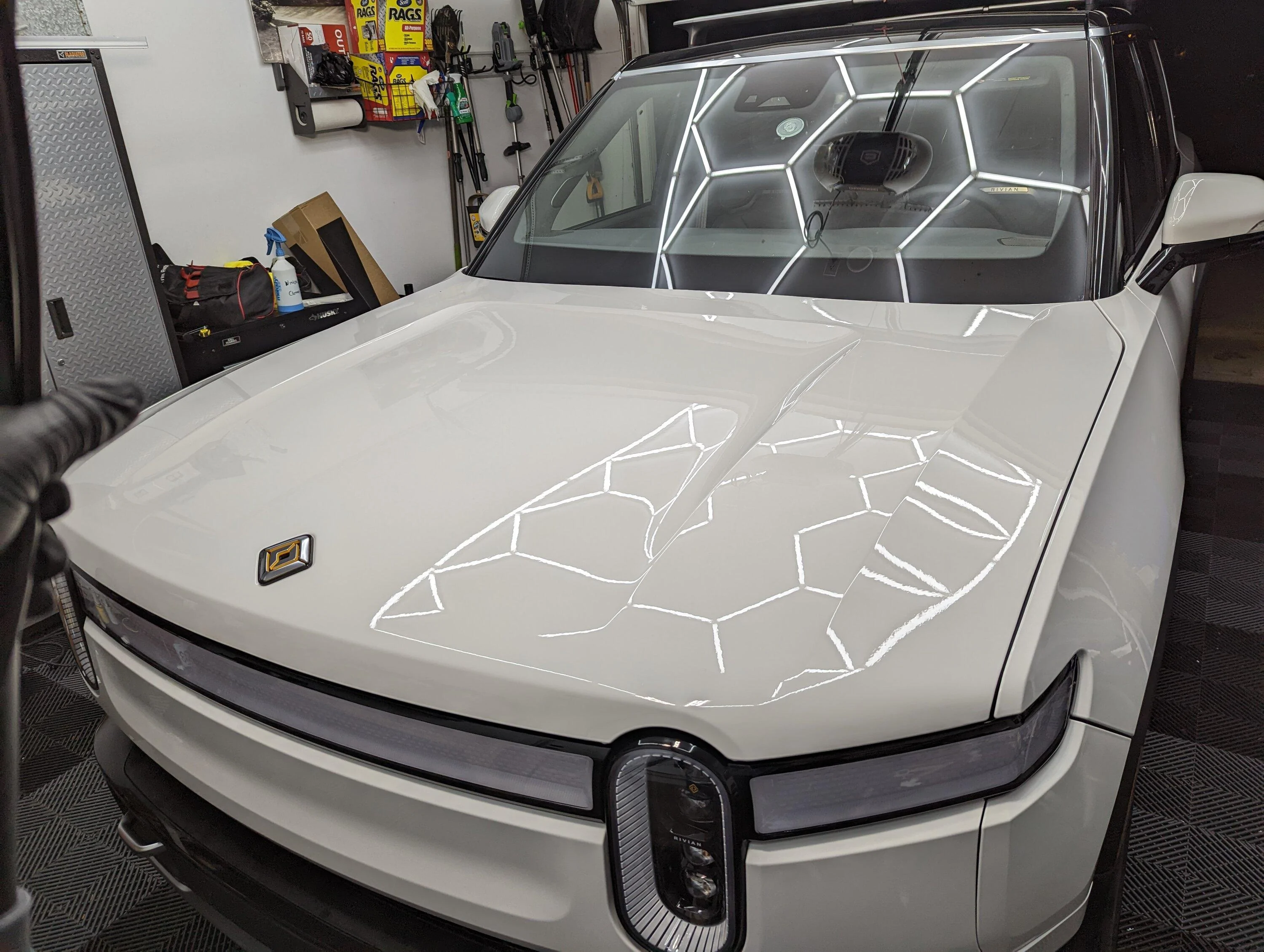
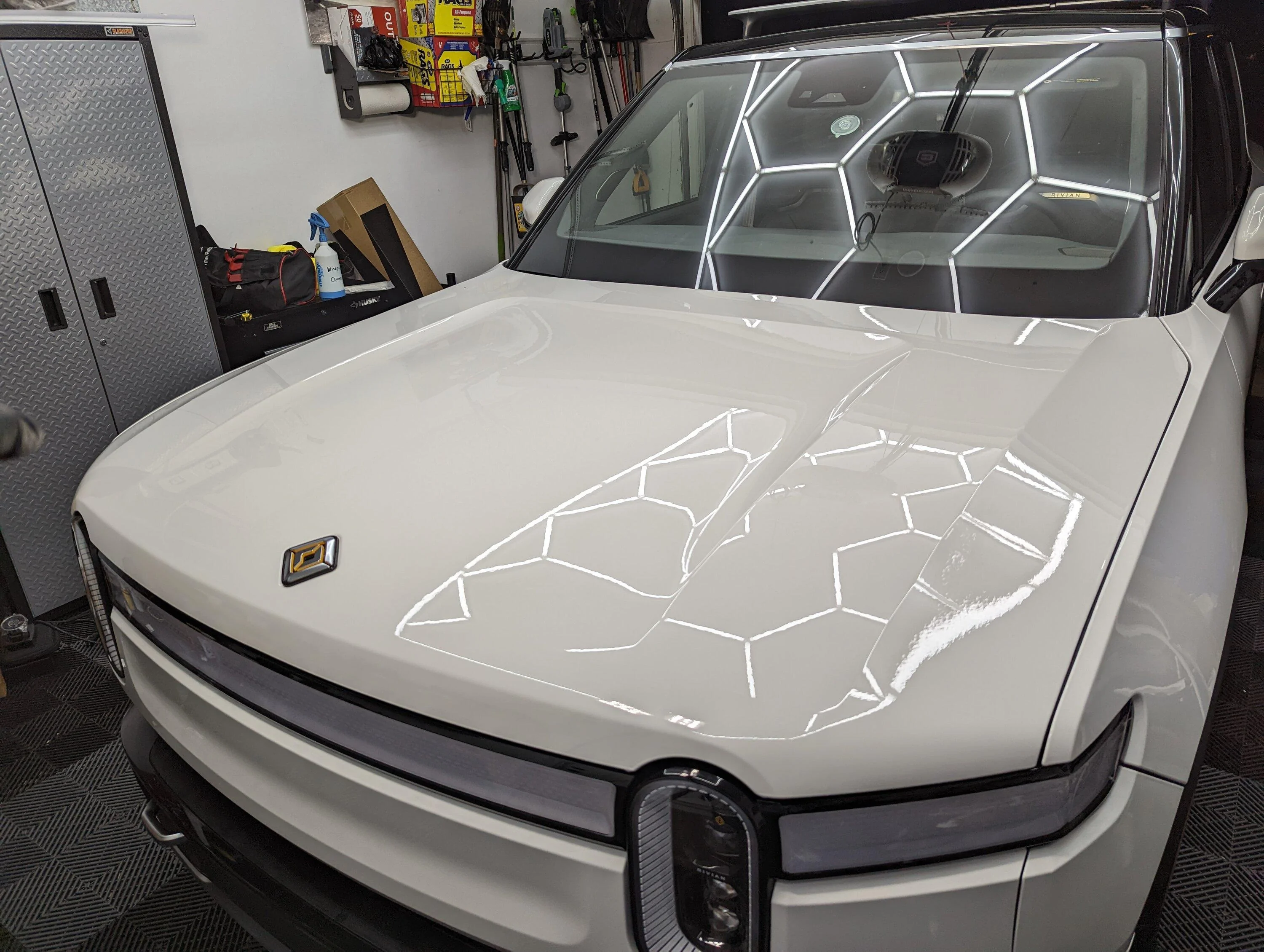
So ended up finally have time to do my own paint correction and Ceramic Application. GW is a interesting beast as its very hard to find/see swirls but also you need a massive amount of light to see imperfections. I counted probably 6 small pieces of contaminants in the clear that would require some wet sanding.

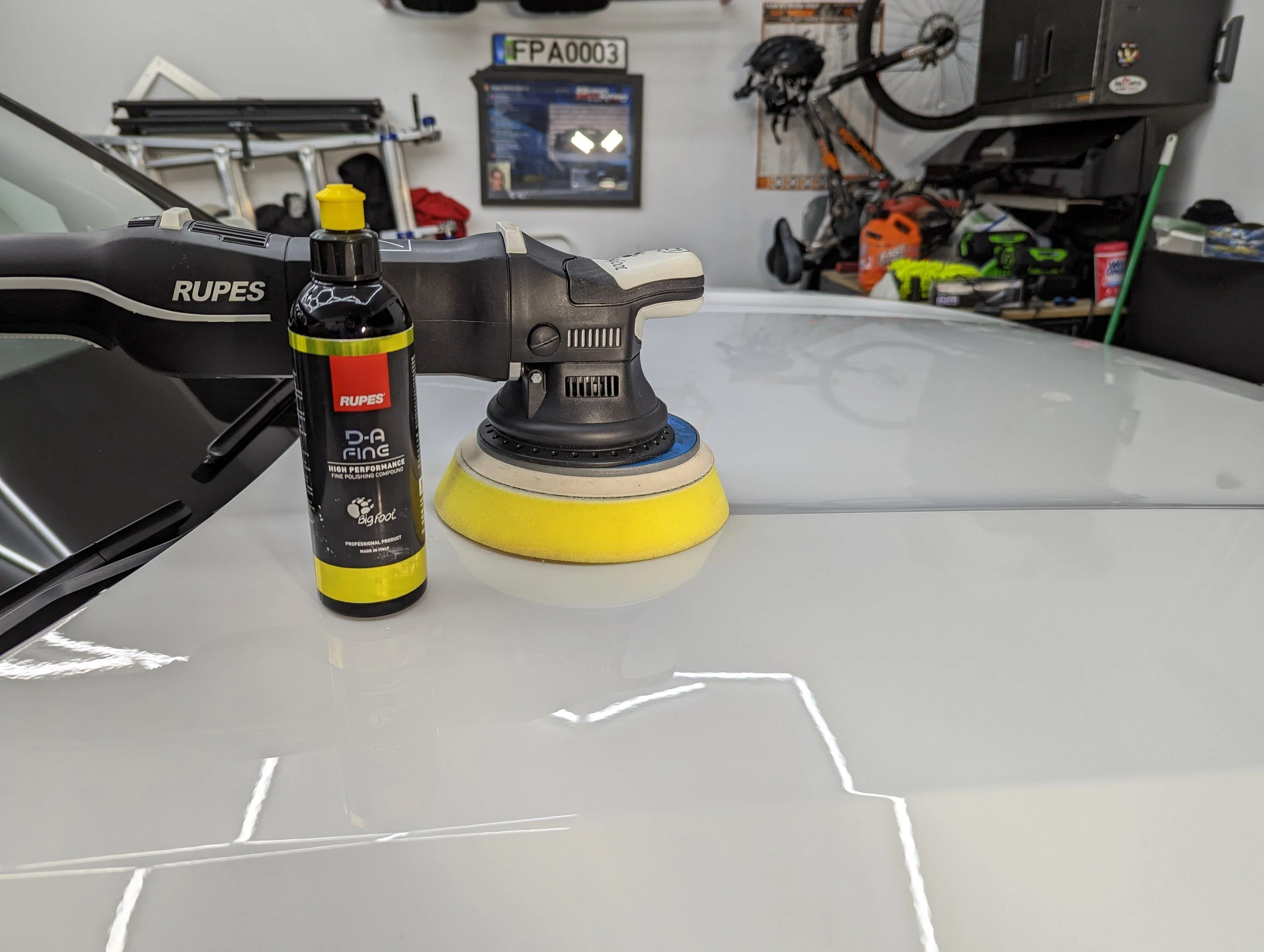
Needless to say while I can do it, I won't be doing it, I just went with a ultra conservative with a fine pad and fine polish and got about 80% of imperfections maybe more but its so hard to tell I doubt anyone can see besides my self with a LOT of light.

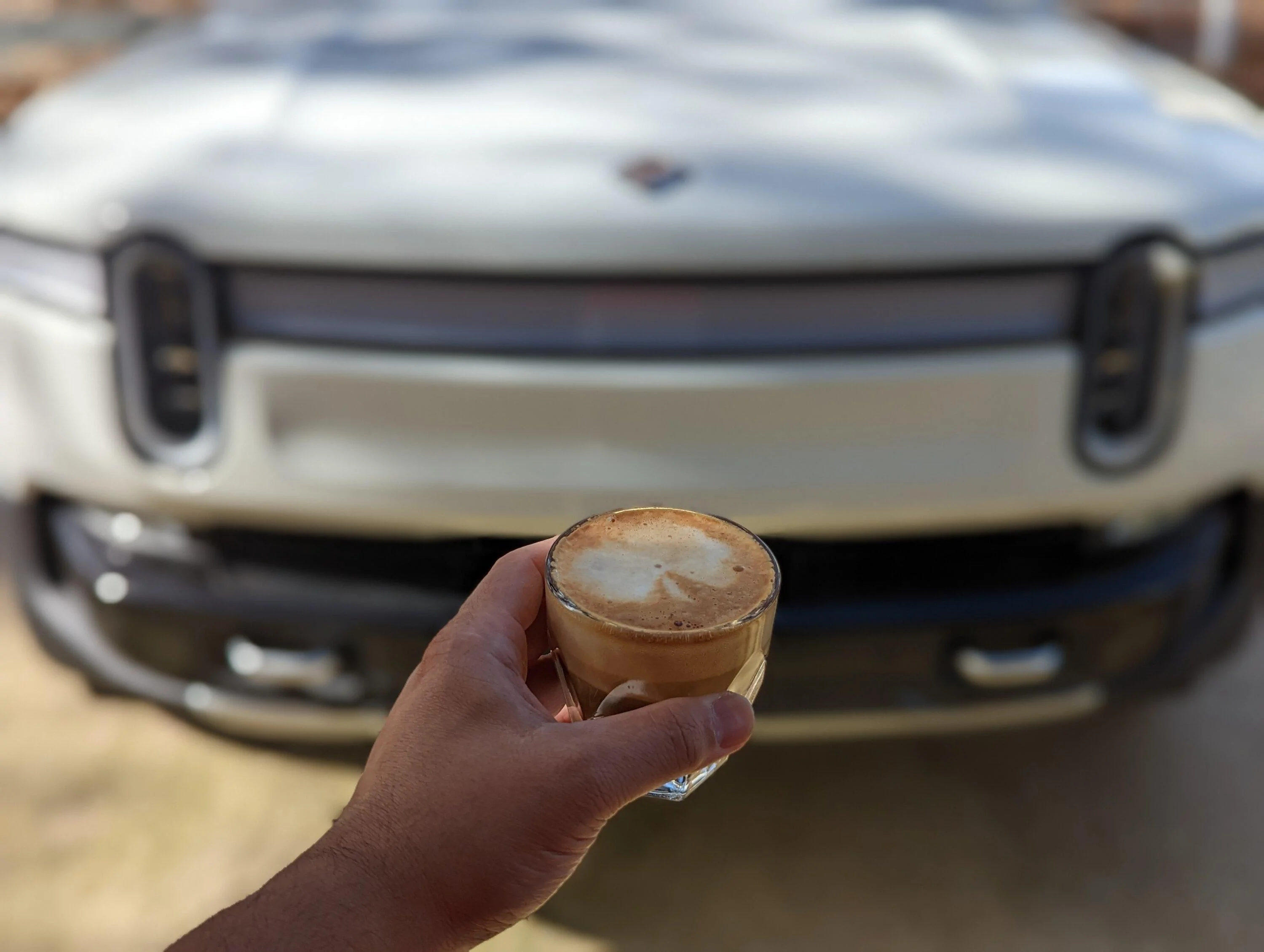
Started off with a proper wash/coffee
PXL_20221104_174357589.PORTRAIT.webp

PXL_20221104_181810098.jpg


PXL_20221104_192003674.PORTRAIT.webp
PXL_20221104_192009793.PORTRAIT.webp
PXL_20221104_192023400.PORTRAIT.webp
PXL_20221104_192032852.PORTRAIT.webp


PXL_20221104_181810098.jpg
original_0bc78bc4-1bd3-4049-8582-7f5d00ce55b8_PXL_20221104_193859158.jpg
PXL_20221104_192032852.PORTRAIT.webp

All washed up
original_0bc78bc4-1bd3-4049-8582-7f5d00ce55b8_PXL_20221104_193859158.jpg
PXL_20221104_191955099.PORTRAIT.webp

Followed in after washing
PXL_20221104_202956751.webp


Getting Setup
PXL_20221106_203920859.webp


Rupes Bigfoot + Fine Polish
PXL_20221106_201410680.webp

First pass at correcting
PXL_20221106_211235787.jpg
PXL_20221106_213223243.jpg
PXL_20221106_223031802.jpg
PXL_20221106_224742450.webp
PXL_20221106_225827656.jpg
PXL_20221106_203916784.webp

Another Friend
PXL_20221106_204132263.webp
PXL_20221106_213402861.webp
PXL_20221106_213414251.webp
PXL_20221106_213428946.webp


Ceramic Time
PXL_20221106_221306660.webp
PXL_20221106_224744487.webp
PXL_20221106_233125852.NIGHT.webp

Reflection Test
PXL_20221106_233152812.webp
PXL_20221106_233206489.NIGHT.webp

All Done!
 

stormbreaker

Well-Known Member
First Name
Ettore
Joined
Sep 13, 2024
Threads
31
Messages
181
Reaction score
206
Location
Connecticut
Vehicles
23 R1T Dual/Large, 94 Z28
Occupation
SE
Racedeck is fantastic. I enjoyed their design tools as well. Excellent product.
 

FraserC

Well-Known Member
First Name
Fraser
Joined
Oct 12, 2024
Threads
5
Messages
93
Reaction score
64
Location
Cincinnati, Ohio
Vehicles
Blue Rivian R1T Gen 2, Dual Max
Occupation
Retired
Clubs
 
Tiles usually crack because the support underneath isn't perfect. Idk about construction techniques for garage, and if something can be done to make them perfectly supported by cement?

When support isn't perfect, the tile will hold a certain weight before cracking. Extreme, example below. I don't think this will crack any tile, but the psi is very high.

To get PSI (pounds per square inch), the key thing we need is the contact area of the screwdriver tip. The weight alone isn’t enough — pressure = force ÷ area.
Step 1: Force from 1 kg
1 kg of mass exerts a force due to gravity:
1 kg ≈ 9.8 newtons
9.8 N ≈ 2.2 pounds-force (lbf)
So the force is about 2.2 lbf.
Step 2: Pressure formula
Step 3: Example pressures (typical screwdriver tips)
Here are realistic examples depending on tip size:
Small flathead or Phillips tip
Contact area ≈ 1 mm²
1 mm² = 0.00155 in²
PSI ≈ 2.2 ÷ 0.00155 ≈ 1,420 PSI
Very sharp / worn tip
Contact area ≈ 0.5 mm²
PSI ≈ 2,800 PSI
Larger flathead tip
Contact area ≈ 3 mm²
PSI ≈ 470 PSI
Big takeaway
Even just 1 kg on a screwdriver tip can produce hundreds to thousands of PSI because the contact area is so small.
Thanks for the physics lesson, as a 46 year aerospace design engineer I know how to calculate stress! That said, who would put rigid tiles directly on a wonky surface and then be surprised that they crack? 😂
The 'total weight' needed clarification, thanks for that. It translated nicely into "don't do dumb stuff and expect it to work".
Sponsored


Top