IPTV65
Well-Known Member
- Joined
- May 19, 2020
- Threads
- 11
- Messages
- 261
- Reaction score
- 391
- Location
- Mount Pleasant SC
- Vehicles
- Jeep JLU Sahara,Jeep JKU, Infiniti G37X, R1S
- Occupation
- Engineering Exec
- Thread starter
- #1
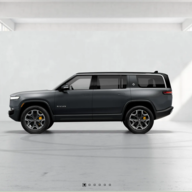
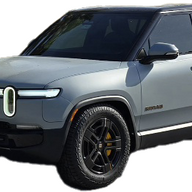
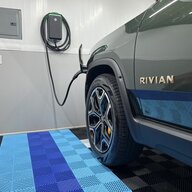
I’m an early Rivian R1S owner(VIN 17XX) so about as “Gen 1” as it gets. Just 12 volt batteries, windshield, tires, and some early fitment issues so far in case anyone is wondering.
One thing Rivian has done exceptionally well is OTA updates. The vehicle I drive today is meaningfully better than when I took delivery, which is still very rare in automotive.
But with Gen 2 now out, something interesting is becoming clear.
Even with strong software execution, there are features and capabilities that Gen 1 vehicles like mine won’t be able to access, not because of prioritization, but because of underlying compute differences.
That feels like the next big challenge for software-defined vehicles:
How do you keep a unified experience across cars that may be 5–10+ years apart in hardware capability?
Historically, automotive has solved this with platform resets. But that seems at odds with the idea of a continuously evolving product.
Curious how others are thinking about this. Especially as vehicles start to incorporate more AI-driven and compute-heavy features.
Feels like this gap between hardware lifecycle and software expectations is only going to get more visible over time.
One thing Rivian has done exceptionally well is OTA updates. The vehicle I drive today is meaningfully better than when I took delivery, which is still very rare in automotive.
But with Gen 2 now out, something interesting is becoming clear.
Even with strong software execution, there are features and capabilities that Gen 1 vehicles like mine won’t be able to access, not because of prioritization, but because of underlying compute differences.
That feels like the next big challenge for software-defined vehicles:
How do you keep a unified experience across cars that may be 5–10+ years apart in hardware capability?
Historically, automotive has solved this with platform resets. But that seems at odds with the idea of a continuously evolving product.
Curious how others are thinking about this. Especially as vehicles start to incorporate more AI-driven and compute-heavy features.
Feels like this gap between hardware lifecycle and software expectations is only going to get more visible over time.
Sponsored