Sponsored

Four years, four R1Ts. An adventure and a bitter-sweet cautionary tale.

Husky

Well-Known Member
First Name
Dave
Joined
Dec 8, 2023
Threads
0
Messages
113
Reaction score
139
Location
New Hampshire
Vehicles
Genesis G70, Porsche 997.2, BMW E36 M3 sedan
Occupation
Retired EE
Honestly, company focus is very clear, and a big reason I don't want to stick with the brand. I love the product, but it's abundantly clear that they are more focused on tech than manufacturing. They' started as a "Make a great vehicle" company and are quickly turning into a "Make great tech, and sometimes vehicles" company. Tesla started and remains a tech company that happens to build cars. Rivian is moving the same way.

To be clear, that might not be bad for them as a publicly held company that needs to be profitable. Lots of companies shift focus over time to respond to market conditions/forces. I'm simply stating I'm not sure it aligns with what I'm looking for from my preferred vehicle manufacturer.
Unfortunately, with seemingly everyone (but me) wanting ADAS and self driving, along with everything else, car companies are having to become big tech companies.
Sponsored
 

ndmiller

Well-Known Member
First Name
Noah
Joined
Nov 19, 2023
Threads
15
Messages
1,424
Reaction score
1,803
Location
Atlanta
Vehicles
23 R1T Silver (The AG)
Occupation
Retailler
Clubs
 
All you needed is this line.
  • The paperwork: 41 service visits, ~205 documented days in the shop (my truck's still in it as I post this), ~90 warranty line items, ~$25,300 out of our own pockets even with full warranty coverage.
I would have been out at a fraction of that for any of those trucks, can't believe you stuck with it with multiple failures of fixed issues. If my R1T has a hint of this, I'd carava it the next day, I have a life to live.....
 

2kwik4u

Well-Known Member
First Name
Michael
Joined
Jan 8, 2025
Threads
12
Messages
897
Reaction score
1,142
Location
Western NY State
Vehicles
2024 Rivian R1T ; 2018 Nissan Rogue
Unfortunately, with seemingly everyone (but me) wanting ADAS and self driving, along with everything else, car companies are having to become big tech companies.
Yea, I understand. I just don't like it.
 

Fmc

Well-Known Member
Joined
Sep 23, 2021
Threads
77
Messages
445
Reaction score
558
Location
Louisiana
Vehicles
2010 wrangler, 2023 R1S
I will admit, I have been cautiously optimistic about my gen1 R1S. I have had 3 service visits in 3 years. Steering wheel replaced for a bad sensor, and HVAC (wet floorboard) replaced twice, they also replaced 12v battery twice. RivianCare pricing will determine what I do out of warranty. Crazy that I paid 75k and my trade-in is 60k. This also makes the r2 very tempting. But I am curious about the elusive r2 tri.
 

BanditTA

Well-Known Member
Joined
Jan 18, 2026
Threads
1
Messages
47
Reaction score
48
Location
California
Vehicles
2026 Rivian R1T Tri Max, 2025 BMW I4, 1977 Pontiac Trans Am
All you needed is this line.
  • The paperwork: 41 service visits, ~205 documented days in the shop (my truck's still in it as I post this), ~90 warranty line items, ~$25,300 out of our own pockets even with full warranty coverage.
I would have been out at a fraction of that for any of those trucks, can't believe you stuck with it with multiple failures of fixed issues. If my R1T has a hint of this, I'd carava it the next day, I have a life to live.....
You have way more than enough material to easily win a lemon law case. We successfully lemon law’d our Kia EV6 just after frying its ICCU twice. You’ve been very kind to Rivian and you have an impressive amount of patience.
 

Sponsored
red_1955

New Member
First Name
Roy
Joined
Jul 4, 2026
Threads
0
Messages
1
Reaction score
1
Location
Granite, Md
Vehicles
2022 Ford Maverick 2.5 awd turbo xlt, 2025 Hyundai Ioniq 5
Occupation
Retired
Four years, four R1Ts: a bitter-sweet cautionary tale—especially for anyone considering a used Rivian, or any vehicle from the brand.

Buckle up. I'm aware that this is a very long post, perhaps the longest ever? I'll start with the bulleted tl;dr, for those who want the punchline without all the reading. I did use Claude to help organize and catalogue all of the work orders and help me write some of this post, since this story has become too long for me to accurately recall/recite and I frankly don't have the energy/time to do it all myself.

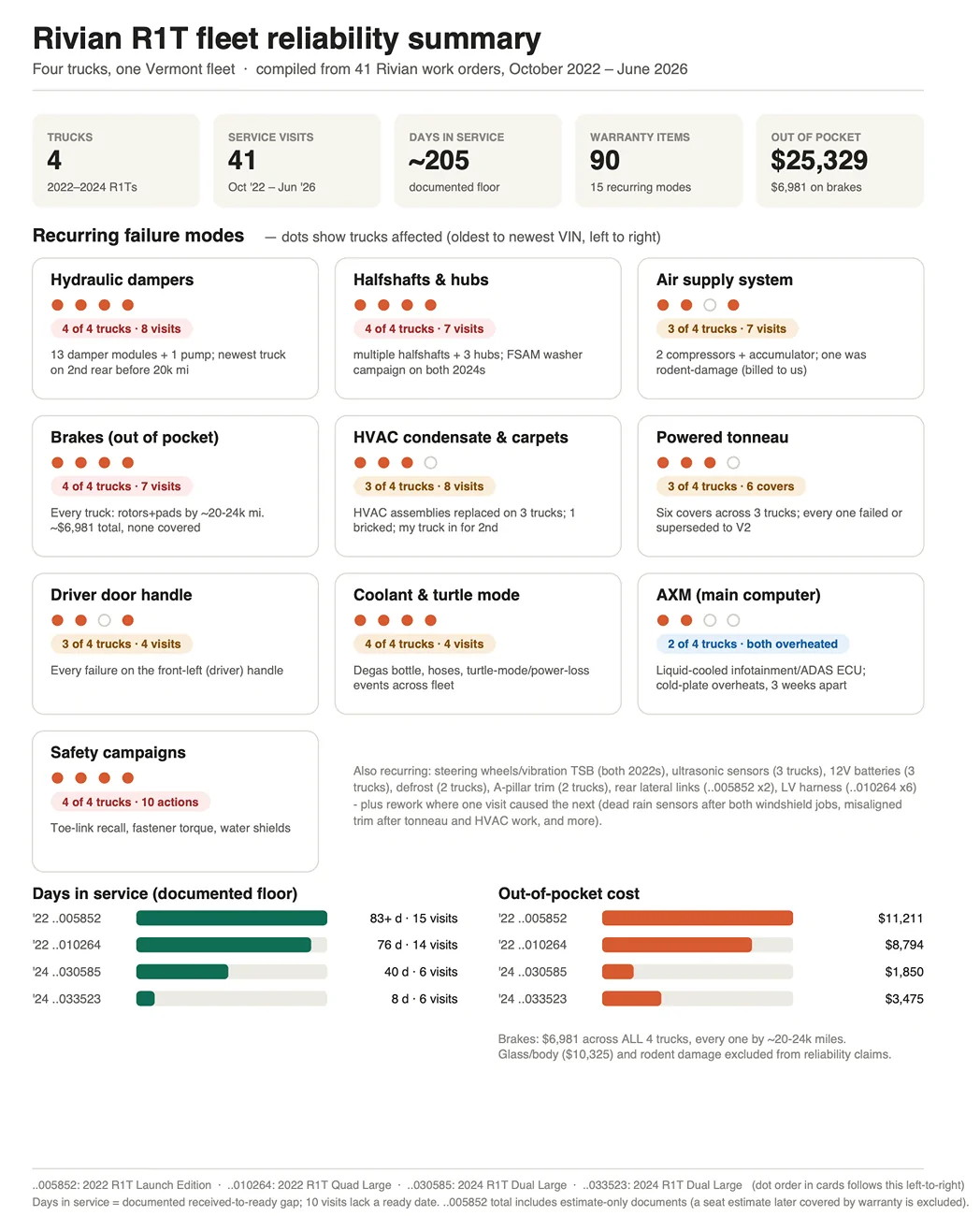
Screenshot 2026-07-07 at 1.26.02 AM.webp

(fullsize PDF linked below)

tl;dr
Four R1Ts, four years, real Vermont conditions, but mostly commuter/personal duty, not work-truck abuse. We genuinely love these trucks; nothing else on the market is a smaller-than-full-size full EV pickup, and the practicality is unmatched. The reliability record is another story:

  • The paperwork: 41 service visits, ~205 documented days in the shop (my truck's still in it as I post this), ~90 warranty line items, ~$25,300 out of our own pockets even with full warranty coverage.
  • The same expensive systems fail on nearly every truck: dampers 4/4, halfshafts 4/4, brakes 4/4 (all by ~20–24k miles, ~$6,981 total, none covered), air supply 3/4, HVAC/wet carpets 3/4. The truck with the most warranty repairs is the one that mostly commutes.
  • Rivian fixed nearly all of it without a fight, which is exactly the problem, because a used buyer won't have that shield. Out of warranty, these repairs run at $230/hr on a truck your local shop can't service.
  • The hidden cost: cumulative days (weeks?) of my life on the phone, through a system with no direct SC line and no consistent point of contact. Outcomes were inconsistent, better when you push hard, worse if you don't.
  • "Alternative transportation" during warranty repairs is officially a revocable courtesy, whatever the warranty guide implies. Read the fine print before you need a loaner.
  • The R2 concern: the service network was "fully booked through November" last August, before a single R2 existed. New buyers will share it with every Gen 1 on this forum.
  • Gen 2 is genuinely better in a lot of ways (hands-free driving, quieter, active high beams), but the suspension and brakes look largely carried over and likely just as failure-prone, and those are the systems that cost the most. No vehicle needs zero service, especially here.
  • If you buy anyway: get the full work-order history, inspect the dampers on a lift, budget for brakes by ~20k, price extended coverage before you buy, and be honest about whether you have the temperament to self-advocate.
  • The bottom line: we won't own these past warranty (though an extended warranty tempts me to keep mine; I love the thing almost as much as I hate it). If you're buying used, the remaining warranty is the most valuable thing on the window sticker. Think long and hard about owning one of these vehicles without warranty coverage. Bitter-sweet is the only honest word for it.

The long and the not-so-short of it all

Some of you may know pieces of this story from my posts over the years (the HVAC/wet carpet PSA, the damper threads, etc.), but with R2 deliveries starting and Gen 1 prices on the used market looking awfully tempting, I figured it was time to put the whole picture in one place. I finally sat down with every service document we have (46 documents covering 41 unique work orders, and counting, October 2022 through last month) and actually tallied it all up. Not vibes, not memory. The actual paperwork, plus a folder of email correspondence with service managers going back to 2024.

Who we are / how we use them
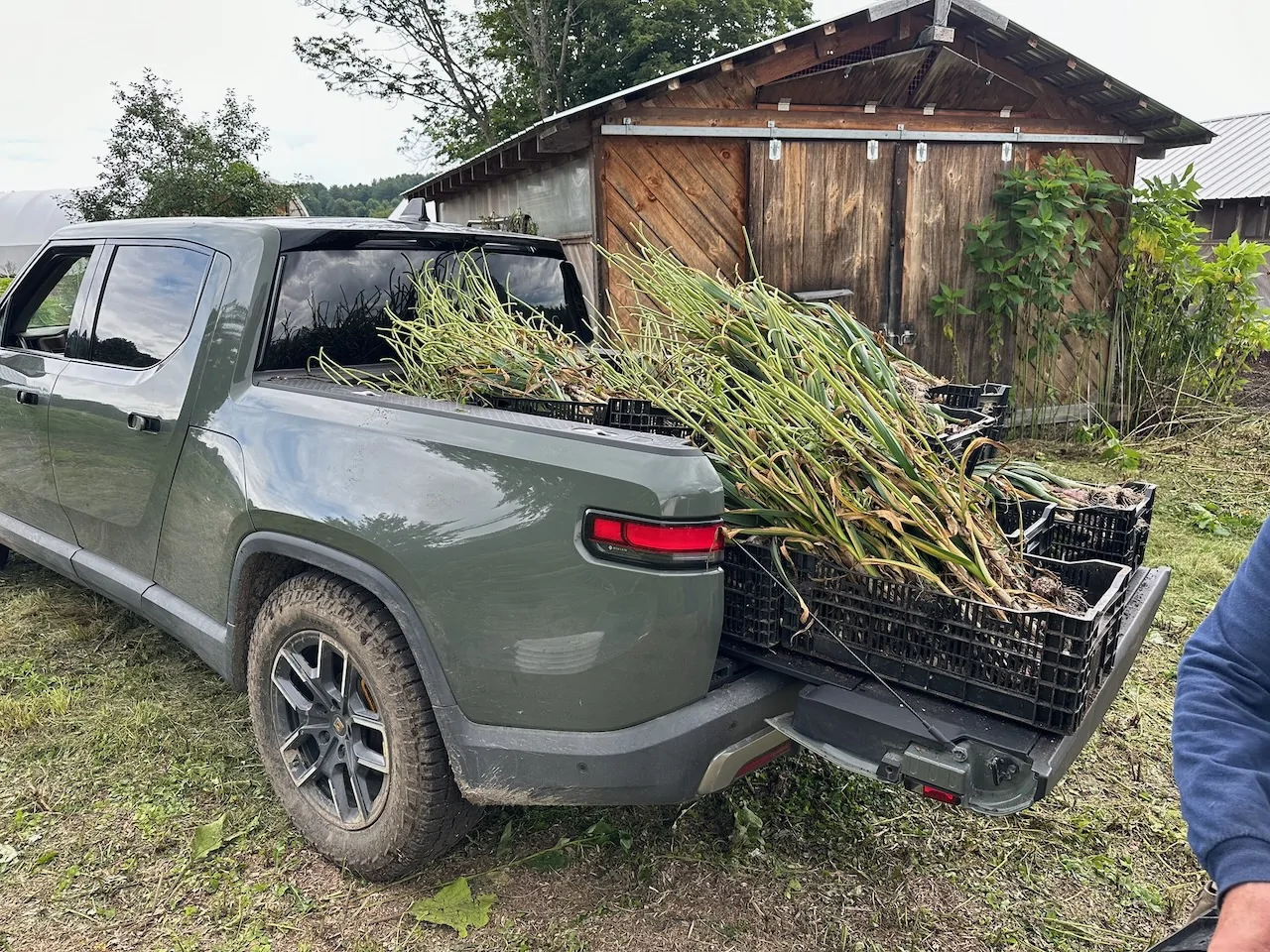
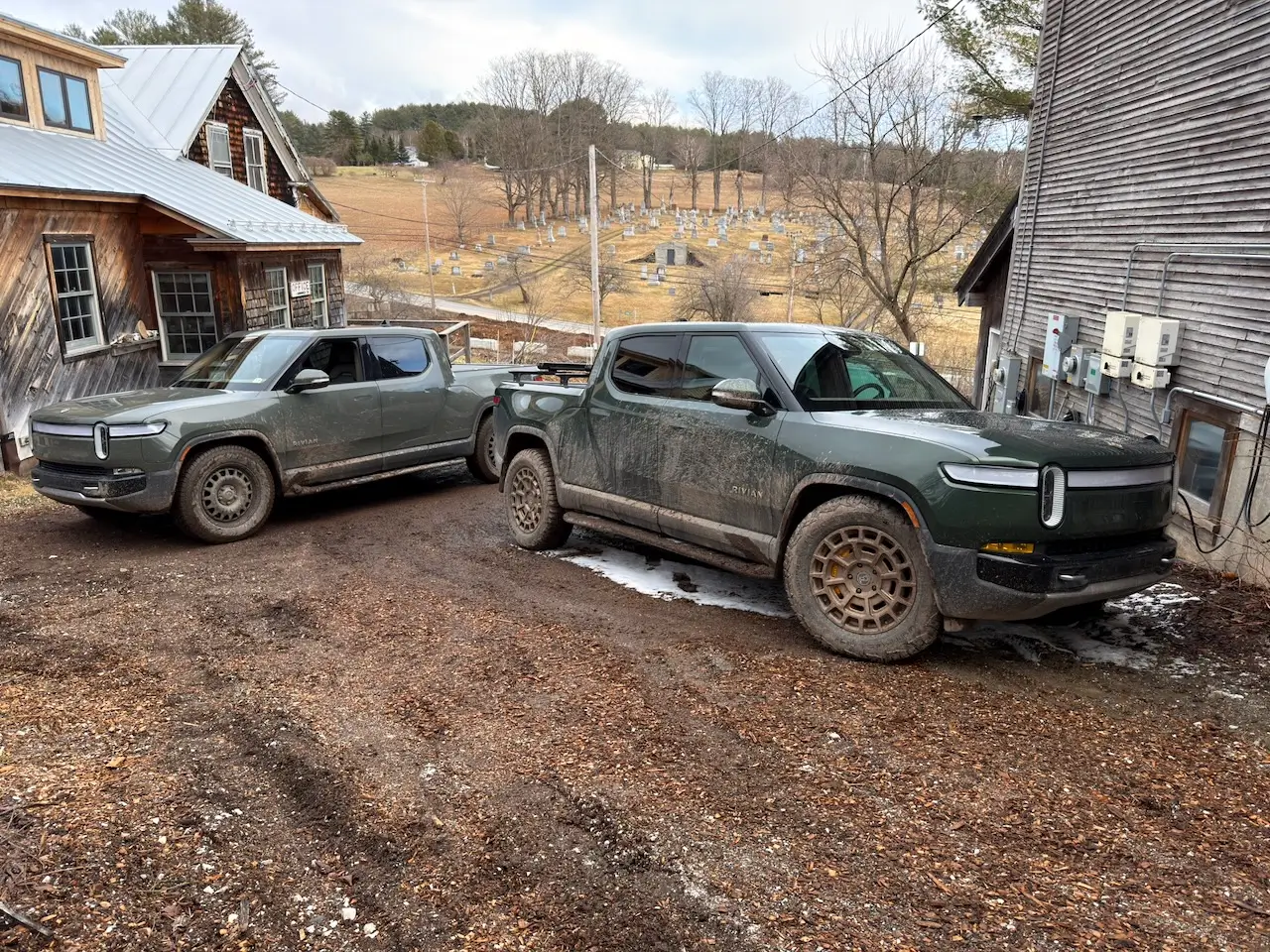
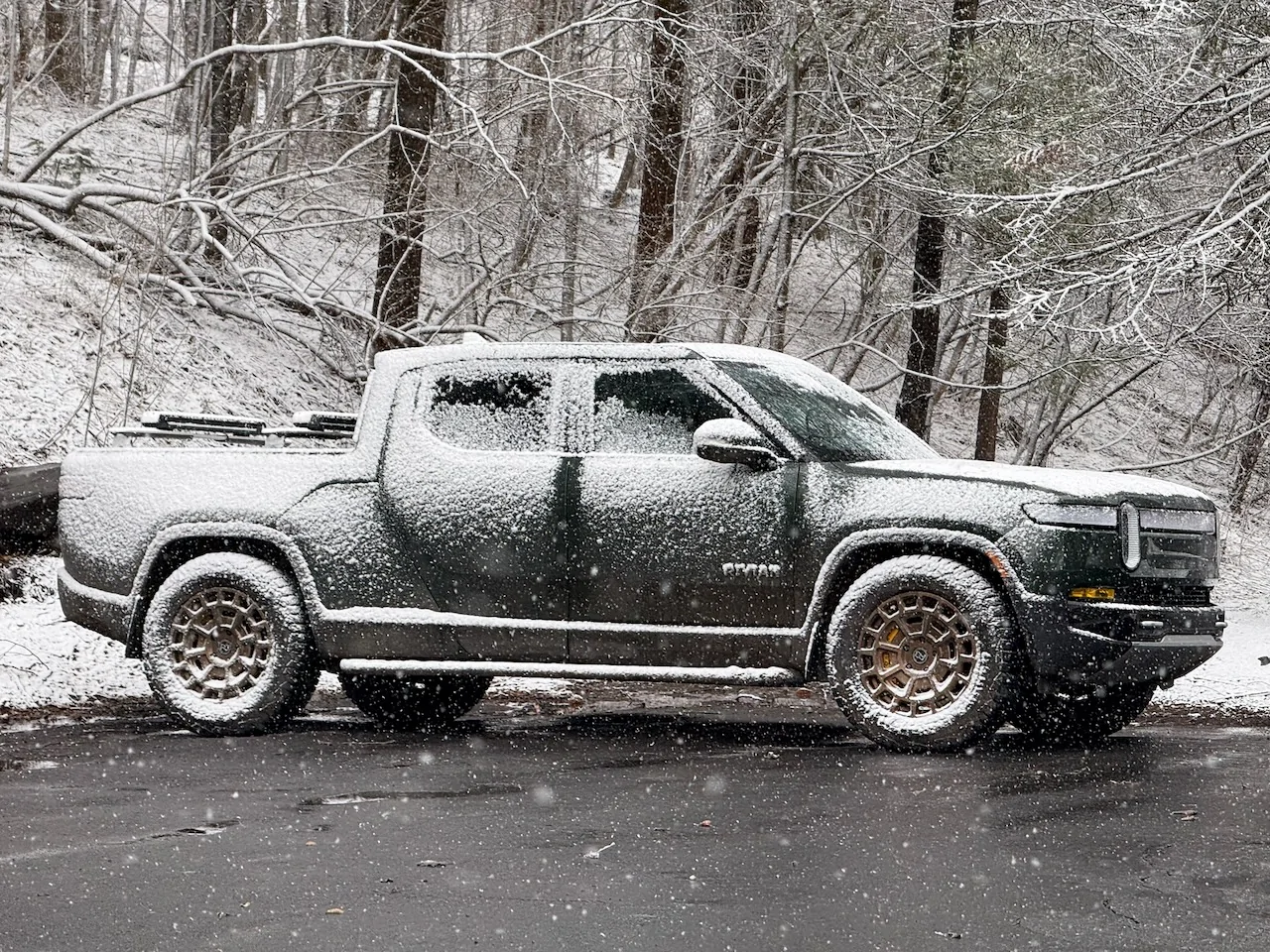
We're in Vermont and we have four R1Ts in the family business: my father's 2022 Launch Edition, my 2022 Quad Large (a former demo truck with 10k on it when I bought it), and two 2024 Dual Larges. And let me head off the most predictable reply right now: these are not work trucks. They're trucks that sometimes do work. By time, by miles, by any measure you like, they're mostly commuters and personal vehicles:
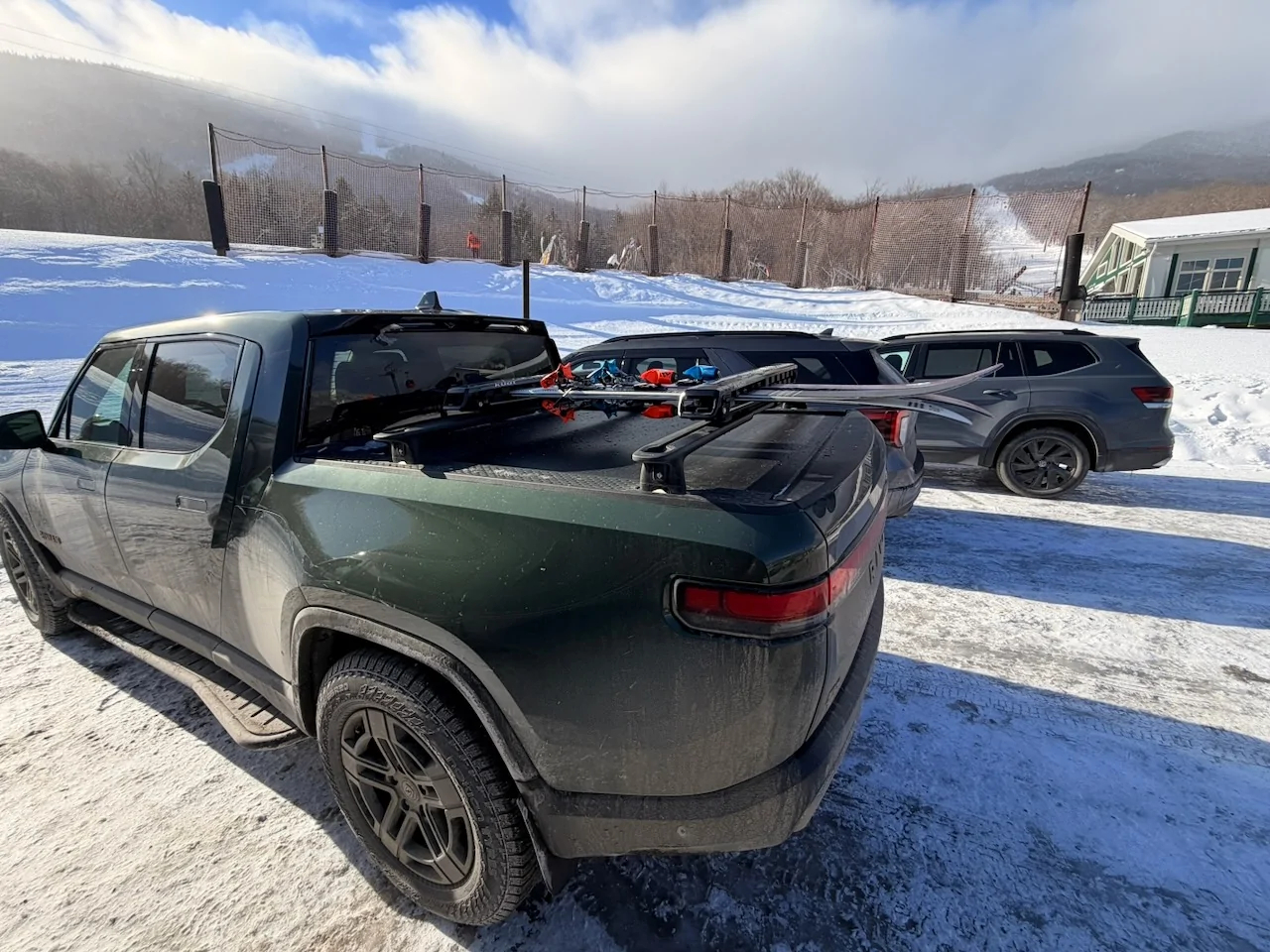
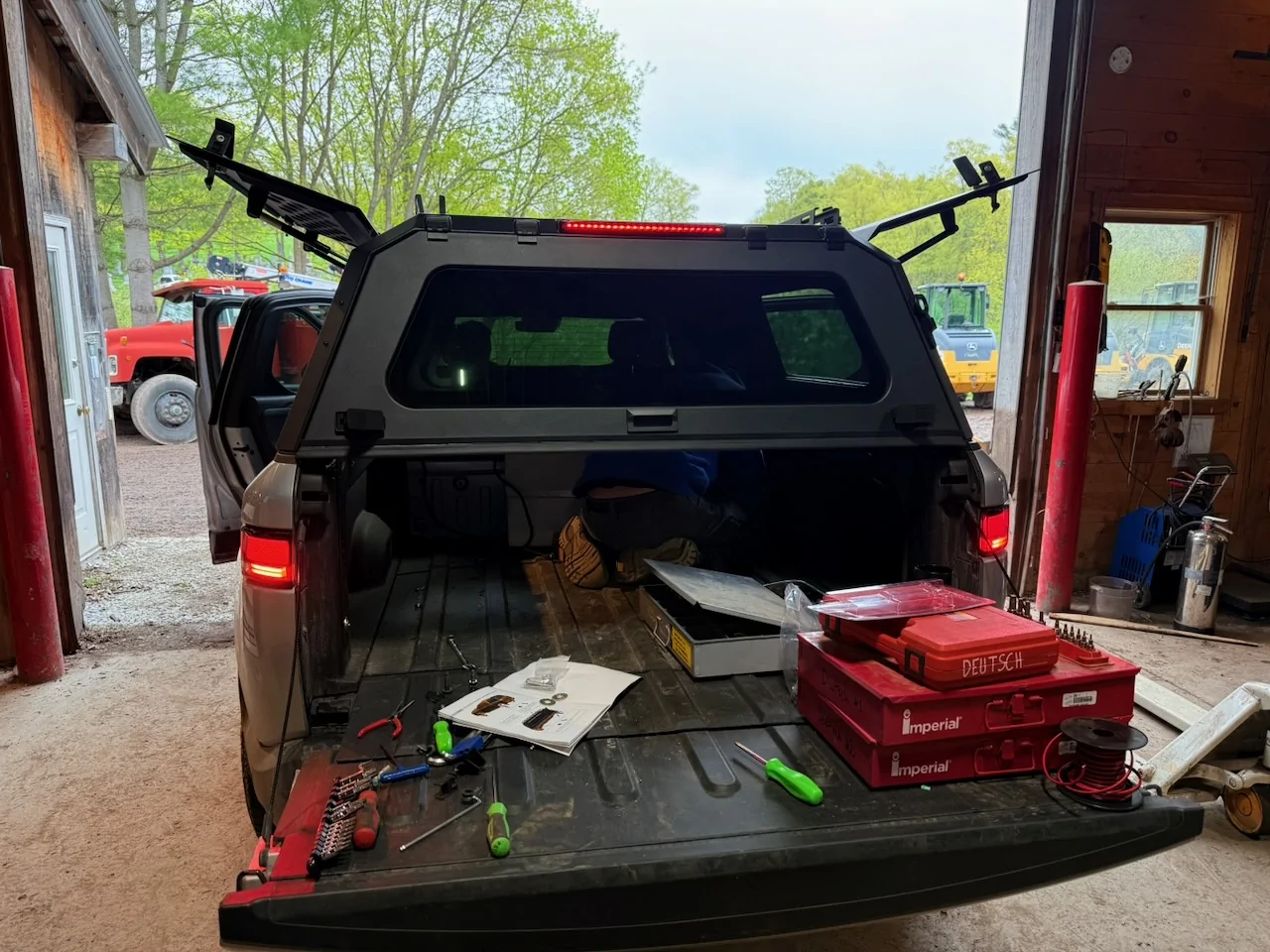
  • One of the Dual Larges belongs to our builder. Cap and racks, the occasional bit of lumber or a hardware-store run, but its main job is hauling his kids to school and sports. It's his only vehicle, for everything.
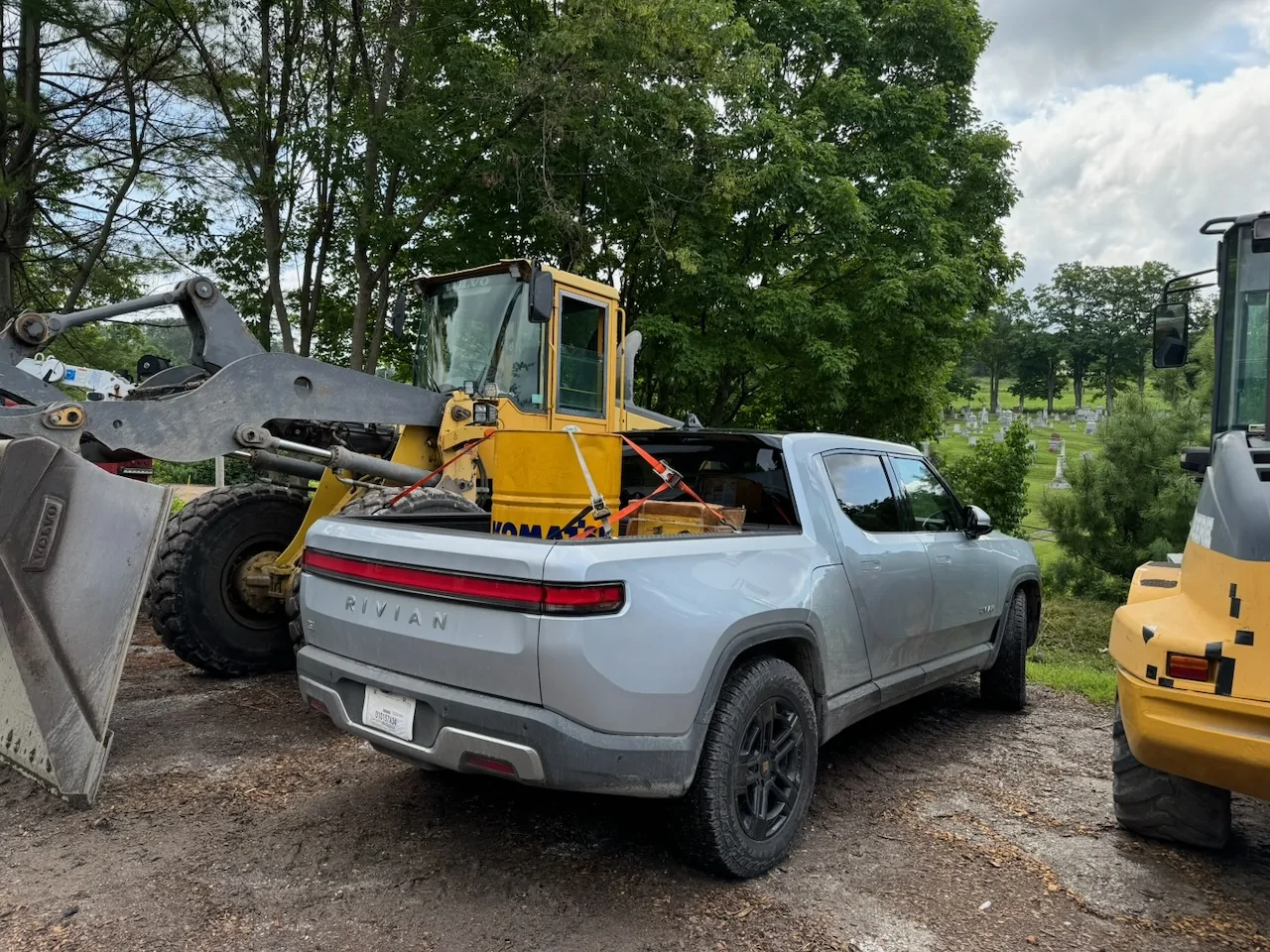
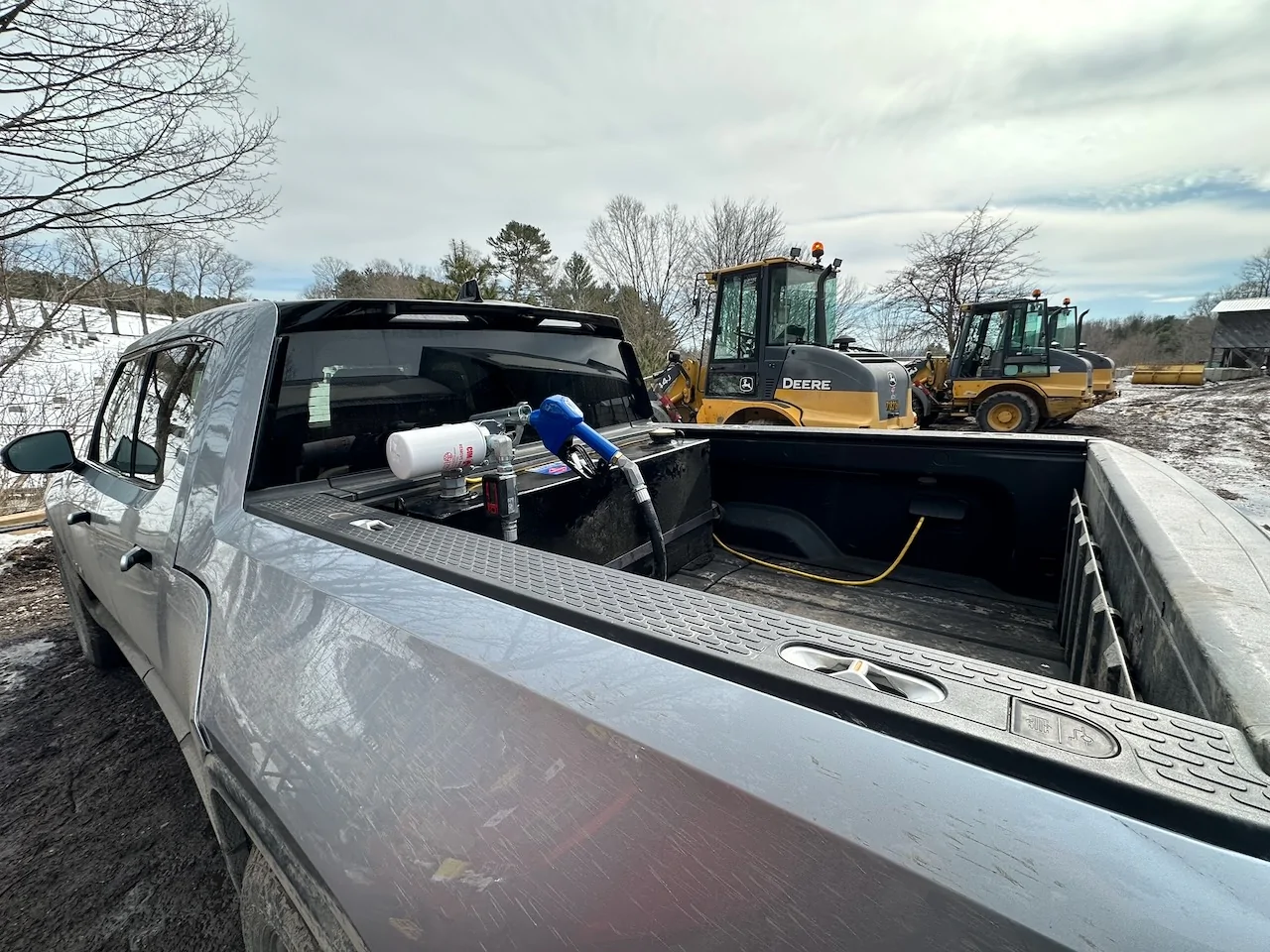
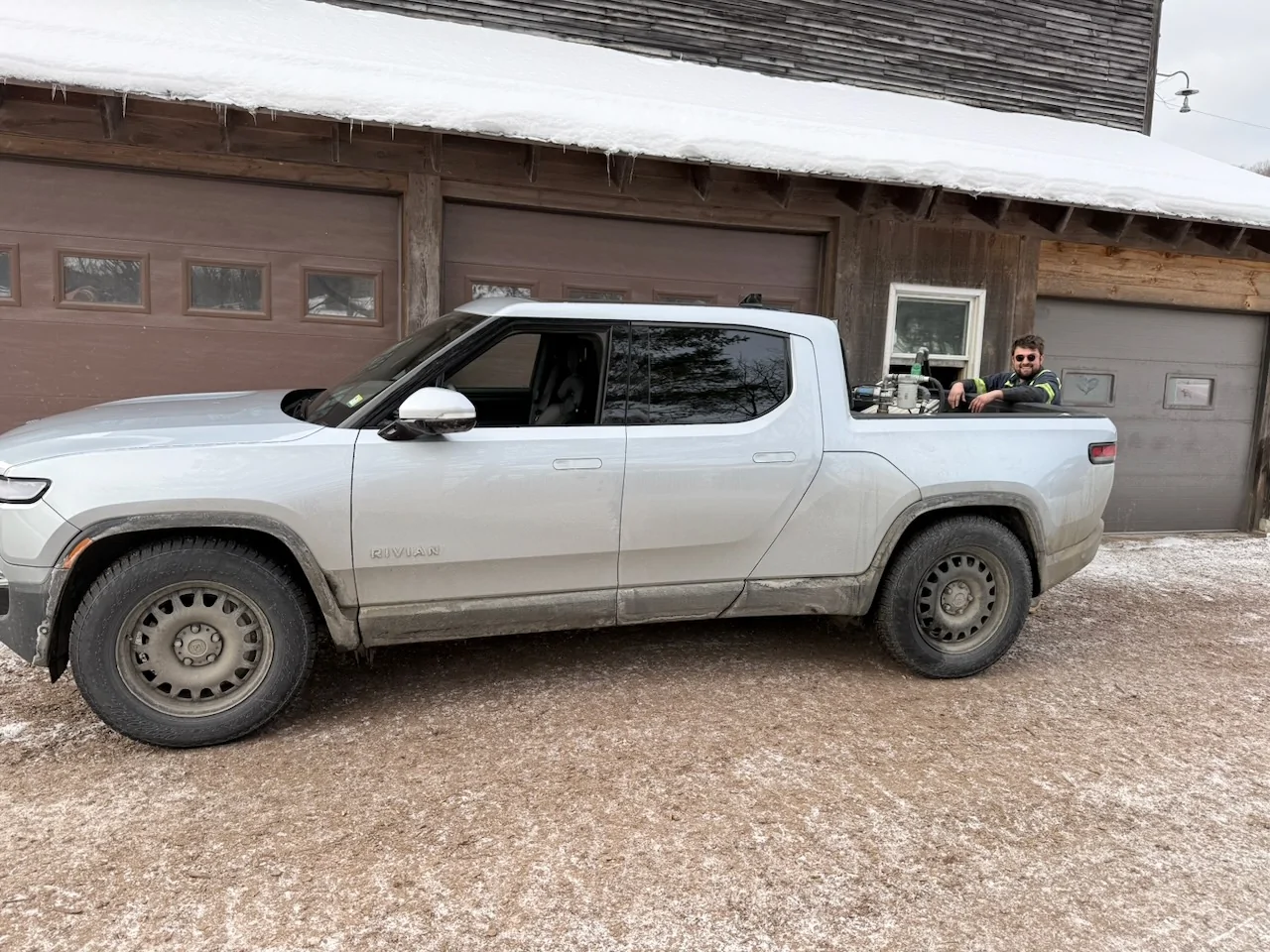
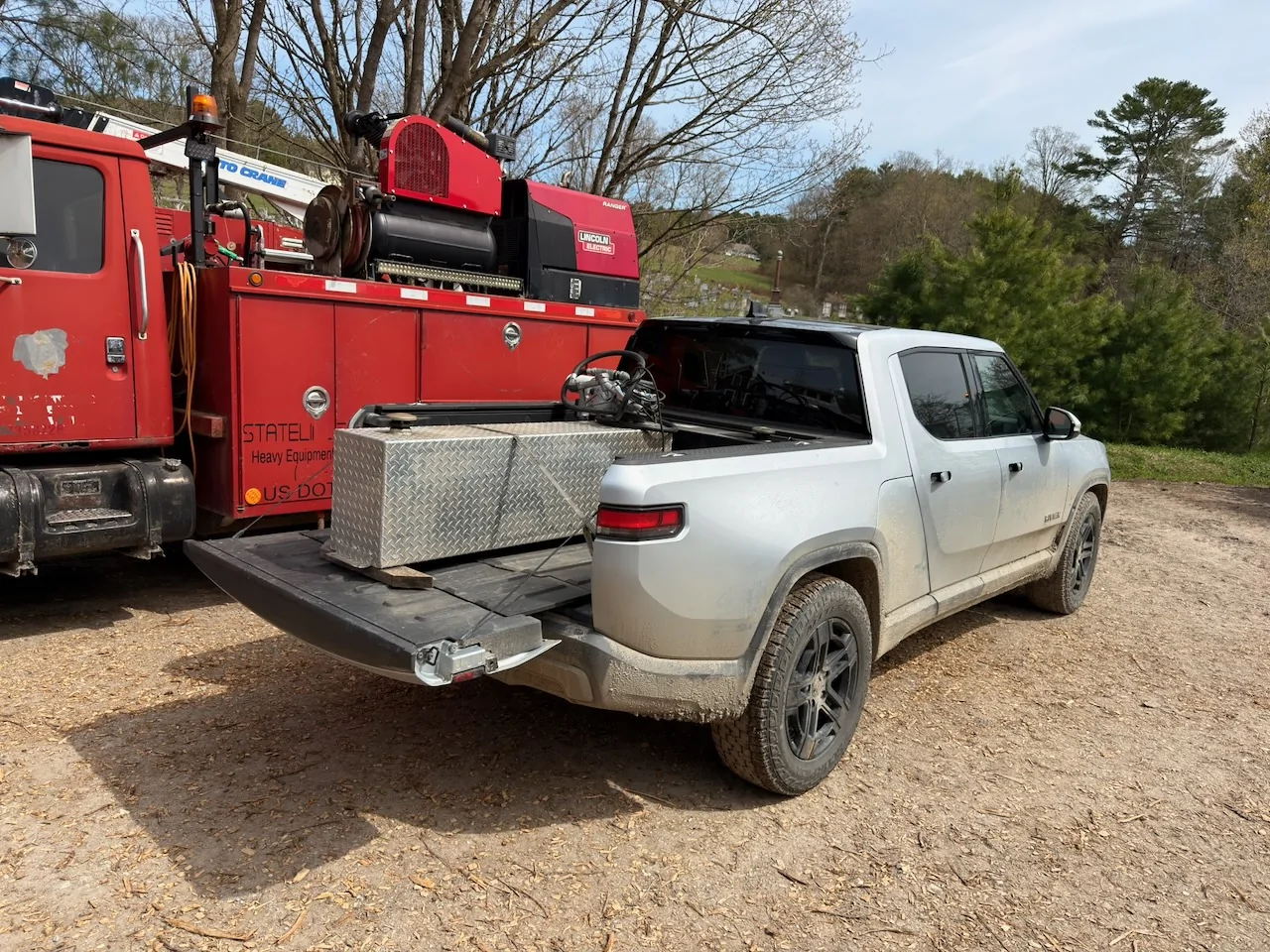
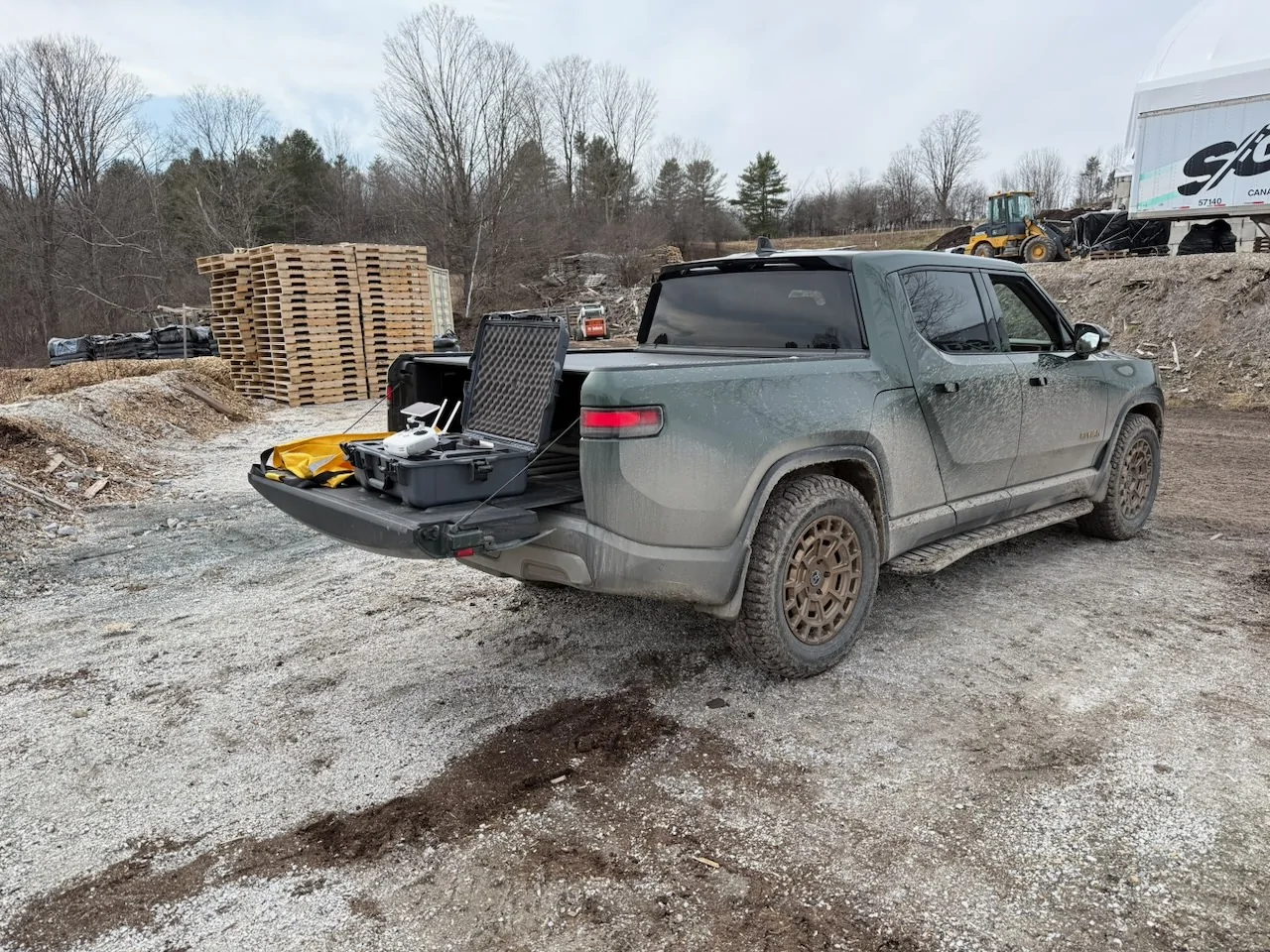
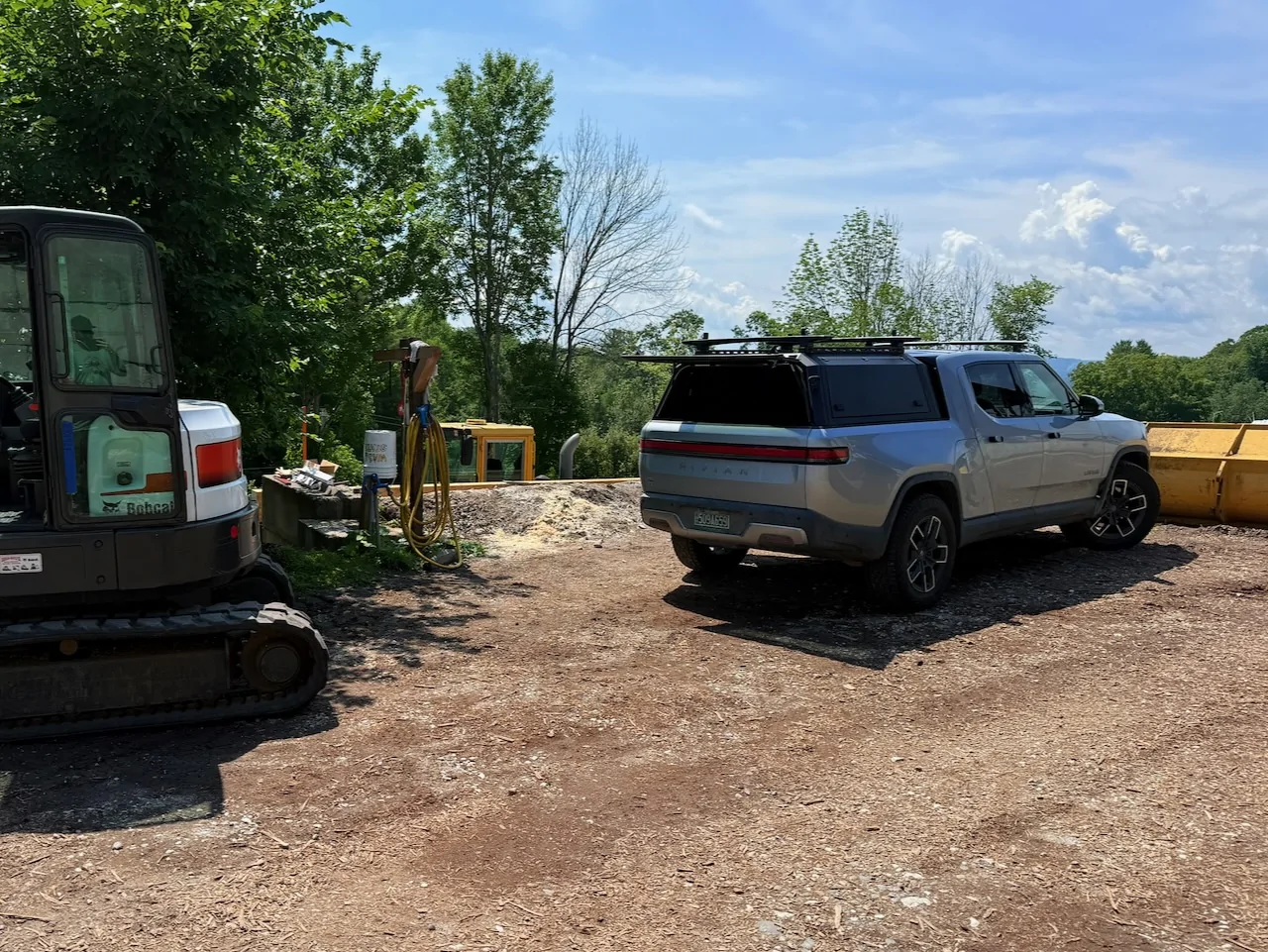
  • The other Dual Large is our heavy-equipment mechanic's commuter and parts-getter. It carries a small 40-gallon biodiesel tank to top up machines, but his real work happens out of a dedicated service truck with a crane, welder, and compressor.
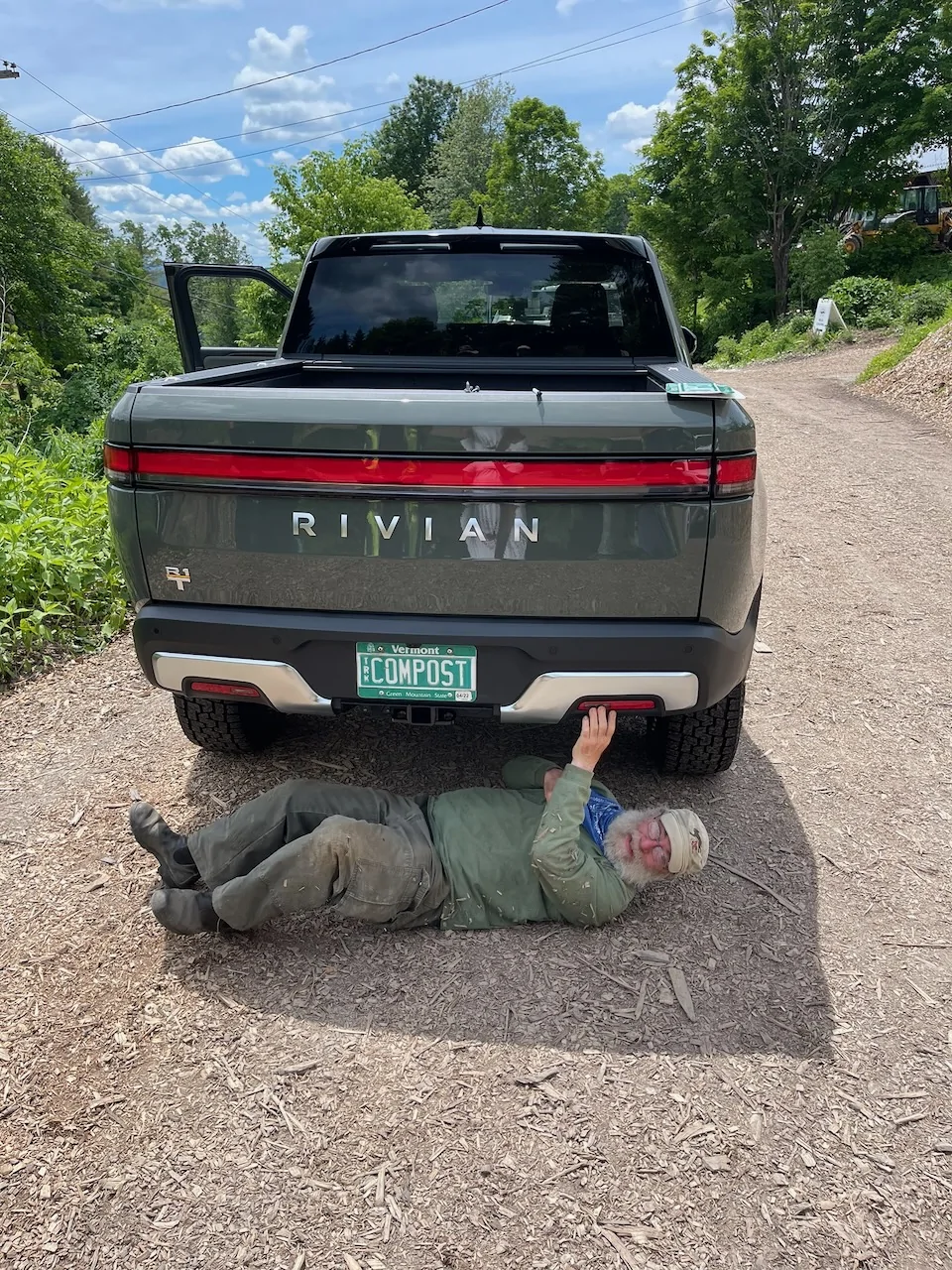
  • Mine is mostly a personal vehicle. Its "work" is driving the dirt roads around our three compost/potting-soil manufacturing sites spread across ~100 acres, roads we maintain well. I've been "off-road" in the recreational sense maybe a handful of times.
  • My father's truck is the honest exception: he has mobility issues that make walking increasingly difficult, so the truck effectively works the way some people use a UTV, out on the fringes of the property and through areas still being cleared and developed. His carries real battle scars (some we've paid to fix, most it still wears), and I won't pretend otherwise.
The environment, though, is non-negotiable for all four: ~55% of the roads in Vermont are dirt. Mud season, freeze/thaw, steep grades, broken pavement, and salt for much of the winter (to a very excessive degree, in my opinion). We own and operate a compost company, and our sites include a lot of road we maintain ourselves, some steep, sometimes very muddy, so some people would call a fair amount of our on-site driving "off-road." But here's the honest calibration: nearly everywhere we drive on-site is accessible, most of the time, by rear-wheel-drive electric golf carts and other low-clearance 2WD employee vehicles. This isn't rock-crawling. So no, these aren't garage queens, but with one exception they're living the life of any Vermont daily driver, not a fleet of abused job-site rigs. Keep that in mind when you read what follows: the truck with the most warranty line items is mine—the one that mostly commutes.

The sweet (because there genuinely is a lot of it)
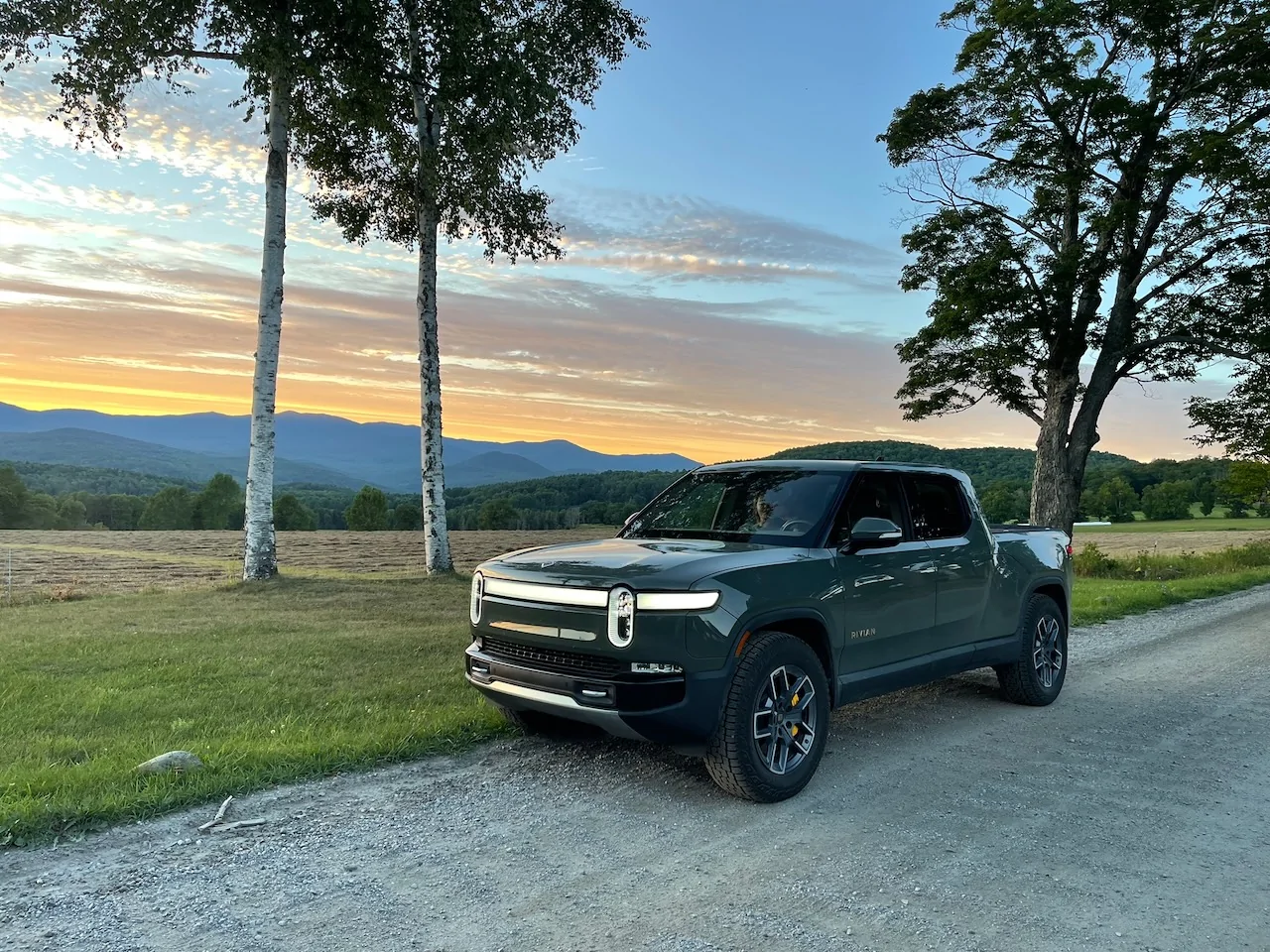
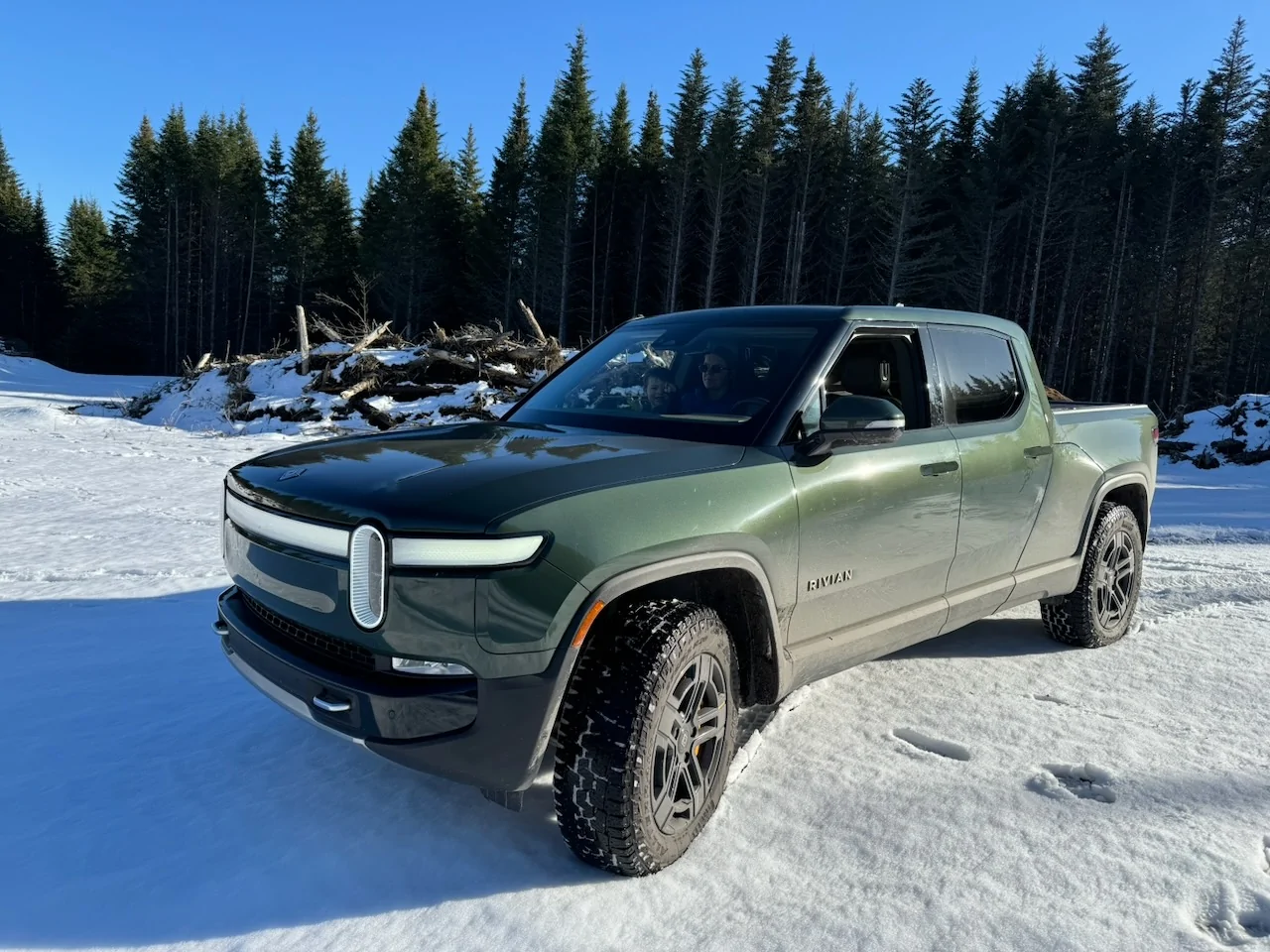
I want to be clear up front: we didn't end up with four of these by accident, and I'm not writing this as someone who hates his truck. As vehicles to drive, they're remarkable. The winter capability is the best of anything we've owned. One-pedal driving on a washboard dirt road in February is something no other truck does as well.

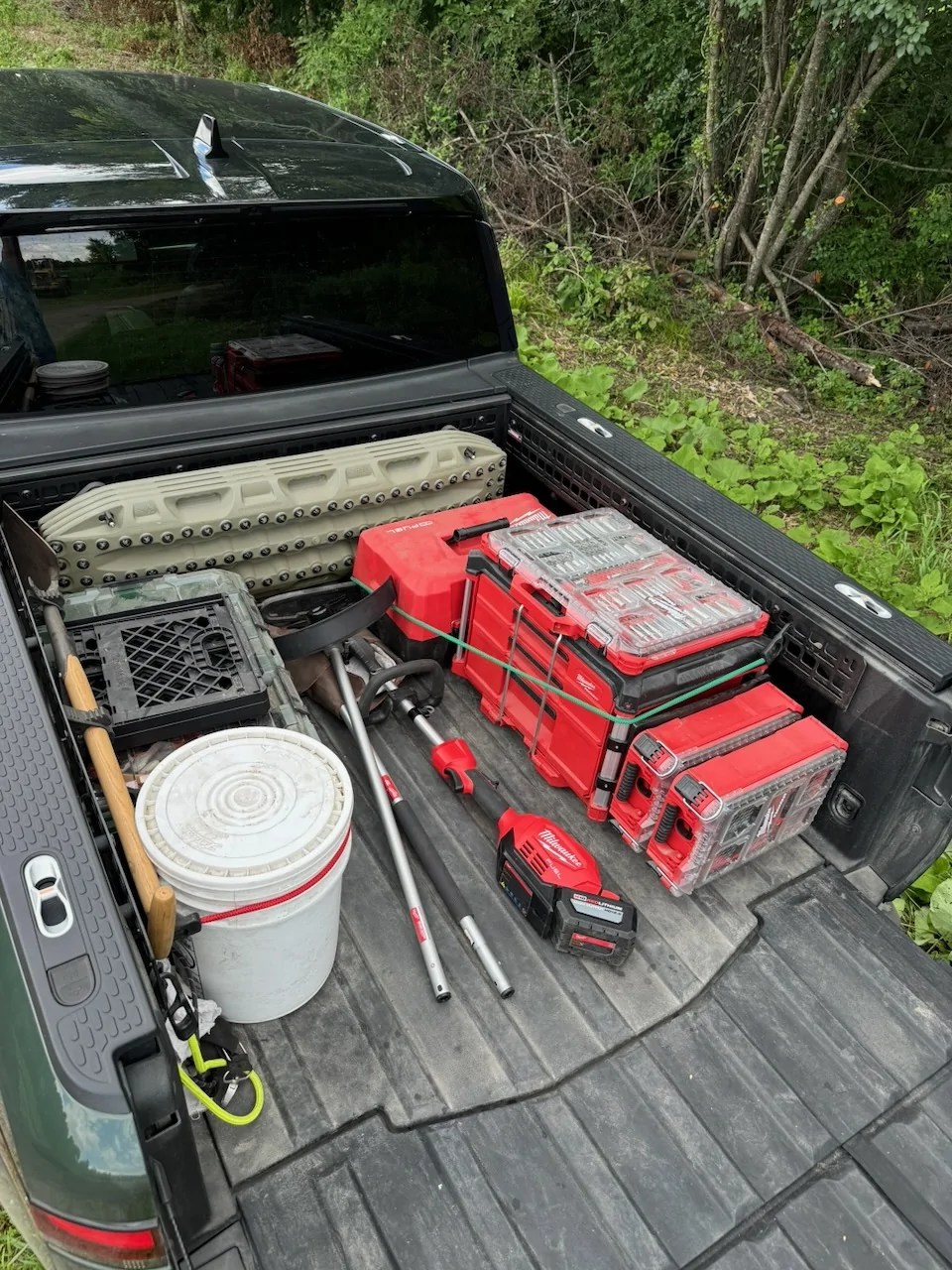
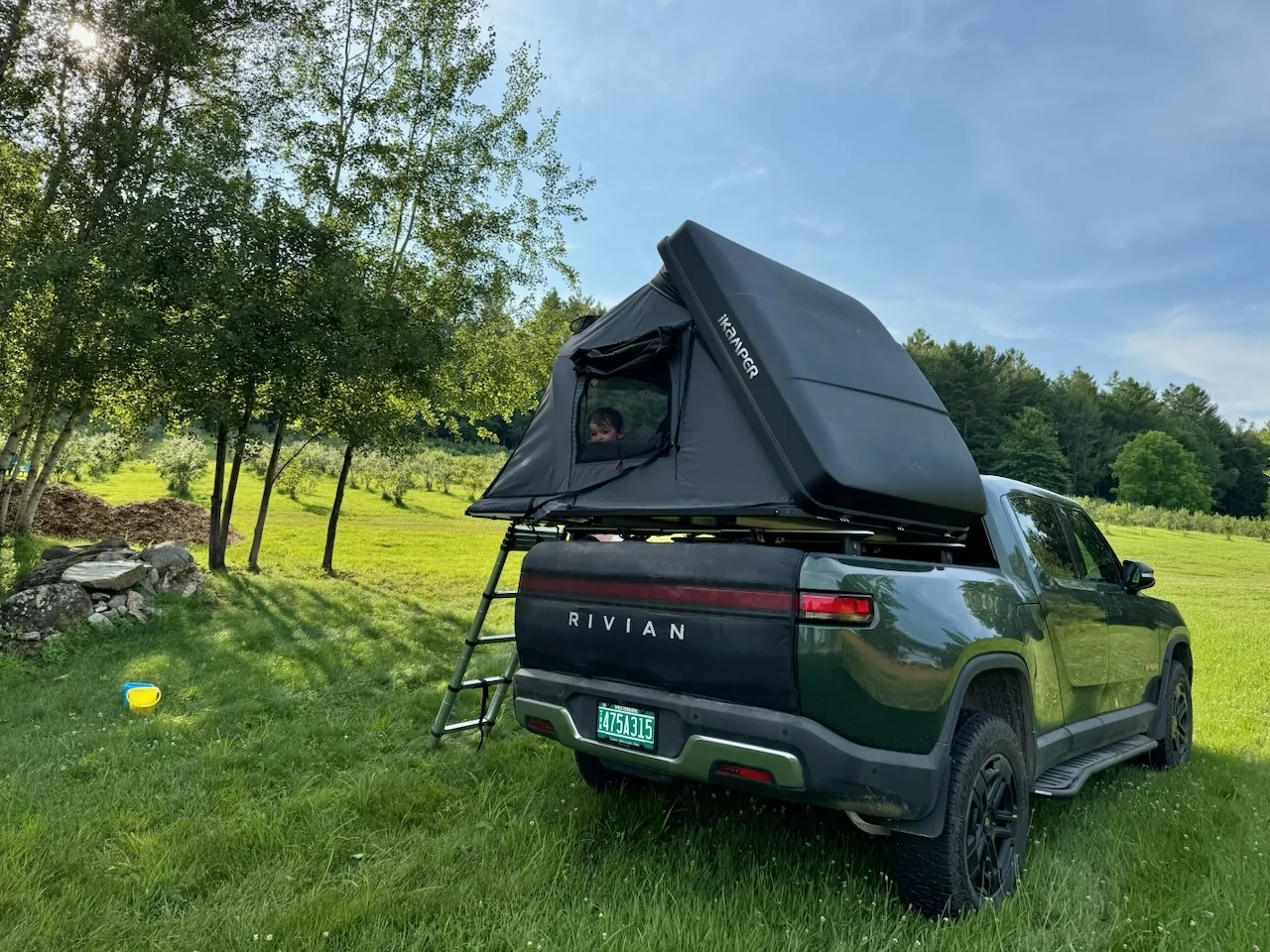
But the thing I love most is the sheer practicality. I don't want a full-size truck, and I want a full EV, and to this day there is still no other option for a smaller-than-full-size electric truck. Nothing else fills this space. The storage is ridiculous in the best way: gear tunnel, frunk, and bed swallow all my tools, the ever-shrinking pile of kid gear (my son's not an infant anymore), bikes, skis, the rooftop tent, a mini fridge, and on and on. It works, it plays, it goes on-road and off-road, and it does all of it in one vehicle. When people ask why we have four, this is the answer—not brand loyalty, just that nothing else does what these do.

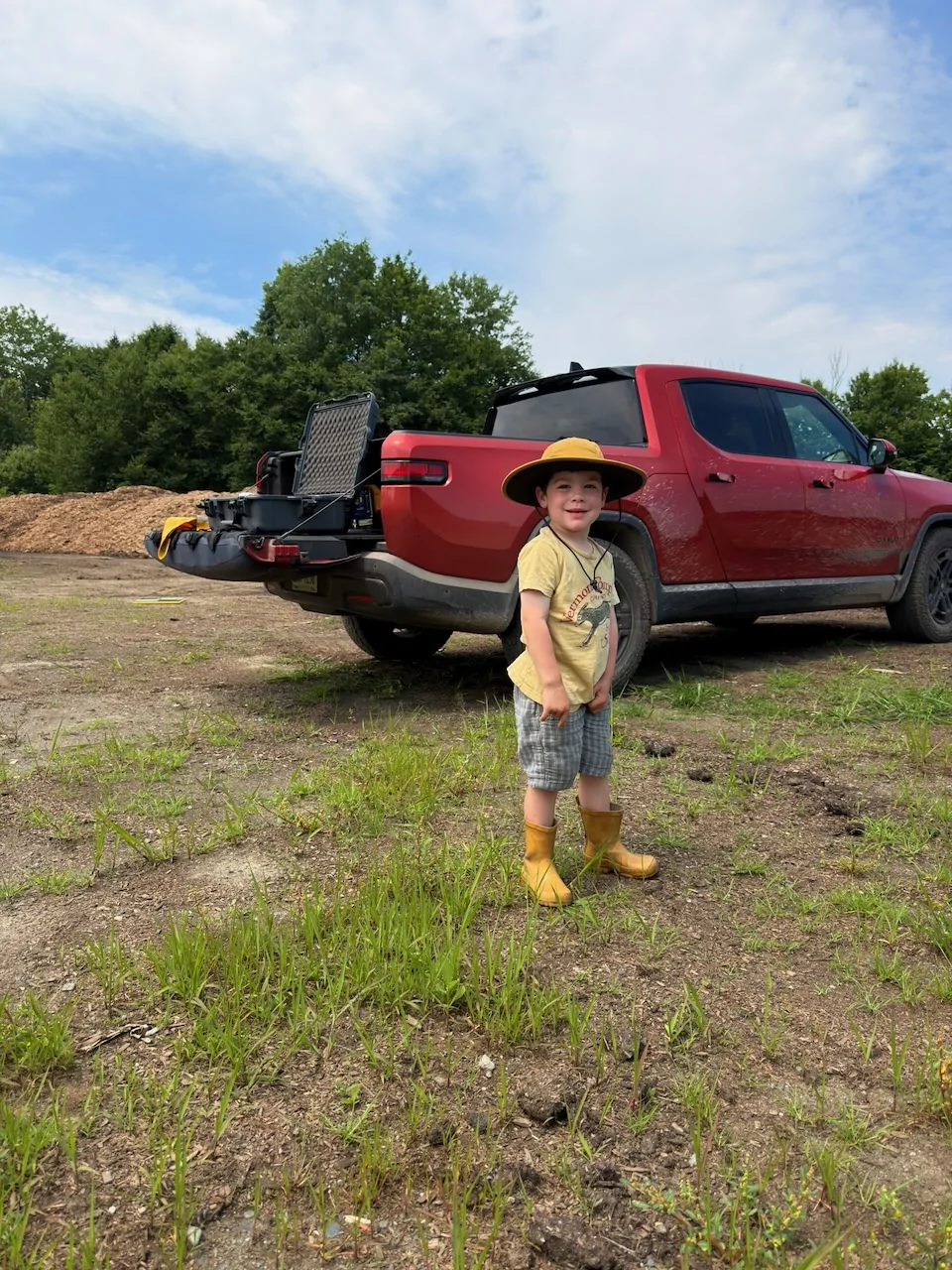
And a detail that says it better than I can: my almost-four-year-old son has ridden in so many loaners over the years (we've had nearly every color at this point) that when he climbs into my actual truck he asks, "Daddy, is this our truck?" That's funny and a little sad in equal measure, and it captures the whole ownership experience in one sentence.

Credit where due, too: nearly everything below was fixed under warranty without a fight. Rivian has never nickel-and-dimed us on a legitimate warranty claim (with a couple of exceptions I'll get to).

That's exactly what makes this bitter-sweet. The trucks are wonderful. I love mine almost as much as I sometimes hate it. The reliability record is the problem—and it's a problem that transfers to whoever owns these vehicles after the warranty runs out.

The bitter, by the numbers
Across the four trucks, from the actual work orders:

  • 41 service visits in ~3.5 years
  • 90 warranty/campaign line items
  • ~205 documented days in service (and that's a floor; several work orders don't list a ready date, and my truck is still in the shop as I post this, on day 15+ of the HVAC/halfshaft job)
  • ~$25,300 out of pocket (though to be fair, $10,325 of that is glass/road damage, another chunk is elective accessories and maintenance, and some is rodent damage, i.e. rural Vermont problems). The number that should worry you is below.
  • 16 recurring failure modes, meaning the same component class failing on multiple trucks, or repeatedly on one truck
That last number is the whole point of this post. One truck with problems is a lemon. Four trucks with the same problems is a pattern.

The recurring failures (the part used buyers should read twice)

Hydraulic dampers: 4 of 4 trucks, 8 separate visits, at least 13 damper modules plus a hydraulic pump.
My Quad Large is on its third set of rear dampers that I know of (I can't be sure due to it being a demo I got at 10k miles): two replaced at 11,231 miles, again at 29,363, and again this year at 42,513. That's a fresh pair roughly every 13–18k miles—like a consumable.

My father's launch truck had its entire system done at ~23,700 miles (front and rear dampers/airsprings, compressor, accumulator, jounce lines) after it got stuck slammed in its lowest setting and had to be towed (17 days at the service center for that one).

Both Dual Larges have had rear dampers replaced too, so this is not just an early-build issue. And here's the kicker—the newest truck, the builder's Dual Large, is now on its second rear damper before 20k miles. The first was found leaking at 15,505 in February; the second was found by the mobile tech doing the brake job in June—a major leak at under 20,000 miles, on a damper that was itself only a few months old.

And here's the part that should really get your attention if you're shopping used: the majority of our recent damper failures were found by technicians while the trucks were in for unrelated work. We hadn't noticed anything. These things leak silently. I noticed my own because I rotate my wheels and tires and swap summer/winter sets. Each time I've gone from summer to winter sets and back again I've noticed fluid leaking from my rear dampers (in the two years I've owned my truck).

Front halfshafts/hubs: 4 of 4 trucks. Between the two 2022s, multiple halfshafts and three front hubs (one corner done twice), and my Quad Large is getting another front halfshaft right now, in the same visit as the HVAC job, plus the FSAM "ting washer" campaign on both Dual Larges. If you've heard the famous Rivian click, we've lived it across the whole fleet.

Air supply system: 3 of 4 trucks. Compressors, an accumulator, a ride-height sensor. And here's a root cause that never made it onto a work order but was confirmed to me in writing by the service center: the compressor failure that left my father's truck stuck slammed in its lowest setting was bi-metallic / dissimilar-metals corrosion around a plug on the air suspension unit. File that under "things salt-state buyers should know." It's not an isolated corrosion story, either; by spring 2026 we had visible corrosion on the faces of front sensors on two different trucks. (One other compressor replacement, on a 2024 at 15,505 miles, was on us, but that one's not on Rivian: rodents got to it. More on that below.)

HVAC condensate → wet carpets: 3 of 4 trucks, and one on its second replacement. I made a PSA about this last summer and I stand by every word. Plugged condensate drains (water backing up into the cabin and soaking the carpets) have hit three of the four trucks, with the builder's Dual Large the lone holdout so far. My father's launch truck had its HVAC assembly replaced twice in three weeks after it threw an "electrical hazard, do not drive through water" warning and was effectively bricked (16 days in service). The mechanic's Dual Large had its HVAC assembly replaced last September. And as I write this, my own Quad Large is sitting at the service center getting a full HVAC assembly and carpet replacement, its second (its first was last August), along with a front halfshaft. That current visit is a good example of what I mean about wasted time:

I told them from day one this was a condensate-backup issue, same as the PSA. They came back saying they couldn't replicate it in the shop. So I asked a simple question: did you run the AC indoors in your climate-controlled bay, or outside in real Vermont heat and humidity? The advisor confirmed it was the former, and agreed that was a plausible reason the tech couldn't reproduce a humidity-driven condensate problem. Several days later they confirmed the HVAC did in fact need replacing, and only then, on July 1, well over a week into the appointment, did they order the parts. That's potentially weeks of service-center time that proactive parts-ordering at booking could have saved. (In fairness, I'm working with limited information, and it's possible the parts weren't available earlier regardless. And to their credit, this particular center has been notably better to deal with than some. But the pattern of diagnosing narrowly, waiting, re-diagnosing, then ordering is exactly the kind of structural drag that turns a known, customer-identified failure into a multi-week stay.)

And the erratic HVAC behavior we've seen on multiple trucks (random fan speeds, defrost that only works after toggling the system off and on)? A service manager told me in writing it's likely the evaporator freezing, with future software updates "expected to improve performance and reduce frequency." So Rivian knew about these issues all last winter—but didn't manage to fix them until the March update.

Powered tonneau: 3 of 4 trucks, six covers between them. My Quad Large is the standout: replaced in October 2024 for thermal-expansion jamming, and the brand-new replacement cover's slats buckled and jammed it shut sixteen days later (the work order's cause line reads, in its entirety, "Tonneau cover is faulty"), then ultimately upgraded to the V2 rollup design. The launch truck had its stacked-slat cover replaced after sticking mid-travel, and later got the V2 as well. One Dual Large's cover was stuck closed within ten months of installation and was swapped to the "revised power rollup," which is Rivian's own wording on the work order. All three trucks now wear the redesigned V2, which is to say: every original-design cover we owned either failed or was superseded. When the manufacturer ends up replacing the design fleet-wide, that tells you what they think of the original. Bonus discovery for V2 owners: I was told the tonneau gasket is not a serviceable part, so if your seal deforms (mine has), the fix is a whole new cover assembly.

Driver door handles: 3 of 4 trucks, 4 visits. Every single failure was the front-left handle—the one the driver uses fifty times a day. Add in the dead card reader on one of the 2024s.

AXM failures: 2 of 4 trucks, three weeks apart. The AXM (Autonomy eXperience Module) is the liquid-cooled computer that is, essentially, the truck's brain for infotainment and ADAS, and in late summer 2025 it overheated and was replaced on two of our trucks. One work order reads "AXM module overheated and 4 internal modules failed"; the other, "AXM cold plate overheat, causing system shutdown to prevent thermal damage," with logged CPU temps hitting 76°C at 3 AM. A major liquid-cooled ECU cooking itself on two trucks in the same month is worth flagging, especially since one of those trucks first spent weeks being chased for a mystery "driver assistance error" (a radar was the original suspect) before the AXM was identified. Those two repairs account for the 23-day and 20-day service stays on the timeline.

And the rest, briefly: LV harness repairs on my truck four times in eight months (with a wheel-speed sensor as collateral), steering wheels replaced under the high-speed-vibration TSB on both 2022 trucks (the tech's note on mine is a keeper: "there is no place to legally drive at the speed the customer has concern. 55 was the best possible in the boston area"), 12V batteries proactively replaced three times across the two 2024s, defrost components on two trucks, A-pillar appliques on two trucks the same month, rear lateral links twice on the launch truck, ultrasonic sensors, coolant/turtle-mode events on two trucks, plus ten recall/FSAM campaign actions across the fleet, including the rear toe-link recall.

There's also a category I've started calling "rework": instances where a service visit caused the next one. Outlets left unplugged after a tonneau job. A door latch broken during a handle replacement. Clicking after brake service. An ADAS fault that appeared the day we picked a truck up. A gap between the A-pillar trim and the dash after the HVAC job ("corrected trim not being installed properly," per the work order). Both of our windshield replacements, two for two, came back with a non-functioning rain sensor; the cause line on mine reads "rain sensor was not clipped in properly." Individually forgivable, but as a pattern it pads that 205-day downtime number.

What it actually cost us (and what it would cost YOU out of warranty) Our true out-of-pocket on repairs and wear items (setting aside glass/body damage and accessories):

  • Brakes: ~$6,981 across all four trucks. This is the one nobody warns you about on an EV. All four corners at 20,102 miles on one Dual Large; front and rear rotors at 19,397 on the launch truck; front rotors at 23,561 on my Quad Large, then a full rear service at 42,513. And the truck that completes the set: the last of our four just had all four rotors and both pad sets done at 20,068 miles, $1,742.62, paid out of pocket. That makes it four of four trucks needing major brake work by ~20–24k miles—every single one, in the same narrow mileage window. Vermont winters and 7,000-lb trucks are surely contributors, but "EVs barely use their brakes" has not been our experience, and none of it is covered.
  • Rodent damage: $1,418 for an air suspension compressor on one of the 2024s at 15,505 miles. Not Rivian's fault, but if you live somewhere rural, know that mice and these trucks get along entirely too well, and animal damage is not a warranty item. Worth a conversation with your insurer.
And one for the "warranty shield actually works" column: a $3,604 driver's seat replacement was initially written up as customer pay on the estimate, and Rivian ultimately covered it. That's been our experience more broadly. They have stood behind these trucks while the warranty has been in effect.

Now the thought experiment that should keep any prospective used Rivian buyer up at night: take the warranty away. Those ~90 warranty items (multiple complete damper sets, an entire air suspension system, HVAC assemblies, halfshafts and hubs, harnesses, a hydraulic pump) all become the owner's problem at dealer labor rates ($230/hr on our recent invoices), on a vehicle your local independent shop mostly can't touch. We've decided none of these four will stay in the family past its warranty. Out of warranty, a Gen 1 is a financial dice-roll—except we've watched the dice land 41 times, so we know the odds. While I don't know what the cost would have been for all of these repairs (we never will), I can only imagine it has to be well into the 6 figure range at this point.

The cost that isn't in any work order There's a whole category of expense the paperwork doesn't capture: my time on the phone. Across 41 service visits I'd honestly estimate it in cumulative days, possibly weeks. Not because any one call is unreasonable, but because the system makes you repeat yourself endlessly. You can't call the service center directly, and that's not me editorializing; a service manager confirmed it to me in writing this February: "At this time, there is no direct phone line to the service center." The official protocol is to call the central line and, if you don't hear back within 48 hours, escalate. Everything routes through call-center staff who can't see what's actually happening on the ground. At one point the call center scheduled all four of our trucks for service at the same time. There's no consistent point person you can reach promptly. Every handoff resets the clock, and on a fleet with this many open threads, the handoffs never stop. (To Rivian's credit, I've been told a direct line to service centers is coming. It was supposed to arrive months ago.)

I want to be careful here, because the SC staff themselves have mostly been genuinely good, people doing their best inside a structure that kneecaps them. The inefficiency costs everyone: me, our business, the techs, and frankly Rivian itself, which pays for the duplicated effort.

And it shapes outcomes. If I had to grade the treatment we've received over four years, the honest word is inconsistent. Mostly okay, sometimes genuinely great, but I've often felt that if I weren't a shrewd and dogged negotiator, we'd have had a much worse result. A used buyer inherits the same process with less history, less leverage, and eventually no warranty. The dice-roll isn't just the components—it's whether you have the time and temperament to advocate for yourself, repeatedly, through a system that doesn't remember you.

A loaner saga (read the fine print before you need it)
Loaners deserve their own section, because what we learned the hard way is something every buyer should know going in: the warranty guide and the service terms say two different things. Page 6 of the New Vehicle Limited Warranty Guide says Rivian "will offer you alternative transportation for the duration of the warranty repair free of charge." The service terms you actually operate under call alternative transportation "a courtesy" offered "in its sole discretion," revocable "at any time without notice." Guess which document wins in practice.

Over four years we've lived the whole arc. We've had stretches where loaners worked beautifully, including one genuinely heroic save where a manager had a just-returned R1T driven three hours north to us, with a chase vehicle, the same day my truck needed to go in (after I'd refused a tow because no transportation had been arranged). We've also been told, mid-failure, that there were zero loaners available. The manager's own numbers at the time: 27 loaners against 45 vehicles in progress, with Enterprise several days out from having any vehicle.

And then there's the chapter I'll own my share of: at one point our loaner privileges were revoked. Some of it was on us. A loaner came back dirtier than it should have (a handoff went sideways on our end), with a dent we immediately disclosed and offered to pay for, and during one truck's intermittent turtle-mode episode I handed the loaner to my employee so he wouldn't end up stranded, which technically violated the driver agreement (I told them so myself). I don't love how we returned that vehicle, and I said so at the time. But the expectation attached to it was, frankly, absurd: that customers return loaners essentially rental-ready for the next customer. What rental company on earth requires that? The reason behind the expectation is the telling part. I was told the service center has no detailing staff—so the service manager sometimes details loaners personally. Sit with that for a second: the manager of a major regional service center, hand-detailing courtesy cars. That's a resourcing problem, not a customer problem.

The privileges were reinstated, but only after I went over the local manager's head and spoke directly with the Regional Service Manager, and only after we negotiated the obvious (that returning a detailed vehicle requires being given time to detail it). The next loaner went out and came back without issue. Which is the whole point of this section: the outcome was fine—but it was fine because I escalated, negotiated, and didn't take the first answer. "Courtesy, at our sole discretion" means your transportation during warranty repairs depends on inventory, on policy interpretation, and on how hard you push. Plan accordingly.


If you're shopping a used Gen 1

I'm not telling you not to. I'm telling you to go in with your eyes open:
  1. Get the complete service history. Not the Carfax, the actual Rivian work orders. If a seller can't or won't produce them, walk. A Gen 1 with no service history isn't a unicorn; it's a truck whose problems haven't been fixed yet.
  2. Put it on a lift and look at the dampers. All four, plus the jounce lines. They leak before they announce themselves. Ask specifically when each damper was last replaced; on our trucks the answer matters more than the odometer.
  3. Pull the floor mats and feel the carpet, then check whether the HVAC drain service or carpet replacement is in the history. If it's never been done, assume it's coming.
  4. Budget real money for brakes by ~20–25k miles if it lives anywhere with winter.
  5. Cycle the tonneau, every door handle (especially driver's), the charge port door, and ride height through all modes, slowly, twice.
  6. Verify every recall and FSAM campaign is closed, including the toe-link recall and the water-shield campaign.
  7. Think hard about the remaining factory warranty as the single most valuable option on the truck, and price extended coverage before you buy, not after. Whatever it costs, our paperwork suggests it's cheap.
  8. Be honest with yourself about whether you have the time and stomach to self-advocate. Service outcomes in our experience correlate with persistence. If you're not the type to make the fourth follow-up call, factor that in too.
And one concern for NEW buyers too: the R2 wave is about to hit this service network
This part isn't just about used Gen 1s. With R2 deliveries starting, I have a serious concern for anyone buying any Rivian right now: I don't see how the service infrastructure, as it currently stands and as it appears positioned to scale, absorbs the demand that R2 is about to uncork.

To be fair: R2 (and to a lesser extent Gen 2) looks like it genuinely improved on a lot of Gen 1's shortcomings. Rivian makes an appealing, well-marketed product, and they clearly learn. But I've never known a vehicle that needs zero service, especially one living somewhere like Vermont. Every R2 sold is a future service appointment—and they're about to sell a lot of them into a network that already struggles with the load from R1 volumes. And I don't have to speculate about that load; I have it in writing from the managers themselves. In February 2025, Chelsea had 27 loaners against 45 vehicles in progress, with none available. In August 2025, the same center was "fully booked through November," a three-month scheduling backlog, before a single R2 hit the road. Add our own paperwork: vehicles sitting at the SC for days or weeks before scheduled work even begins (received-to-ready gaps of up to 23 days on our work orders), and return visits to fix what the last visit caused or missed.

There have been real improvements over our four years, and I want to acknowledge that. But there have also been fresh causes for concern. Our most recent round of work at Hudson was, frankly, very disappointing: multiple trucks had to go right back for additional work, or to correct things missed on the first trip. That's the network before R2 volume lands on it. If you're ordering an R2 expecting Gen 1 lessons to have been learned in the metal, you may be right—but you'll be sharing a service center with all of us, and the math on bays, techs, and appointments is not obviously in your favor. I'd genuinely love for Rivian to prove this concern wrong, and they still have a window to do it.

What Gen 2 gets right (from a lot of loaner miles in several different ones at this point)
Here's a silver lining to the loaner carousel: I've now spent real seat time in Gen 2 R1T and R1S loaners, and there's a lot to like. If you're cross-shopping generations, my impressions:
  • The hands-free highway assist is genuinely incredible. It feels much safer than Gen 1's system, lets you bias which side of the lane you sit in, and sensibly hugs the shoulder or gives wide berth when passing trucks. It even works on Vermont dirt roads, which is honestly a little amazing.
  • The suspension feels more dialed, tighter and more "correct" than most Gen 1s I've driven. Some of that may just be that the loaners are newer, but the difference is noticeable. And the Gen 2 dual-motor is substantially quieter than the Gen 1 dual.
  • Active high beams are fantastic. I really wish I had them.
  • The cameras are significantly better. They finally work the way you'd always assumed Gen 1's should. But here's the baffling omission—they still didn't add a rear camera washer. In a Vermont winter that's genuinely miserable: a bright screen blinding you with nothing visible but the smear of slush and road grime on the lens, dim reverse lights, tinted rear glass, and sightlines that give you almost no natural rear visibility at night. I'll probably plumb my own washer nozzle before next winter. It's wild that a truck this expensive, aimed squarely at people who drive in exactly these conditions, ships without one.
  • Elevation trim is a nice step up, and the electrochromic tinting roof is a neat party trick. I'd love it even more if it went fully clear (for night-sky viewing) to opaque, or if they just offered a physical shade like the Ioniq 5 and others, but it's slick. (I'd still miss my green interior, though.)
And one caveat that matters given everything above: the suspension and brakes appear largely carried over, same basic hardware, and in my view likely just as trouble-prone. Those are exactly the systems that rack up the biggest out-of-pocket bills on our Gen 1s, so I wouldn't assume Gen 2 has solved the failures this post is actually about. The interior tech got better—the expensive mechanical wear items look about the same.

And the things I'd genuinely miss coming from my early Gen 1:
  • No 12V in the frunk really stings. I run a water tank with a sprayer hose and an IceCo Go cooler off my frunk's dedicated 12V, and that setup just isn't possible on the newer trucks.
  • I also miss the 12V under the center screen.
  • The Meridian system still sounds better than the newer "premium" audio, to my ears.
  • Green interior is my favorite and I wish they hadn't axed it. It'd be perfect paired with the bronze accents and the rest of the Elevation upgrades.

If you're still planning on buying one after reading all of this—some tips (and my most coveted quality of life upgrades)
  • Look seriously into extended coverage, XCare or similar third-party warranties. I've been told Rivian will be offering its own to all owners soon. I'll say this: I love this truck almost as much as (sometimes more than) I hate it, and an extended warranty is the one thing that could make me keep mine rather than sell at warranty's end. That should tell you how central the warranty question is. I can't state how important it is that you have some protection from the potentially catastrophic costs that can be incurred through out-of-warranty ownership of a Rivian.
  • Get a Twraps center-console organizer, and their adhesive shelf for under the main display. Both add great storage, and double as a "to-go caddy" for shuttling your stuff in and out of loaners, which, let's be honest, will probably be a recurring part of your life.
  • Rock rails, or at minimum running boards, are a must in my book. I'm 6' and still find them far more comfortable for getting in and out; my toddler needs them to climb in unassisted, and my 5'2" partner struggles and finds it uncomfortable without them. The battery pack eats a lot of vertical space, so even though standing clearance isn't unusual for a truck this size (in standard height), the climb up is a big one. Rivian really should have offered these factory. Bonus with something like the Megawatt sliders: the truck can be safely jacked from the rail, which makes tire changes easier, and they protect a genuinely vulnerable part of the vehicle. None of the three service centers I've used has ever tried to refuse service over mine, though I've heard some owners were made to pay to remove theirs before service, which is ridiculous.
  • EVSportline makes a really nice MagSafe mount/charger. It can be concealed with minimal work and is a real quality-of-life upgrade.
  • SoonishEV's center-console dual MagSafe charger replaces the useless factory one (Gen 2 didn't fix that either) and comes with a storage "bowl" that's actually useful.
  • BuiltRight Industries MOLLE panels are great in the bed. I've also been really happy with my T-Mat bed mat; the sliding mat makes reaching into the bed much easier, which matters because the lay-flat tailgate hinge (great for usable space when folded) makes for a long reach otherwise.
  • The Rivian-branded tailgate pad is a must for mountain bikers, best one I've seen for any truck from any brand. I run hitch racks when the bed's full on longer trips, but the tailgate pad handles ~90% of my (mostly local, short) bike hauling.
I'm happy to answer questions or share specifics from the records; I've got every work order organized at this point, so ask me anything. And Rivian, if you're reading: we're rooting for you. That's why this post exists.

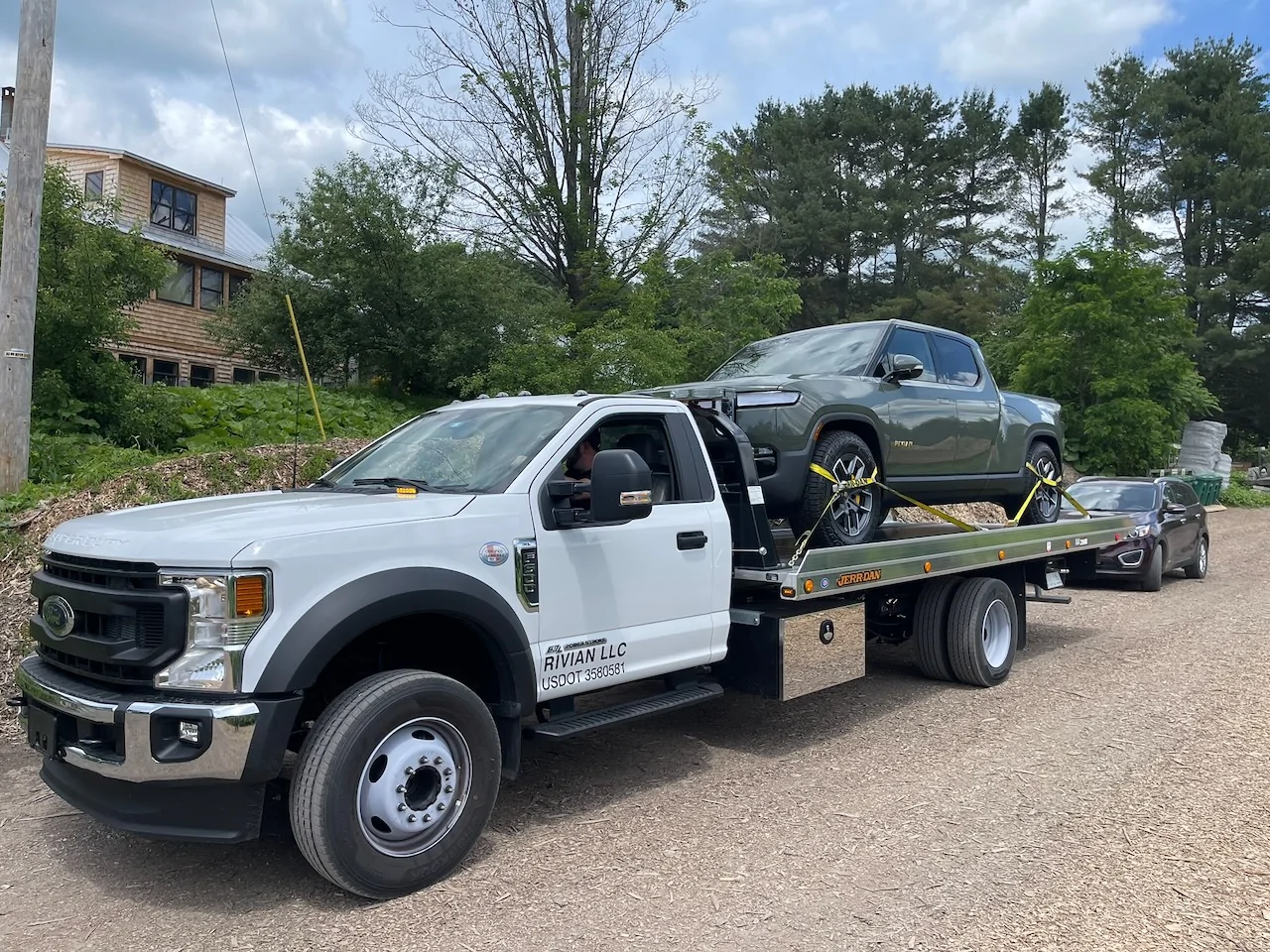
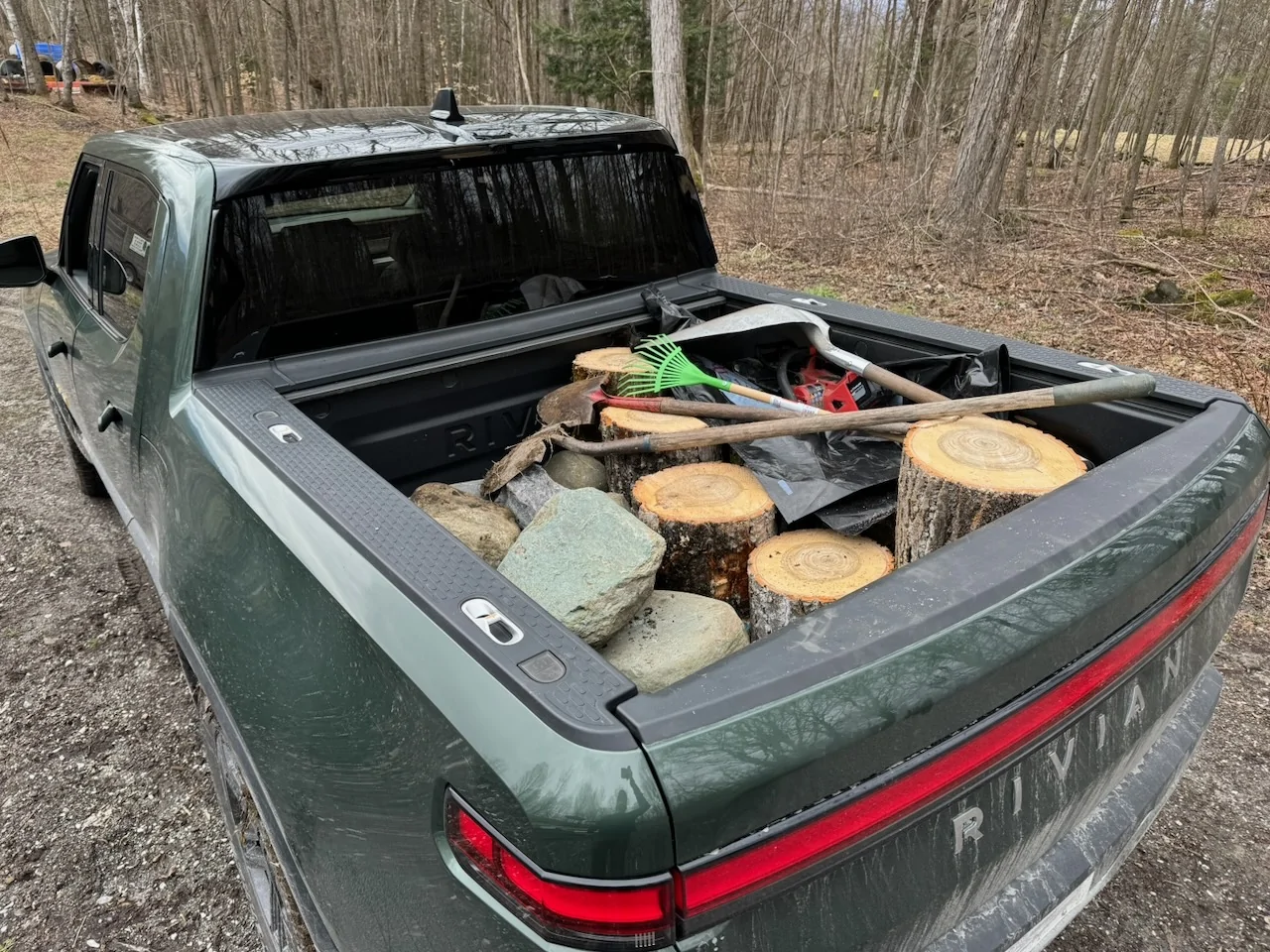
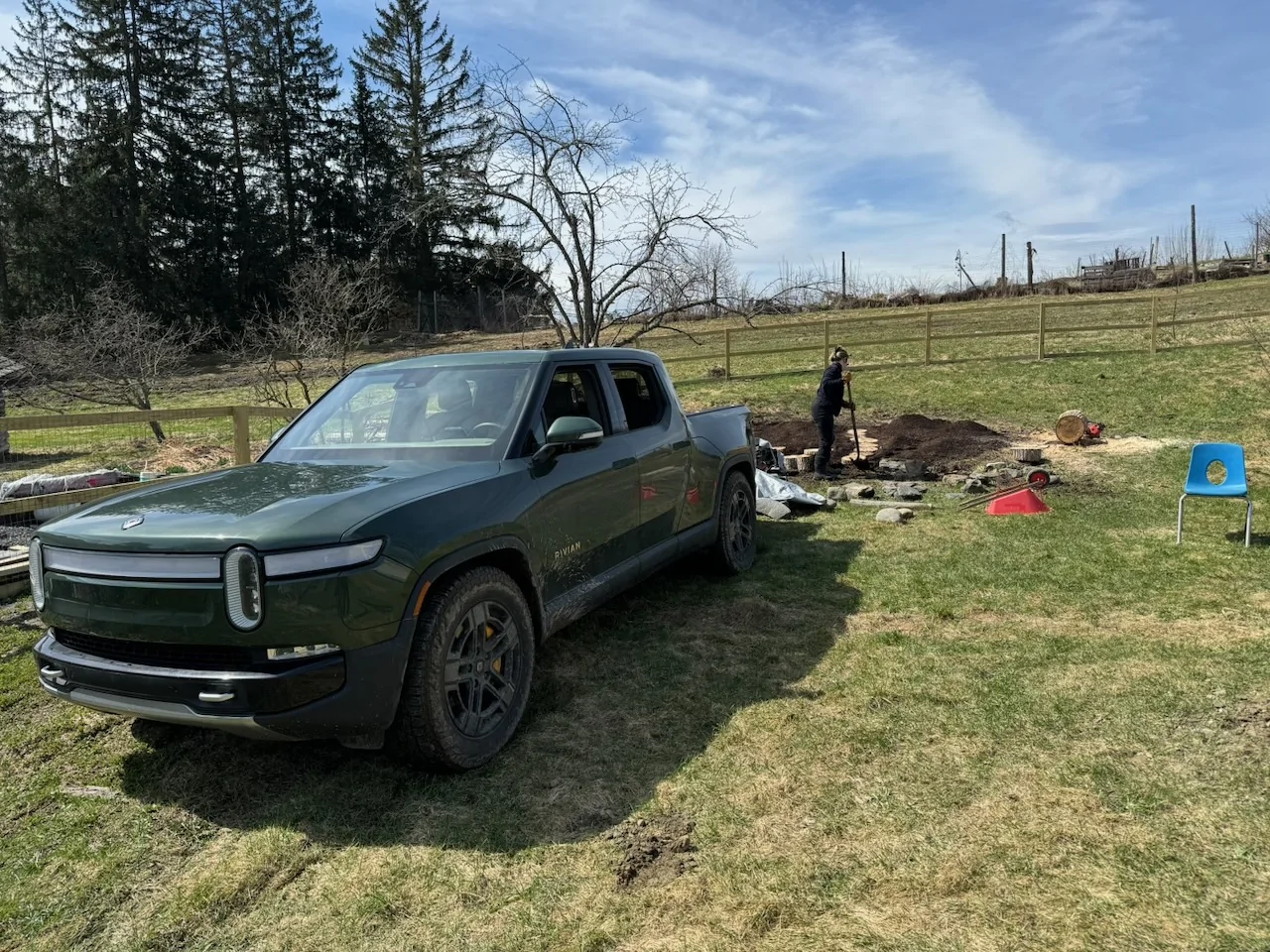
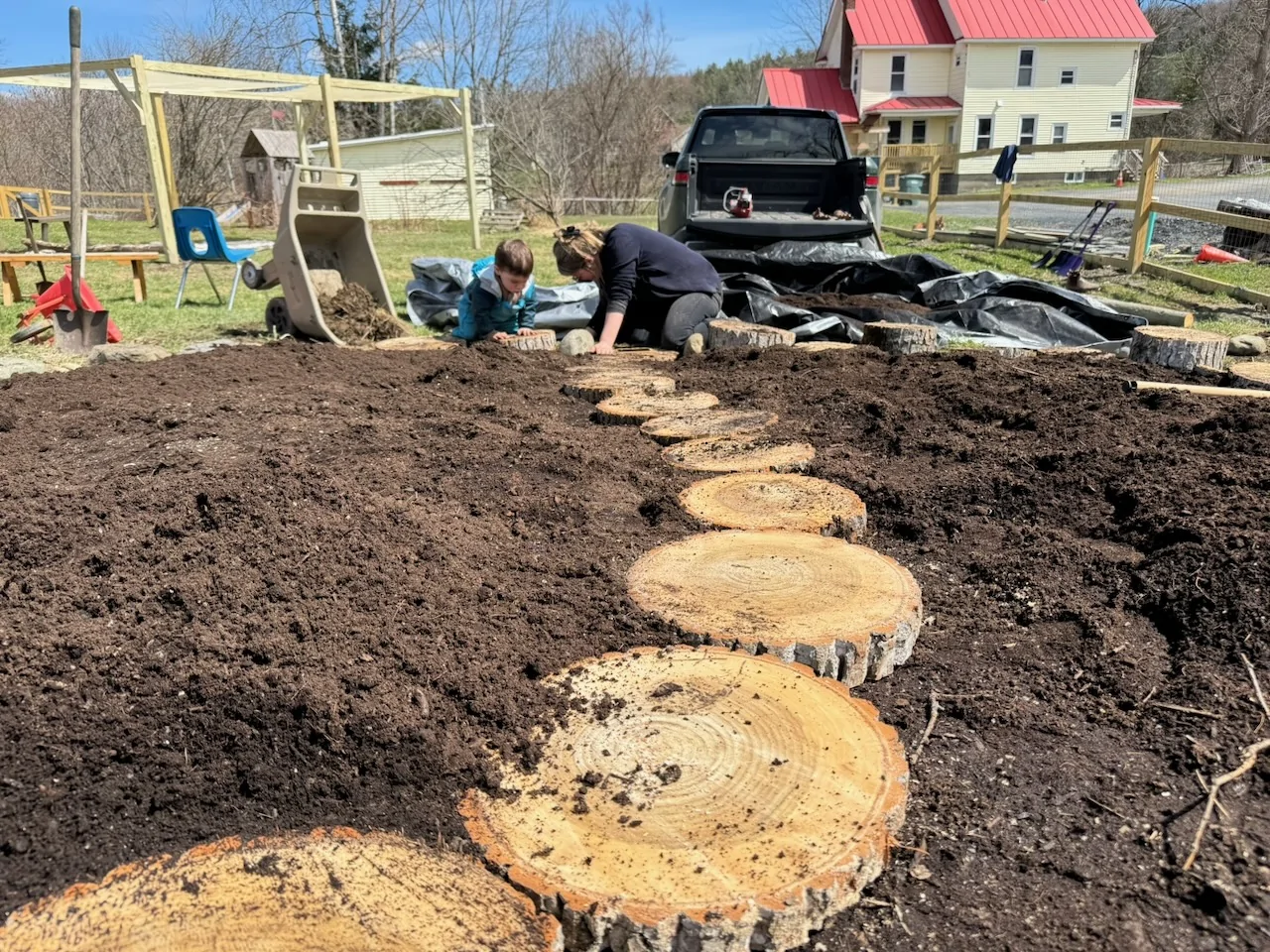
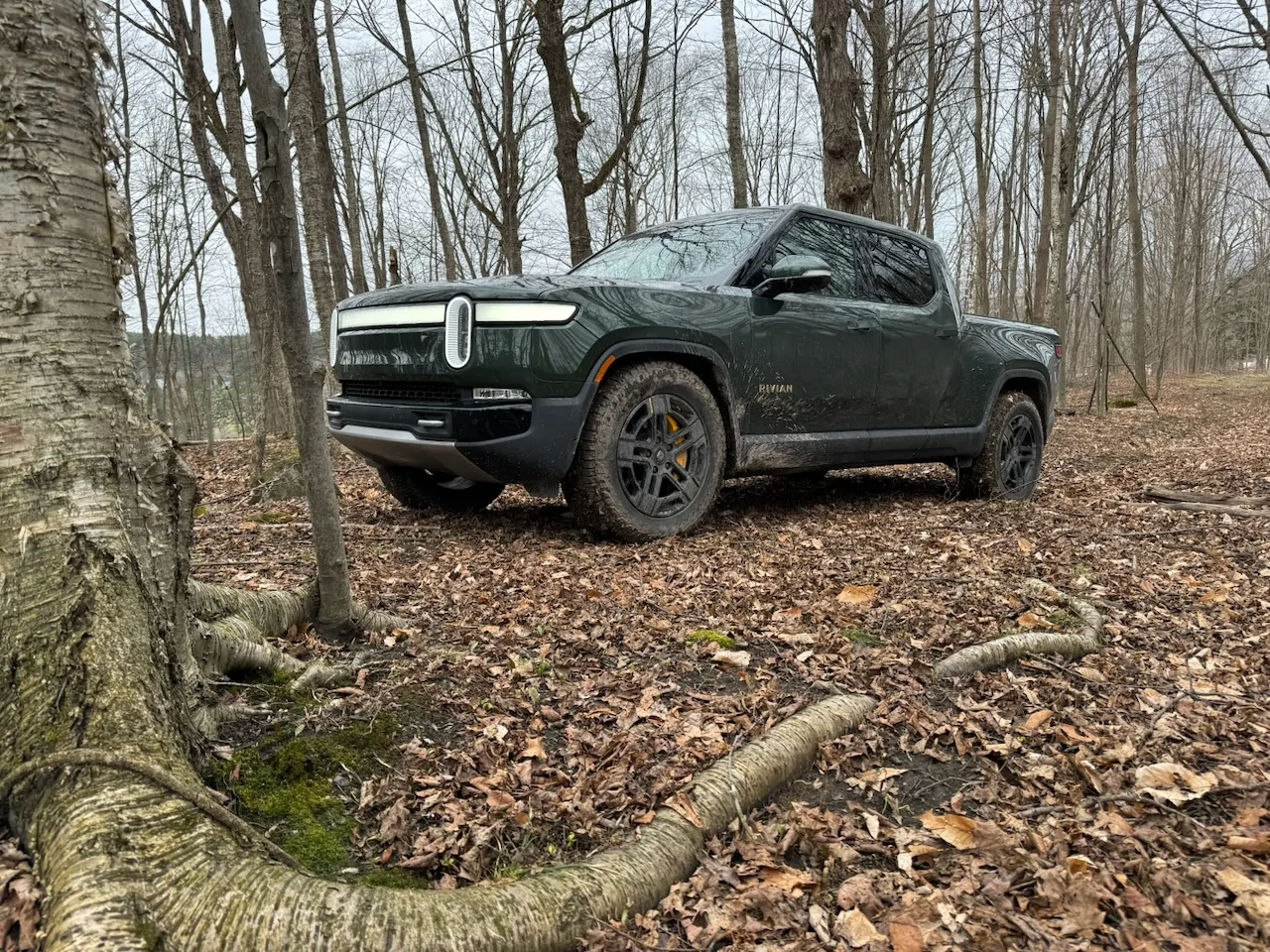
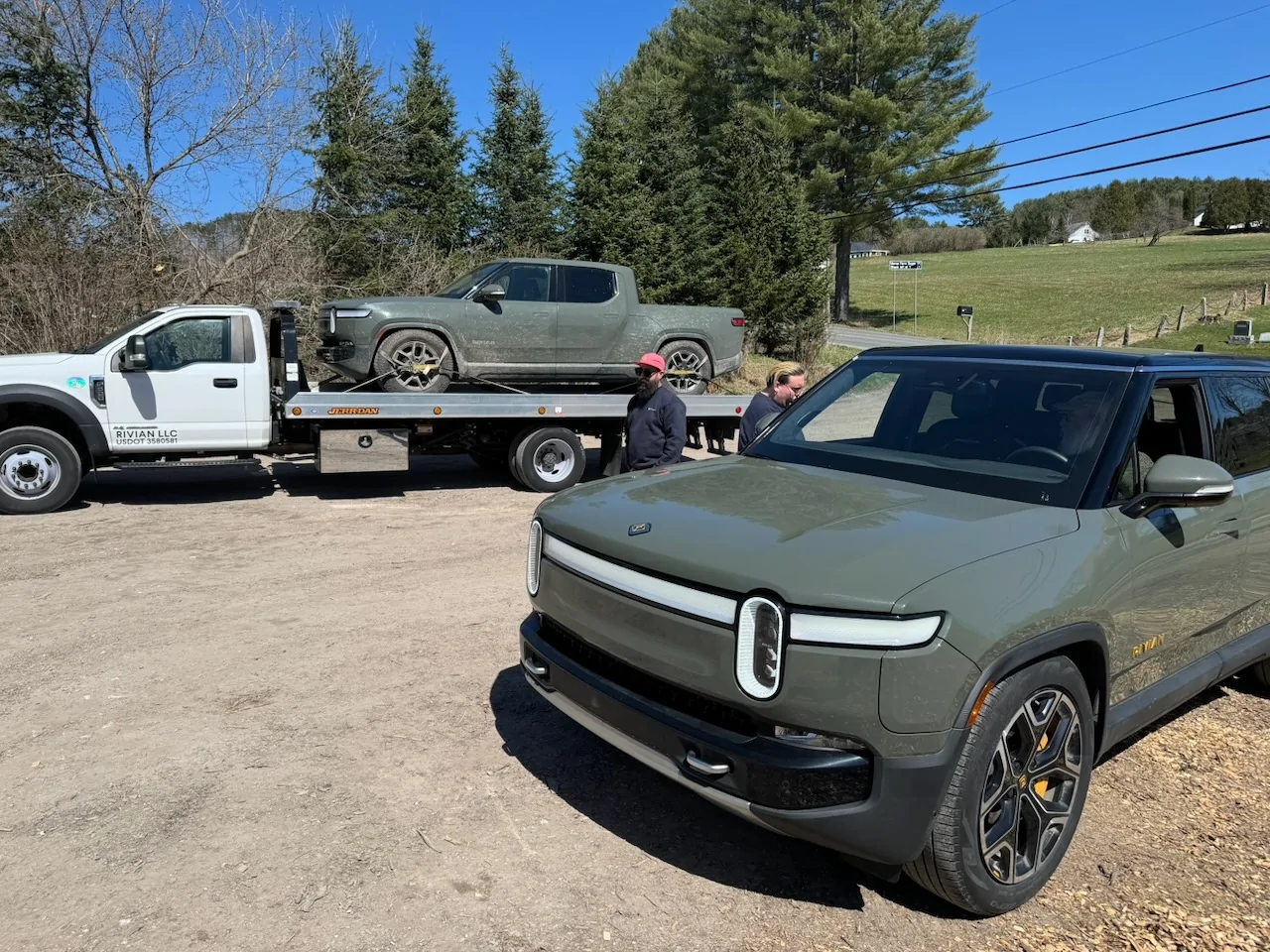
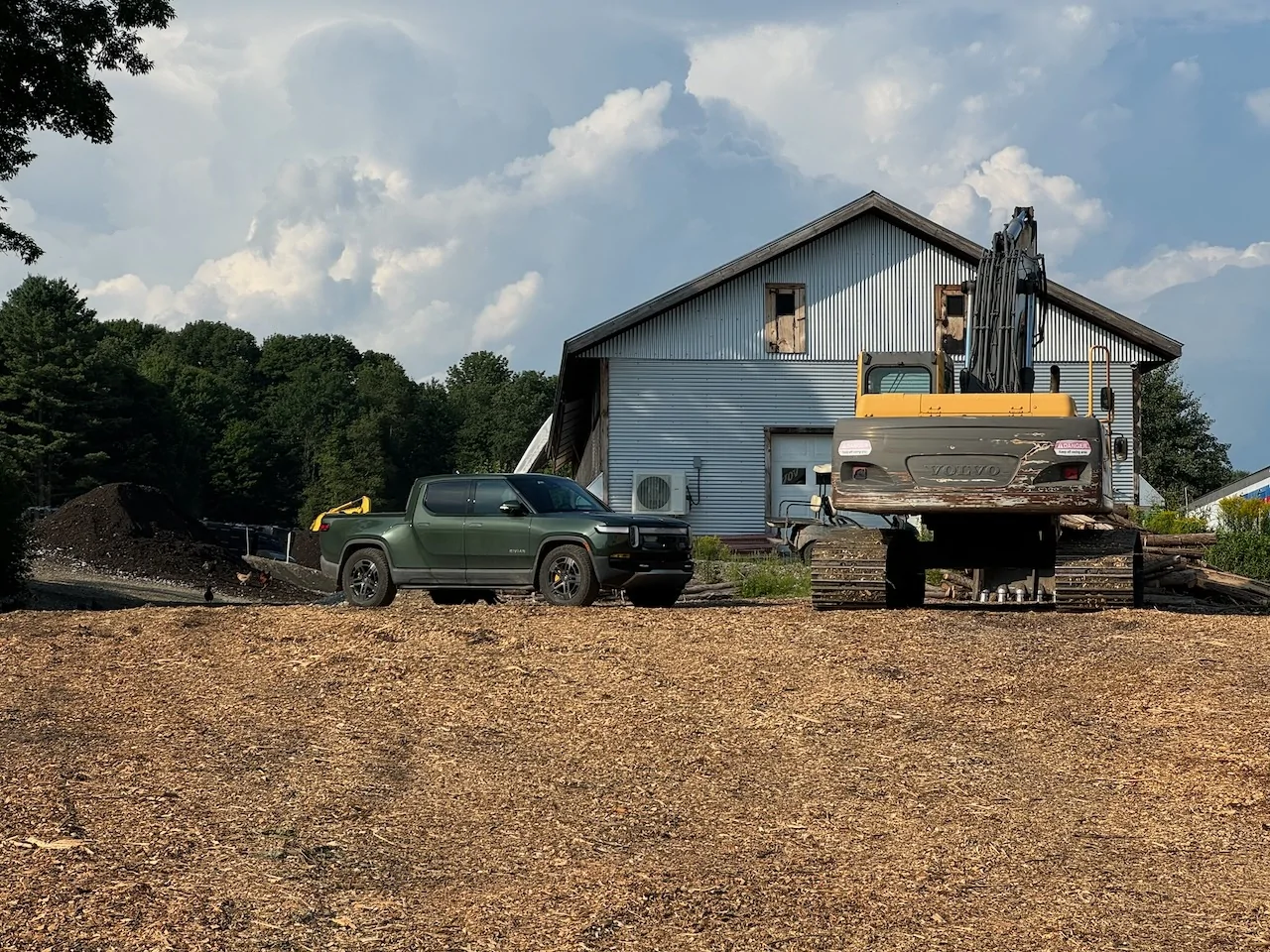
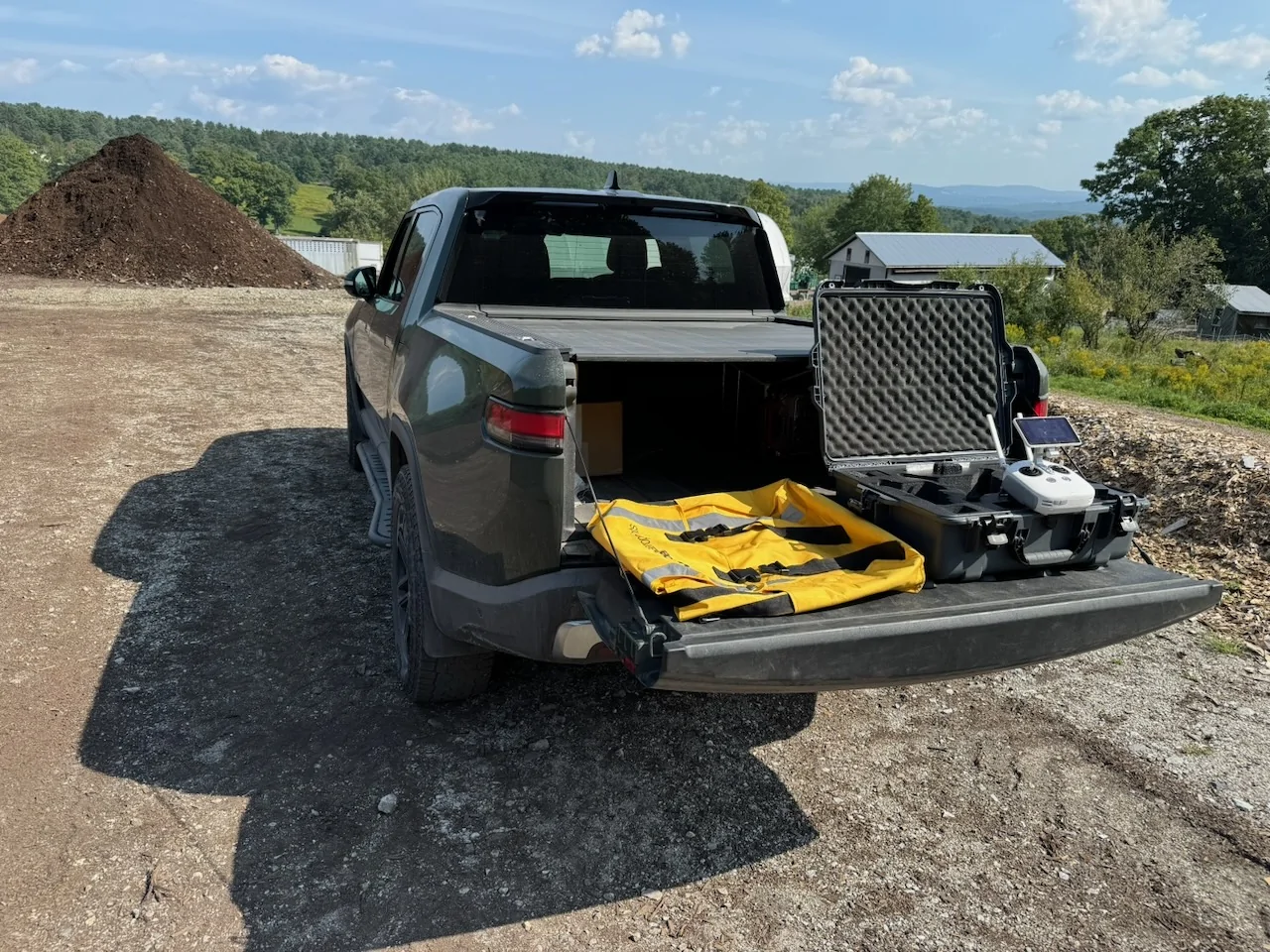
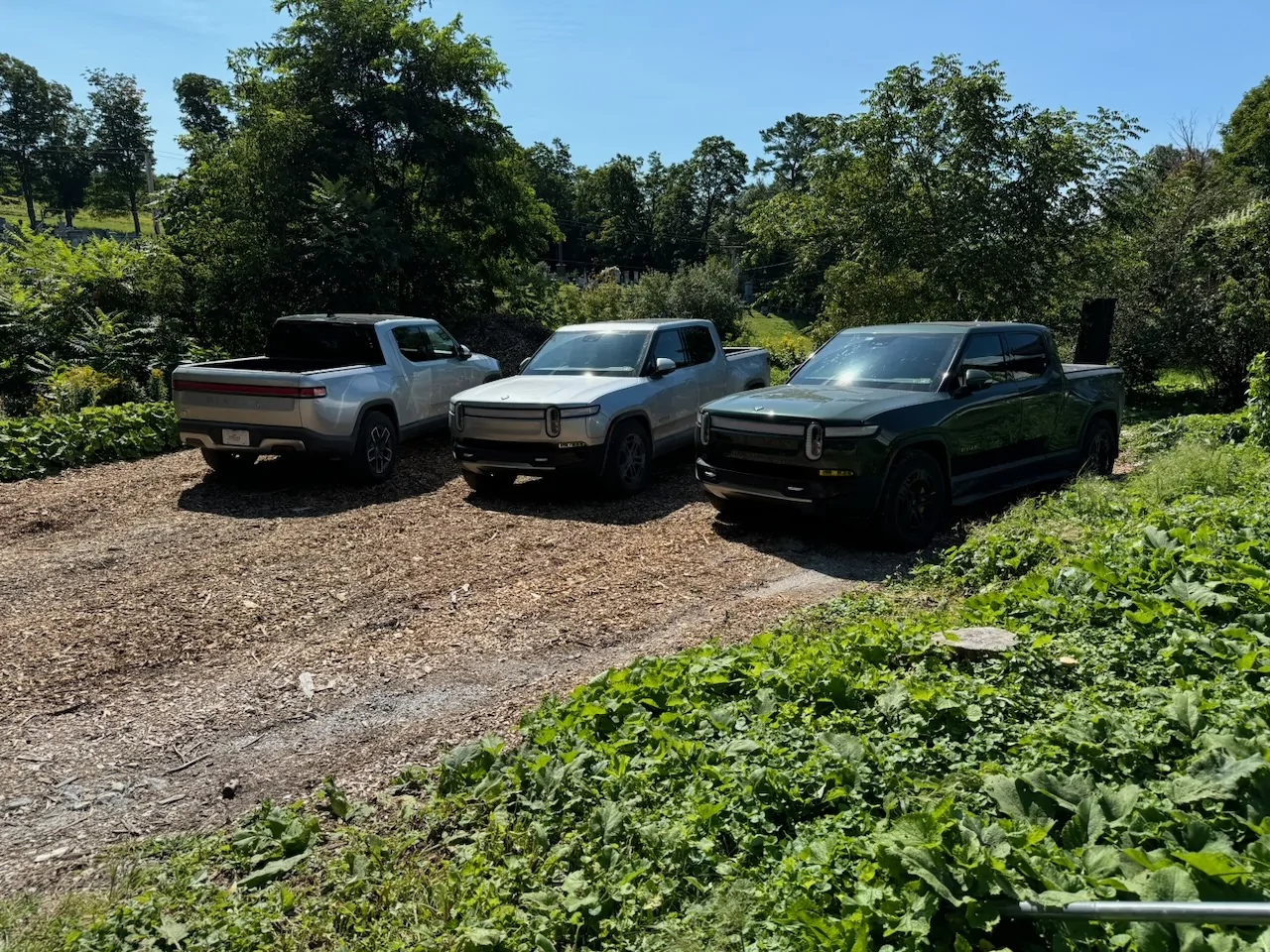
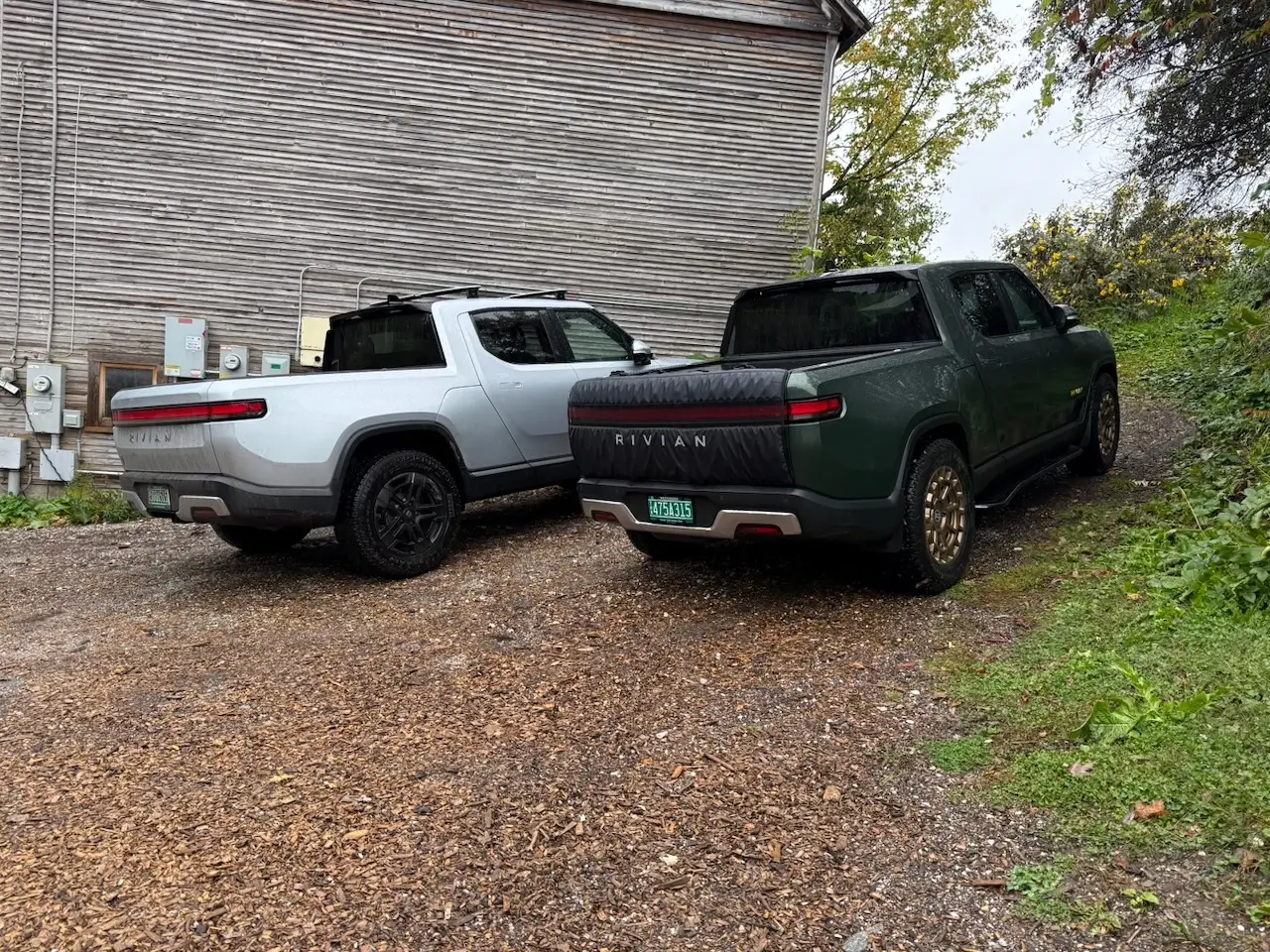
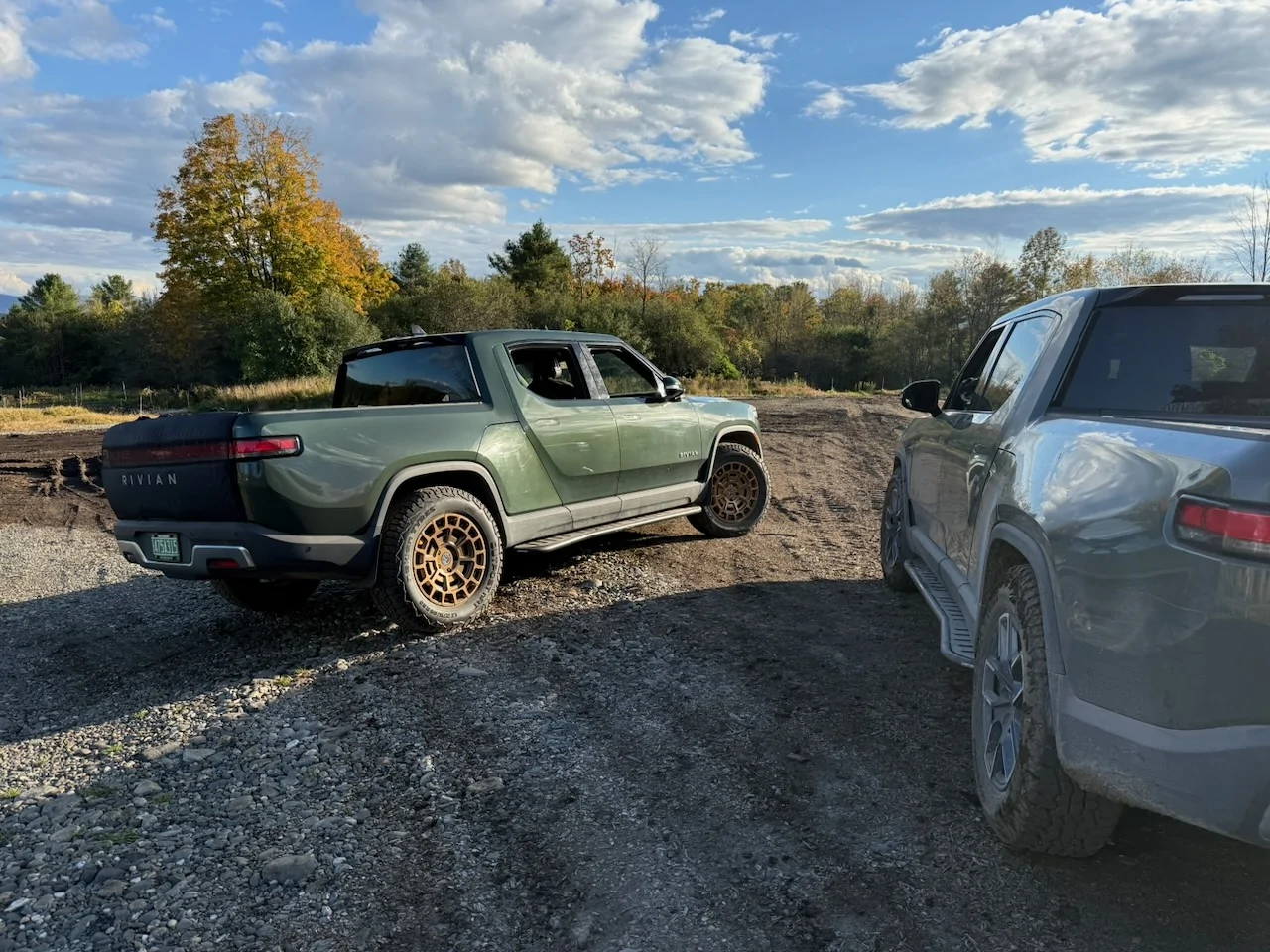
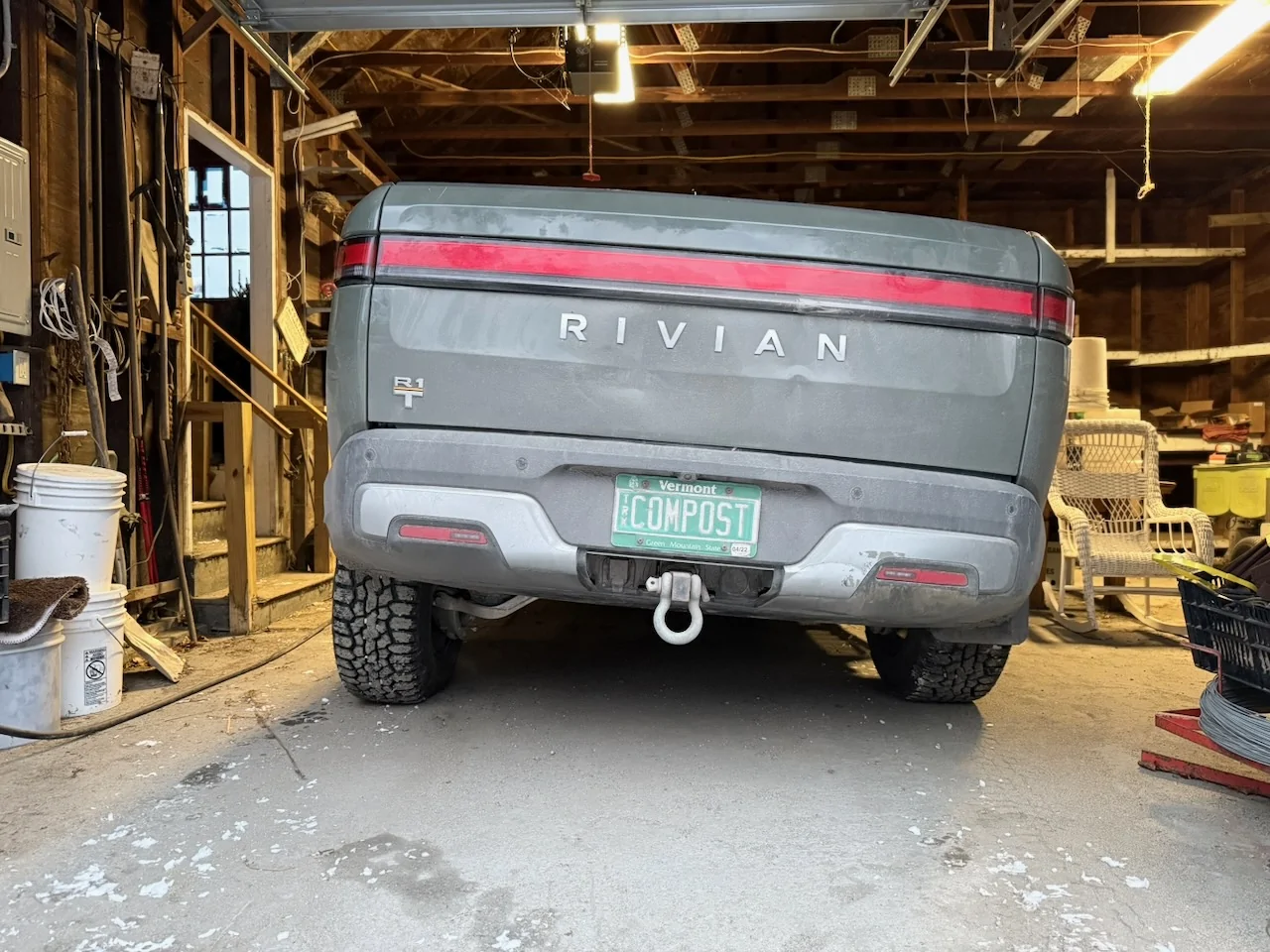
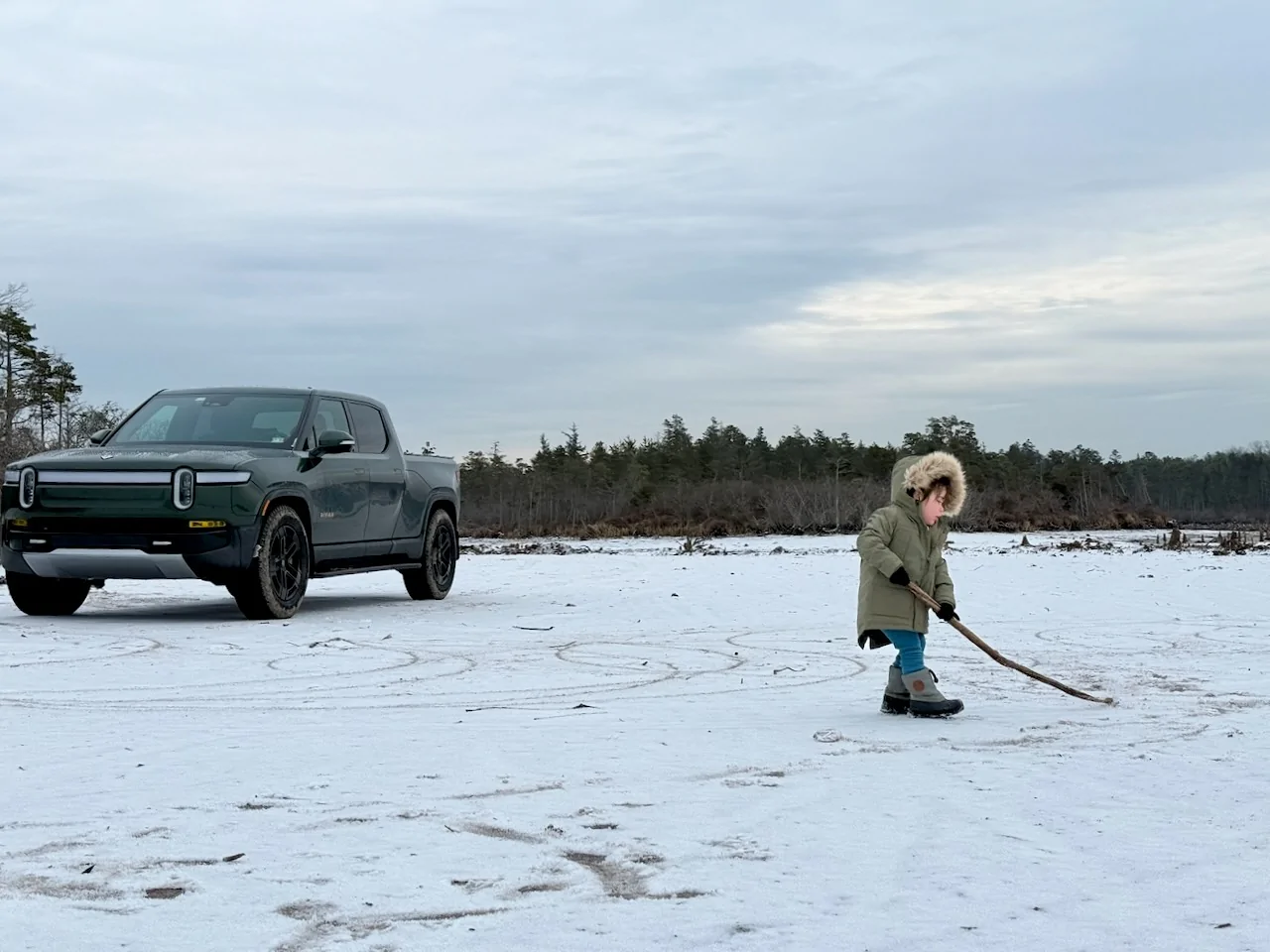
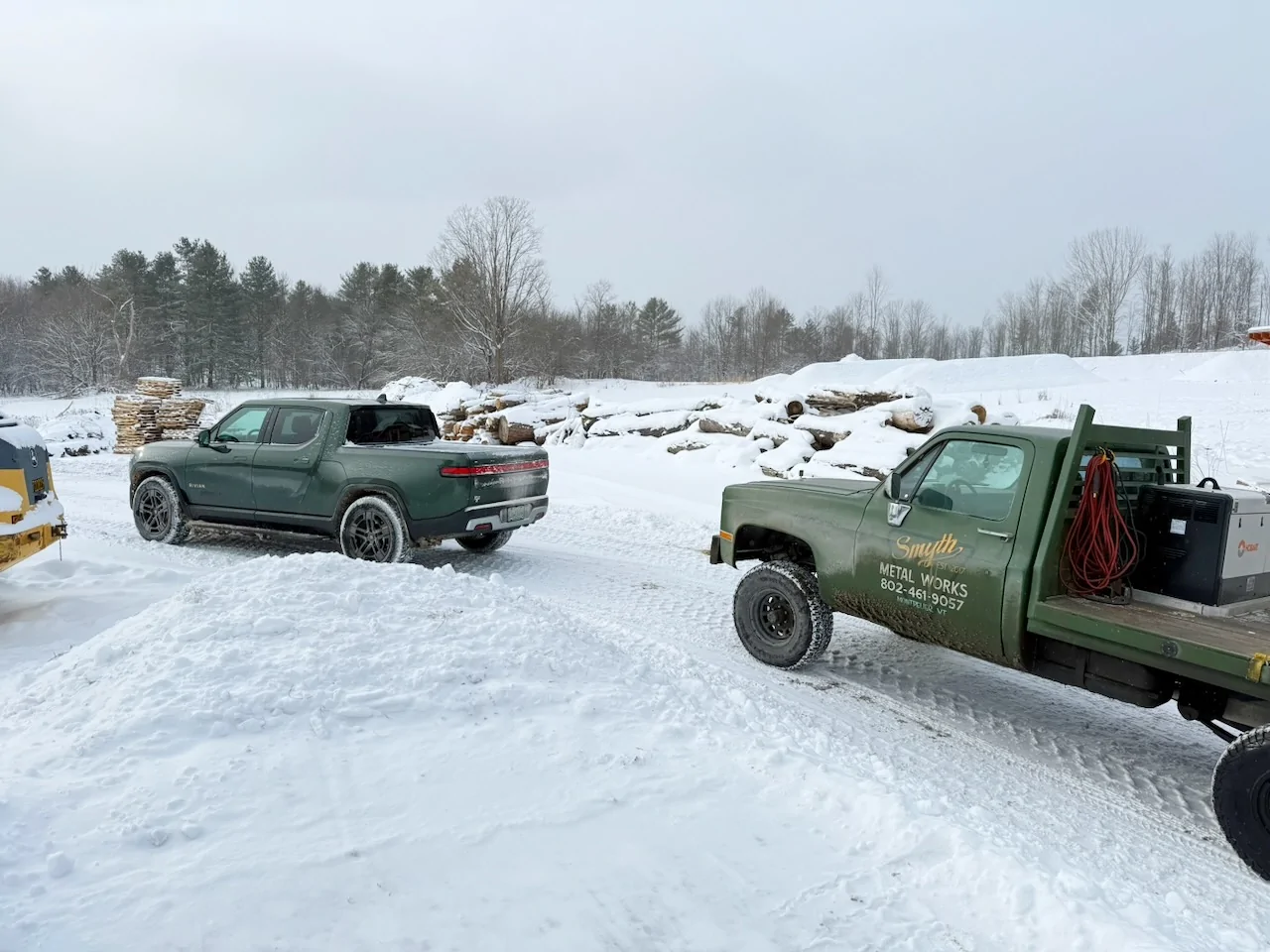
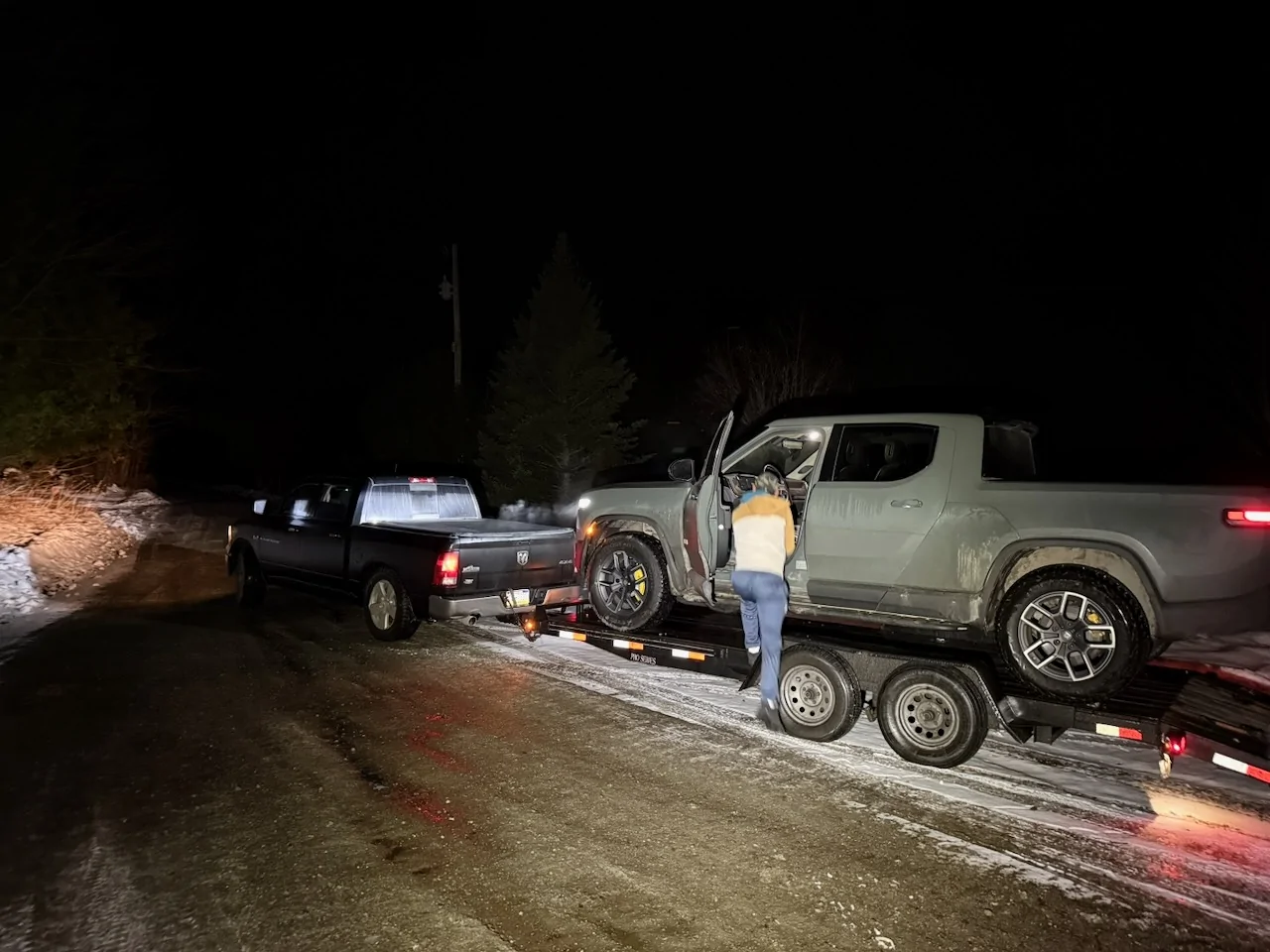
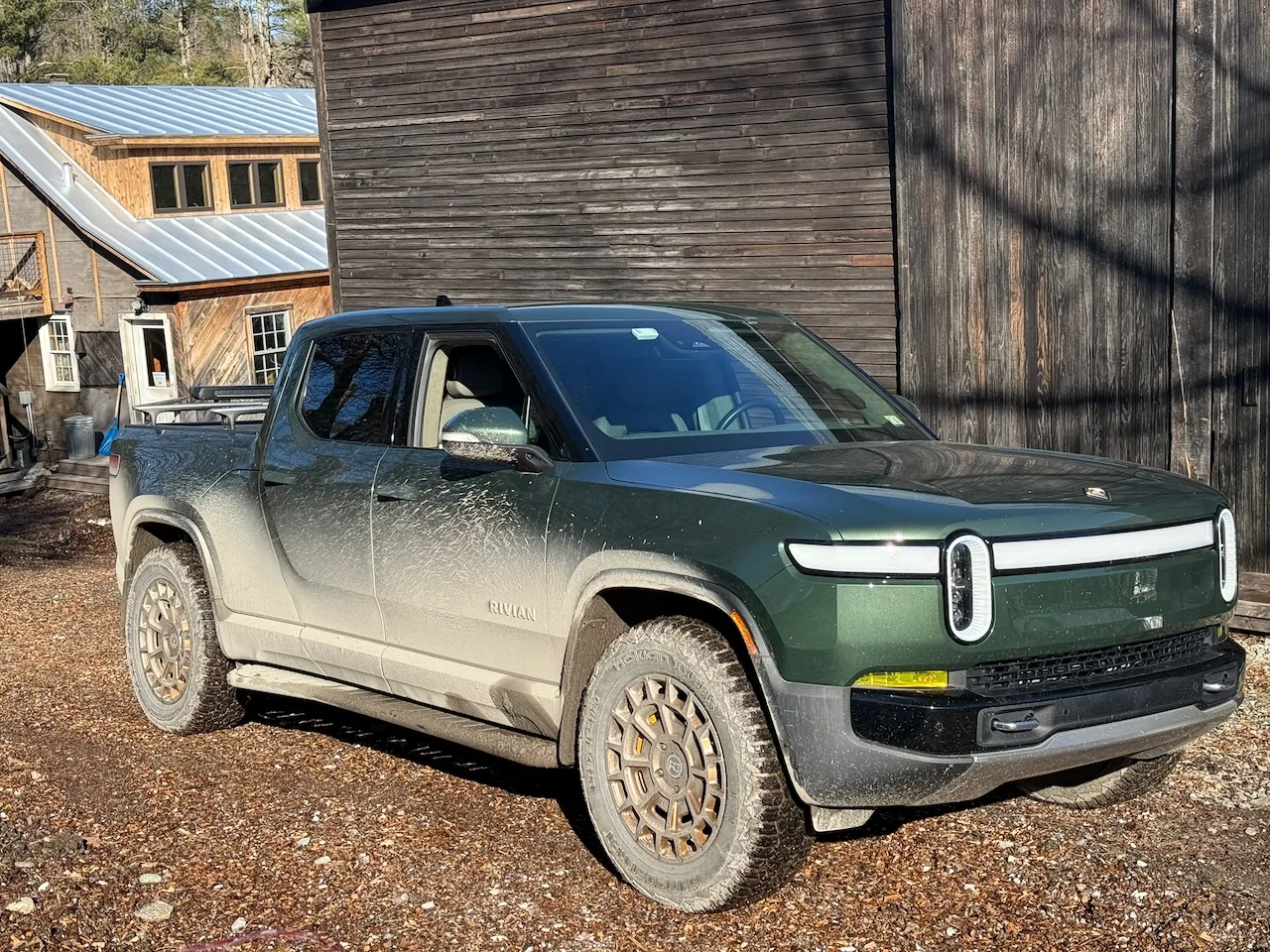
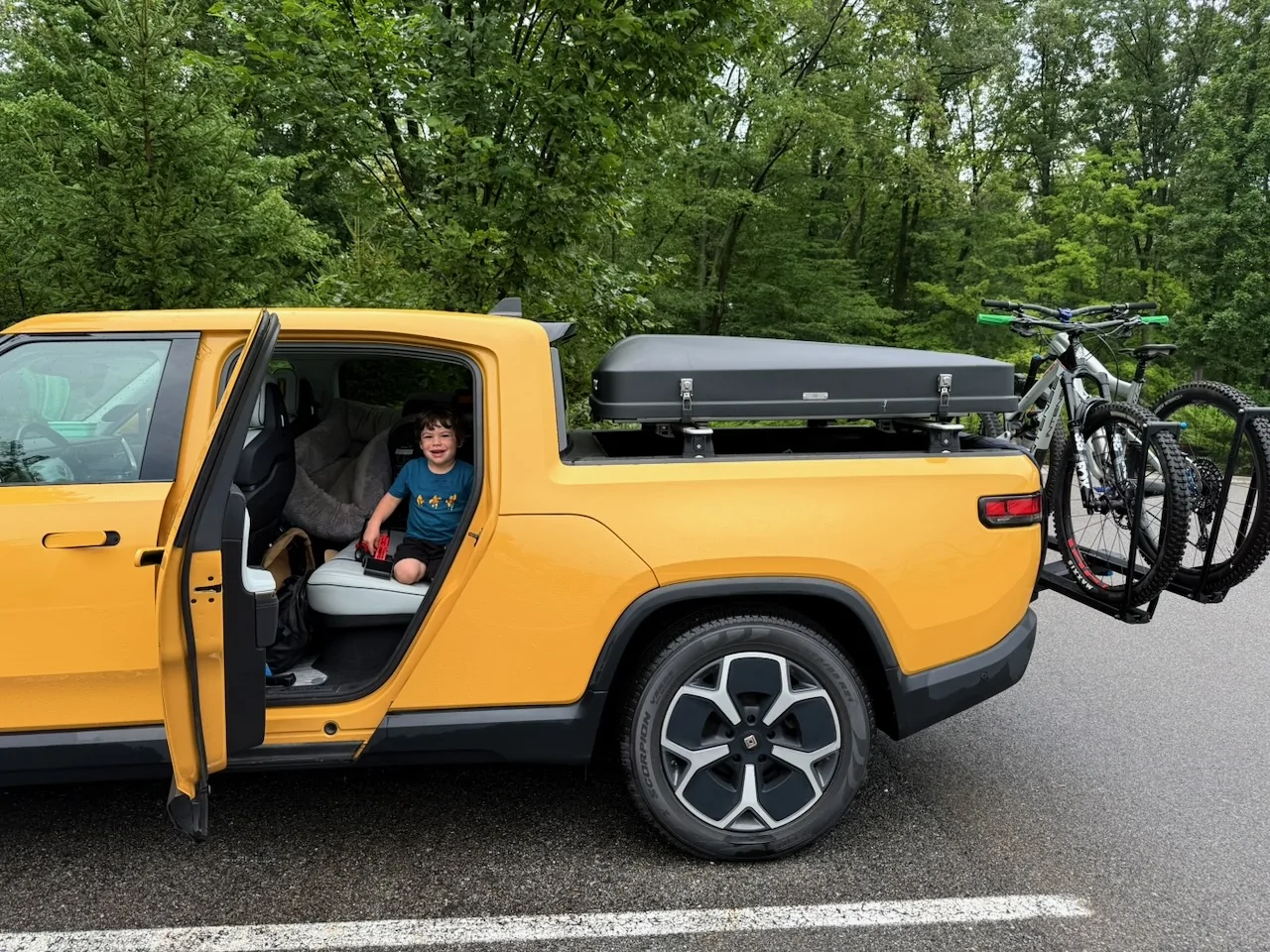
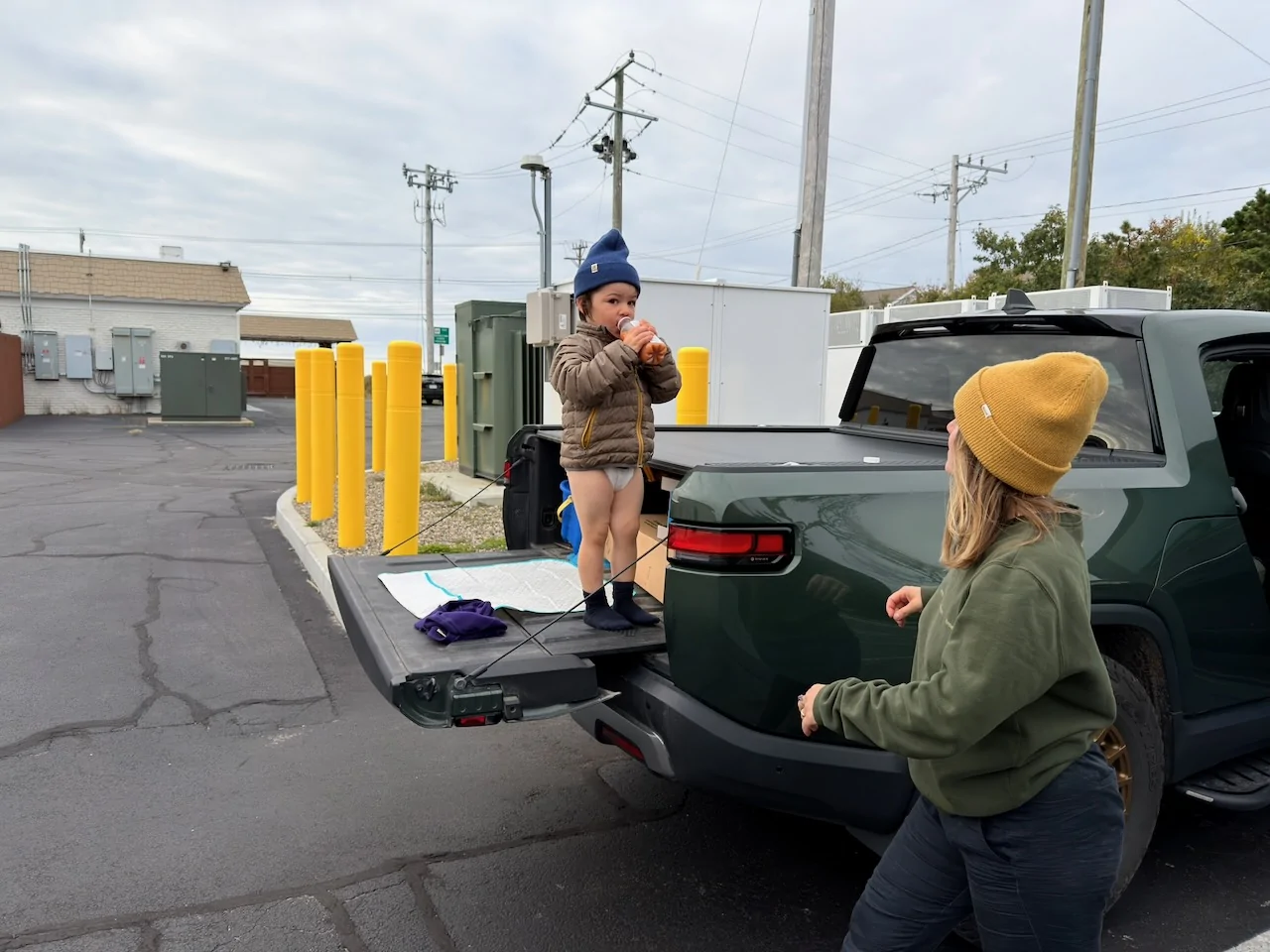
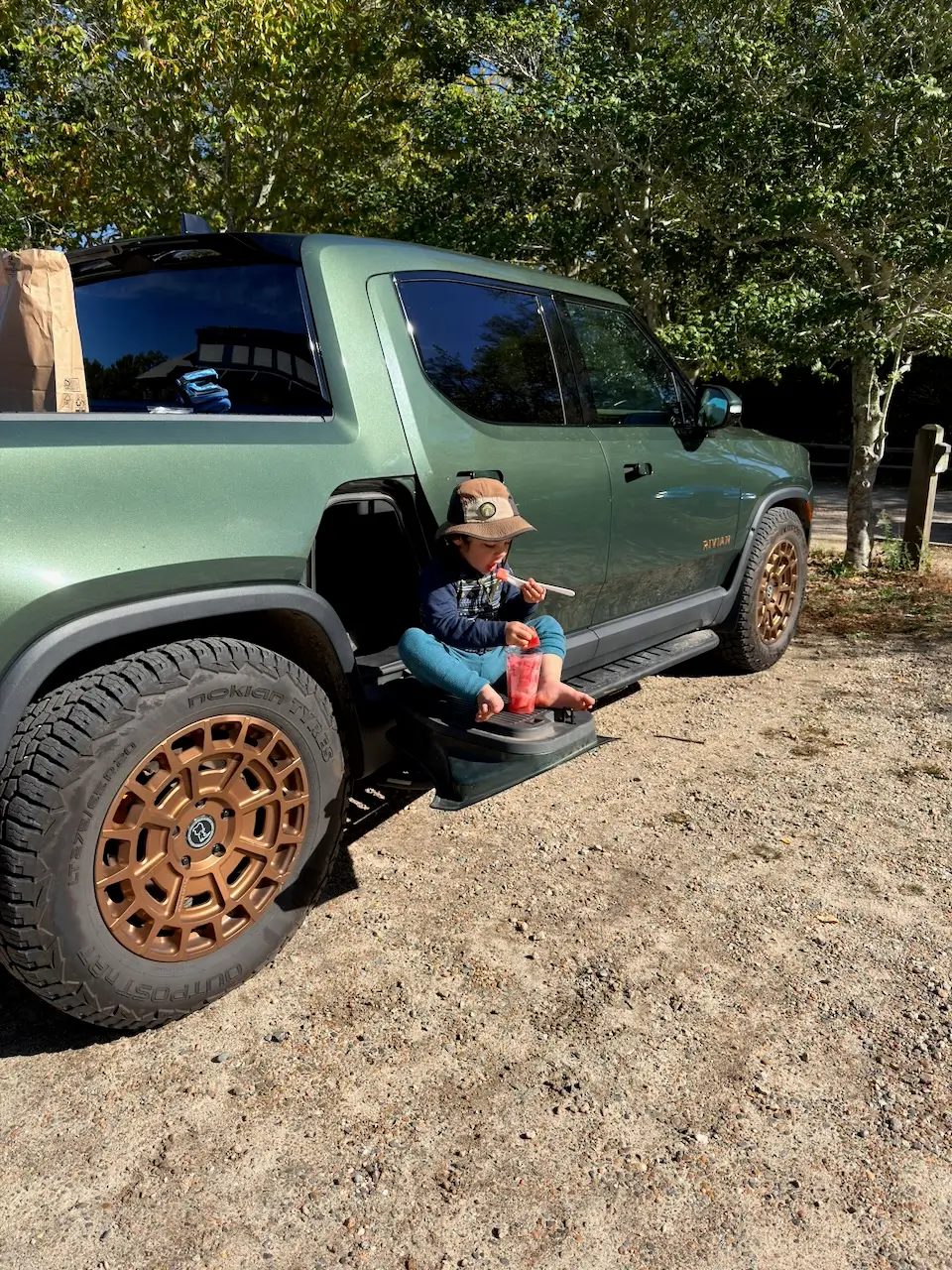
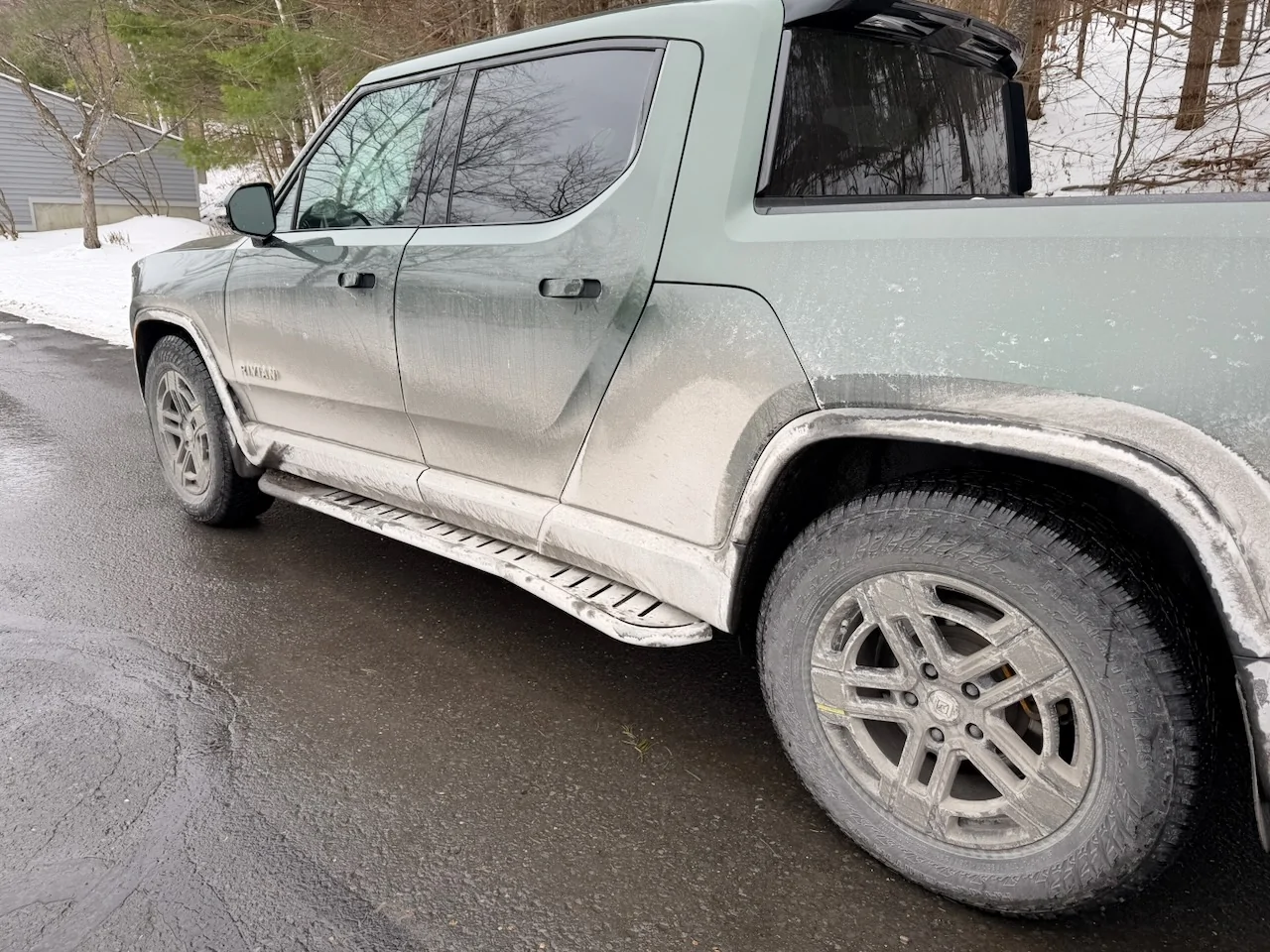
And now (a little more than a few) from along this journey to lighten the mood... featuring a few of the various (brightly colored) loaners we've had along the way. Stay adventurous they said. Little did we know exactly what kind of adventure we were embarking on. We knew we'd bleed being on the cutting edge, but I didn't know how much blood would be involved.

1.webp


2.webp


3.webp


4.webp


5.webp


6.webp


7.webp


8.webp


9.webp


10.webp


12.webp


13.webp


14.webp


15.webp


17.webp


18.webp


19.webp


20.webp


21.webp


23.webp


24.webp


22.webp


26.webp


27.webp


25.webp


28.webp


30.webp


29.webp


31.webp


33.webp


34.webp


35.webp


36.webp


37.webp


38.webp


39.webp


40.webp
Wow, appreciate the time, effort and honesty in this article. As a R2 reservation holder, and considering an used R1T (second edition) in the near future, my largest concern for these vehicles is reliability and service costs. Just what I was looking for. Again, much appreciated.
 

Husky

Well-Known Member
First Name
Dave
Joined
Dec 8, 2023
Threads
0
Messages
113
Reaction score
139
Location
New Hampshire
Vehicles
Genesis G70, Porsche 997.2, BMW E36 M3 sedan
Occupation
Retired EE
I will admit, I have been cautiously optimistic about my gen1 R1S. I have had 3 service visits in 3 years. Steering wheel replaced for a bad sensor, and HVAC (wet floorboard) replaced twice, they also replaced 12v battery twice. RivianCare pricing will determine what I do out of warranty. Crazy that I paid 75k and my trade-in is 60k. This also makes the r2 very tempting. But I am curious about the elusive r2 tri.
Impressive! That held it's value very well.
 

iansriv

Well-Known Member
Joined
Feb 12, 2022
Threads
20
Messages
2,828
Reaction score
3,856
Location
US
Vehicles
R1S
I debate this currently myself. We very much were "believers." My father reserved his in 2018, and I got mine as soon as Demos became available. For my truck, I may try to hold out (and perhaps get extended warranty to buy more time) for Gen 3 and Scout. At this point, I hope there will be some other midsize electric offerings, though that's not looking promising.

It probably fits within Einstein's definition of insanity to even consider another Rivian, but I do hold hope that they are improving their hardware and that early Gen 1 is likely a low point from a reliability standpoint. I hope that by Gen 3 they significantly improve suspension compenentry quality and design to withstand more daily use. We shall see... And with 44k miles, I'll have to make a decision within the next year or so whichever way I go (for my truck, anyway).

For our employees, there's just about no way we will get more Rivians for our two employee trucks (or any of our other EVs we provide other employees, though I might consider R2 depending on how reliability pans out with early owners).
Thank you for taking the time to write this. My R1S is almost 3 years old with about 25k miles. I love the car and am a Rivian fan. It has been mostly trouble free. Took it in for the regular service in April and they replaced one of the half shafts. Then mobile tech came to replace the 12v battery and said I need to take it to the SC because of a clunking noise. The SC visit resulted in another half shaft replacement. This is nowhere near what you have experienced but I'm spoiled by my history of trouble-free cars. All the best.
 

rchartson

Active Member
First Name
Reid
Joined
Mar 15, 2024
Threads
0
Messages
27
Reaction score
13
Location
San Antonio
Vehicles
R1T, Lucid Air GT
Occupation
Retired MD
Clubs
 
had mine in for unrelated issue...leaking dampers dammit....you're right-its silent had no idea. Ive got about 30K now....
 
OP
OP
onesoil

onesoil

Well-Known Member
First Name
Sid
Joined
Jun 16, 2022
Threads
4
Messages
433
Reaction score
685
Location
Montpelier VT
Vehicles
2022 Rivian R1T
Occupation
Director of Operations at Vermont Compost Company
Clubs
 
All you needed is this line.
  • The paperwork: 41 service visits, ~205 documented days in the shop (my truck's still in it as I post this), ~90 warranty line items, ~$25,300 out of our own pockets even with full warranty coverage.
I would have been out at a fraction of that for any of those trucks, can't believe you stuck with it with multiple failures of fixed issues. If my R1T has a hint of this, I'd carava it the next day, I have a life to live.....
Yeah, probably too much patience on my part. Some combination of optimistic hope that “maybe this will be the last major thing” and the lack of suitable alternatives, or at least ones that are nearly as appealing.

In retrospect, I probably should have engaged in buyback discussions earlier. I am now engaged with an Ownership Loyalty Program Sales Manager. I have also requested escalation through the Northeast Regional Service Manager contact I have.

Depending on what they have to offer, I guess I’ll have to decide whether I think we have just been very unlucky and Gen 2 trucks may have meaningfully improved enough things to be more reliable for us, or whether (as I honestly suspect), there are too many flaws with the design/manufacturing of many critical components (mainly to do with suspension and brakes), at least in the context of our environment and use that would make owning any current Rivian R1 (even Gen 2) an exercise in Einstein’s definition of insanity… We shall see what they offer and assess options from there.

My truck’s second HVAC replacement and 12v job was just completed (after 18 days in the shop, due to them not proactively ordering HVAC components based on my diagnosis—they first misdiagnosed it until I pressed them to conduct the HVAC test in the right conditions—outdoors in direct sun, ideally on a hot/humid day). We will be bringing down a truck that has a very blown damper that was replaced four months ago. I think now is well past time to do something about it and end this madness—just not sure what that will look like yet.
 

Sponsored
OP
OP
onesoil

onesoil

Well-Known Member
First Name
Sid
Joined
Jun 16, 2022
Threads
4
Messages
433
Reaction score
685
Location
Montpelier VT
Vehicles
2022 Rivian R1T
Occupation
Director of Operations at Vermont Compost Company
Clubs
 
You have way more than enough material to easily win a lemon law case. We successfully lemon law’d our Kia EV6 just after frying its ICCU twice. You’ve been very kind to Rivian and you have an impressive amount of patience.
I went through a buyback on a 2022 Ioniq 5 that had a failed ICCU for over two months (I couldn’t AC charge that whole time, and our CCS DCFC infrastructure was much more limited at the time around here, so that really sucked… way too much time spent sitting at the Hyundai dealership charging at ~90kW which was the fastest option).

Technically corporately purchased vehicles are not covered under VT lemon law protections (I may edit this out so as not to tip off Rivian in case they are not aware of this). I proceeded as if that wasn’t the case and apparently Hyundai didn’t seem aware of this, because after at least four months (maybe more, I can’t recall) of very frustrating negotiations (mainly due to all the waiting and having to prod them for answers), we were eventually refunded all our money minus the some accounting for miles driven the year we had the thing. They used VT’s lemon law formula to determine this sum that was taken out of the refund, which included the vehicle we traded in and all of the monthly payments (less the allotment for mileage driven).

The payback was substantial since we made the silly move of trading a $20k+ vehicle in on that lease (it was peak covid car pricing/lack of availability, plus we hadn’t leased in a long time and didn’t remember that it’s generally not a good idea to drive payments down with a trad on a lease and we just wanted out of the early Model S at the time—another service nightmare—that was just
coming off warranty, so we went with convenience and a small monthly payment). At the time I was very glad we got out of the Ioniq when we did since we got it at the worst time from a pricing perspective, and it had already depreciated immensely in the year we had it. I turned the Ioniq in right when I purchased the second R1T (2022 Demo Quad that I drive). Out of the frying pan and into the fire as it turned out, but at least I enjoy
the vehicle a lot more. We have subsequently leased a 2025 Ioniq 5 XRT for another employee that has been (knock on wood) pretty much pain free.

I think I’ve been avoiding this in part due to the painful experience of negotiating the buyback with Hyundai… multiplied potentially by four, given that I’ve assumed each vehicle would require its own negotiation.

But rather than assume, I have now started the conversation on multiple fronts—an Ownership Loyalty Program Sales Manager and the Northeast Regional Service Manager. Both have assured me they are kicking this well up the chain to see what can be done to make this right, and I expect to have some meetings next week. We’ll where that gets us…
 
Last edited:

Parsival

Member
First Name
RC
Joined
Jan 12, 2026
Threads
0
Messages
11
Reaction score
15
Location
Orange County, CA
Vehicles
2022 Rivian R1T Adventure
Clubs
 
The OP has some harsh truths about owning a Rivian and this is the biggest case to have some extended warranty to hedge ownership cost in the long run. However, reading through the collective responses seem to be hopeful in that the OP seems to have more problems than most. An undeniable theme is failed suspension, failed 12v battery and HVAC issues.
 
Last edited:

Fmc

Well-Known Member
Joined
Sep 23, 2021
Threads
77
Messages
445
Reaction score
558
Location
Louisiana
Vehicles
2010 wrangler, 2023 R1S
I know gen1 early adopters got a good value at purchase. But it appears Rivian will get their 20k+ and more over the life of these vehicles. My plan has also been 10 years of ownership then an r2 or r3 unless someone else makes a compelling vehicle in the next decade. (Watching Hyundais autonomy investment)
 

Kaiju

Well-Known Member
Joined
Aug 18, 2024
Threads
2
Messages
146
Reaction score
261
Location
Texas
Vehicles
R1T
This is a great thread. I wish it'd get the attention of people at Rivian.

I'd like to say my experiences were different, but they haven't been. My gen 1 has clocked similar 70+ day times in service, though over a far shorter time frame. I bought a high vin gen 1 hoping the kinks had been worked out. Definitely didn't pan out in my favor there. I've been equally frustrated with the service apparatus.

Personally I think my local SC has been trying to push issues under the rug because I have never gotten a single post-service survey for me to report problems and I've caught them damaging stuff on my truck more than once. Not little stuff like scratching my wheels, though that happens. They broke my bumper and didn't say a word. I'll give it to them they fixed it after making me come out there again and leave it for a few weeks, but...really? You definitely understand how frustrating it is trying to talk to anyone above an SC manager about problems related to a service center that they aren't solving themselves. You've definitely got to be assertive if not aggressive to keep from being run over and I honestly don't like having to be a dick about it to keep from getting brushed off.

I live in an area where Rivians are still rare and without making any active effort to shame the brand I can't hide the fact my truck is missing for weeks. I get asked what happened to it. To those people it may as well be radioactive at this point. Zero sales will be sparked by anyone within its historic light cone.

So much of it is an own goal too. I'm fairly sure that most of my days in service has been sitting there waiting to get looked at and then waiting for parts that aren't stocked. Something that could have taken one or two days to fix turns into three or four weeks, even if that appointment was made 6 weeks before it's dropped off. From what I understand from expressing my frustrations with employees, Rivian's systems won't allow an SC to schedule its own work to avoid those problems. Every vehicle gets the same time blockout and they can't control what's coming in, so difficult jobs create a pileup. That seems to be very much some techbro mentality at work. I also don't get why a brand with (until recently) two models with identical drivetrains couldn't stock parts locally.

I feel similarly conflicted on keeping mine because I've also had a bad time, but there's nothing else like the R1T. At least not yet.
 

Sgt Beavis

Well-Known Member
First Name
Rick
Joined
Sep 28, 2021
Threads
79
Messages
2,131
Reaction score
4,550
Location
Colorado
Vehicles
2022 Rivian R1T, 2021 Jeep Wrangler Rubicon
Occupation
Overpaid Computer Nerd
Clubs
 
I’m curious how folks are burning through brakes so much. I drive through the Rocky Mountains and I almost never touch my brake pedal. I’ve never had to replace a pad on any of my three Rivians.
Sponsored


Top