
emoore
Well-Known Member
Just because you can do it, it doesn’t make it safe. I wouldnt charge at 48 amps on a 50 amp breaker. Just playing with fate.
Sponsored
Just because you can do it, it doesn’t make it safe. I wouldnt charge at 48 amps on a 50 amp breaker. Just playing with fate.

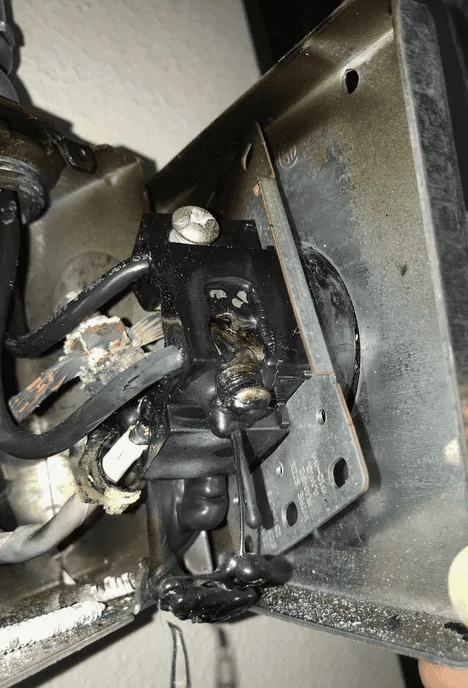
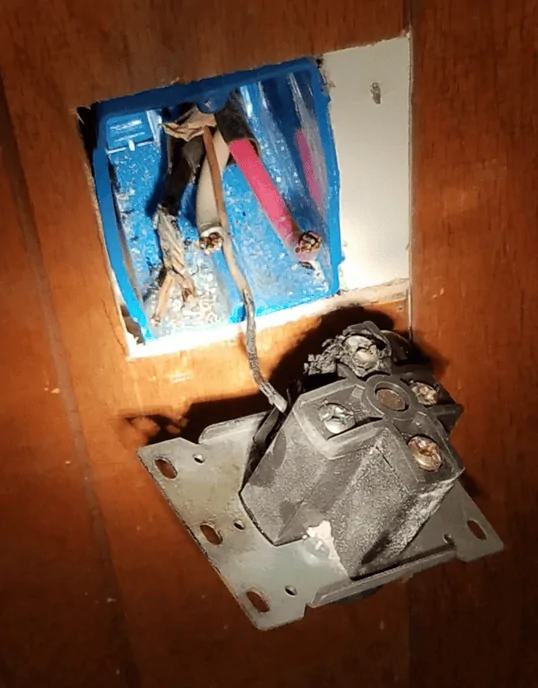
Yeah, NEC establishes the codes based on extensive test data and science. Sometimes it seems overly conservative. But sooner or later an edge case occurs, and that's where it makes the difference between safety and a fire. Pictures like this should be enough to prove the point.Just because you can do it, it doesn’t make it safe. I wouldnt charge at 48 amps on a 50 amp breaker. Just playing with fate.

I’ve had four power outages since July ranging from 10 hours to over three days.Why in the world would you charge an EV with a portable generator at home? Defeats the purpose of an EV.
Yeah that sucks. Mine is pretty reliable and only getting better. Ever think about solar with battery backup?I’ve had four power outages since July ranging from 10 hours to over three days.
There is very limited public charging infrastructure near my house, and what there is is often not working, especially in the aftermath of a storm with widespread outages in the city.
I’ve contracted an electrician to install a large, fixed generator, but they are several months out on installations due to demand.
.
that portable generator has the capacity to charge the Rivian enough to support my normal driving, as well as my critical house loads indefinitely, along with a portion of the HVAC. The fixed generator will run the household but not support level 2 charging of the Rivian at the same time.
The reasons are debatable, but the electric grid is increasingly unreliable. We used to literally go -years- between outages, now losing power for half a day or more occurs at least once a month.

We just had a $15K Generac installed for this very reason. The grid sucks where we live and we have used the generator twice in the last two months. It powers the house the EV charger, the AC, everything. Comparable battery-based systems would have cost us 2x as much.I’ve had four power outages since July ranging from 10 hours to over three days.
There is very limited public charging infrastructure near my house, and what there is is often not working, especially in the aftermath of a storm with widespread outages in the city.
I’ve contracted an electrician to install a large, fixed generator, but they are several months out on installations due to demand.
.
that portable generator has the capacity to charge the Rivian enough to support my normal driving, as well as my critical house loads indefinitely, along with a portion of the HVAC. The fixed generator will run the household but not support level 2 charging of the Rivian at the same time.
The reasons are debatable, but the electric grid is increasingly unreliable. We used to literally go -years- between outages, now losing power for half a day or more occurs at least once a month.


At least with the Rivian charger and the Chargepoint home flex the terminals can receive at most 6 ga wire. I believe they both also say to only use Cu wire. So short answer appears to be no.So help someone that has very little knowledge of wiring. The knowledge I have about wiring is limited to.. I made sure my house was wired in copper and not aluminum when I bought it.
The electrician I talked to about getting a drop installed for when I get a charger is talking about using SER 2-2-2-4 aluminum wire.
The reason he gave is that copper wire here is in high demand due to the housing boom that is currently going on. And the cost to install copper vs aluminum will cost about double, or more.
Is the SER going to work?
Would cost 2x up front but solar panels will save you money in the long term.We just had a $15K Generac installed for this very reason. The grid sucks where we live and we have used the generator twice in the last two months. It powers the house the EV charger, the AC, everything. Comparable battery-based systems would have cost us 2x as much.
How long of a run do you have between your electrical panel and charger location? His aluminum wire proposal is fine for running a feed to a new sub panel or disconnect for the charger, then copper from there for the last few feet. These charger units are equipped to take 6 gauge copper.So help someone that has very little knowledge of wiring. The knowledge I have about wiring is limited to.. I made sure my house was wired in copper and not aluminum when I bought it.
The electrician I talked to about getting a drop installed for when I get a charger is talking about using SER 2-2-2-4 aluminum wire.
The reason he gave is that copper wire here is in high demand due to the housing boom that is currently going on. And the cost to install copper vs aluminum will cost about double, or more.
Is the SER going to work?
I've thought about it, but it's not a good fit for a lot of reasons: The payback with local utility rates (and no local/state incentives) would be more than 30 years, not including the batteries, and enough battery to run my house for more than a day would be prohibitively expensive. I can get a generator to cover me for power outages at maybe 10% of the cost.Yeah that sucks. Mine is pretty reliable and only getting better. Ever think about solar with battery backup?
Cool. Hopefully solar makes sense soon or your grid gets more reliable. Diesel is probably going to be much harder to come by in 20 years.I've thought about it, but it's not a good fit for a lot of reasons: The payback with local utility rates (and no local/state incentives) would be more than 30 years, not including the batteries, and enough battery to run my house for more than a day would be prohibitively expensive. I can get a generator to cover me for power outages at maybe 10% of the cost.
We don't have TOU pricing, and rates are well below national averages. I have family in California where it totally makes sense economically, but here it just doesn't.
Also, my lot is full of trees (which I like) and I have almost zero south facing roof space, and no roof space that gets more than an hour or so of direct sun.
Every few years we have someone come to my office (which has a large flat roof and excellent solar exposure) to give us a bid. Nobody has come in at under a 30+ year payback. We'll keep our 80kw Cummins Diesel Generator for the foreseeable future.


