Sponsored

Charging Question - Adapter

Riv E In

Well-Known Member
Joined
Mar 3, 2024
Threads
18
Messages
264
Reaction score
236
Location
USA
Vehicles
2024 Rivian R1S DM
Clubs
 
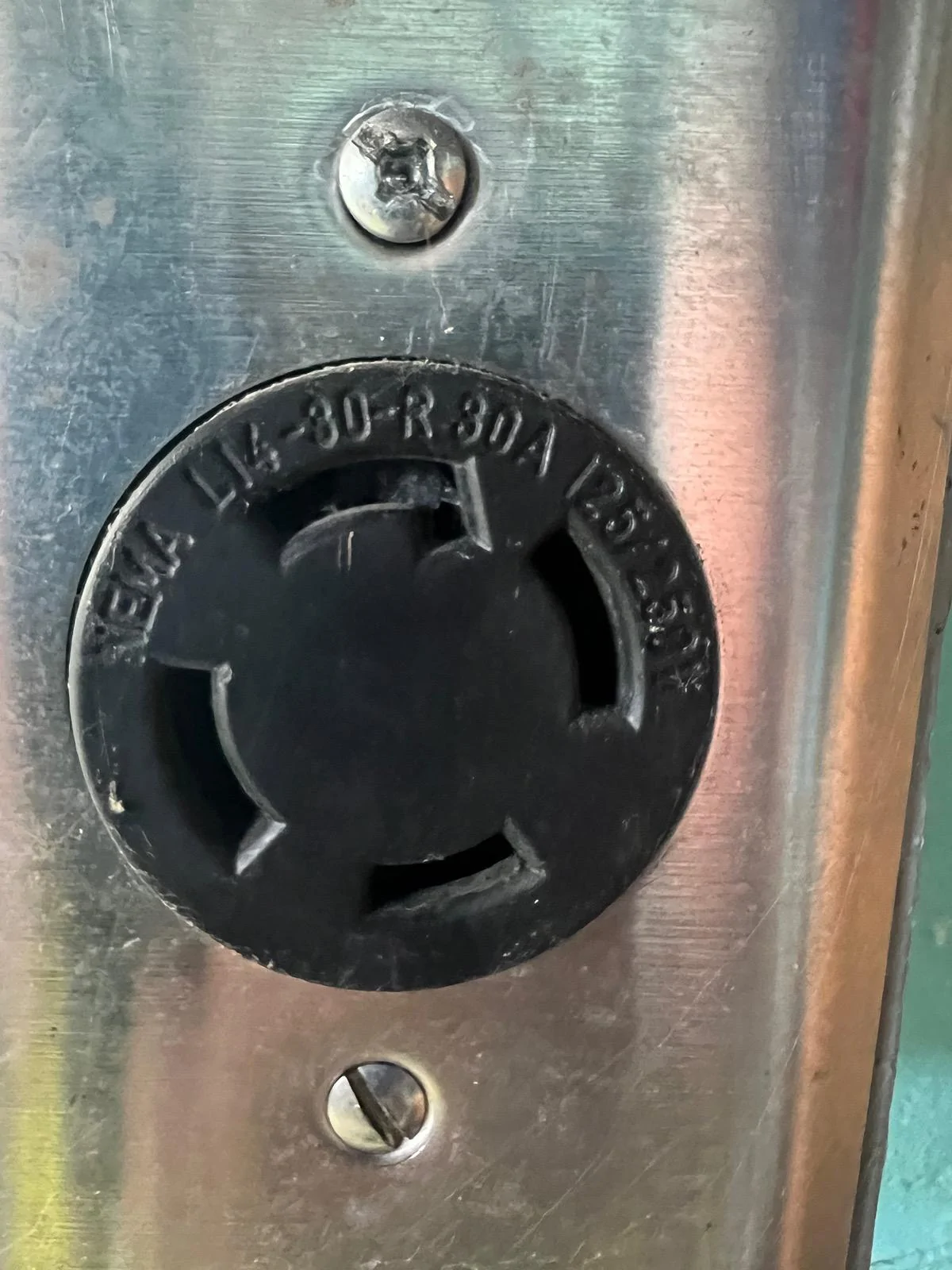
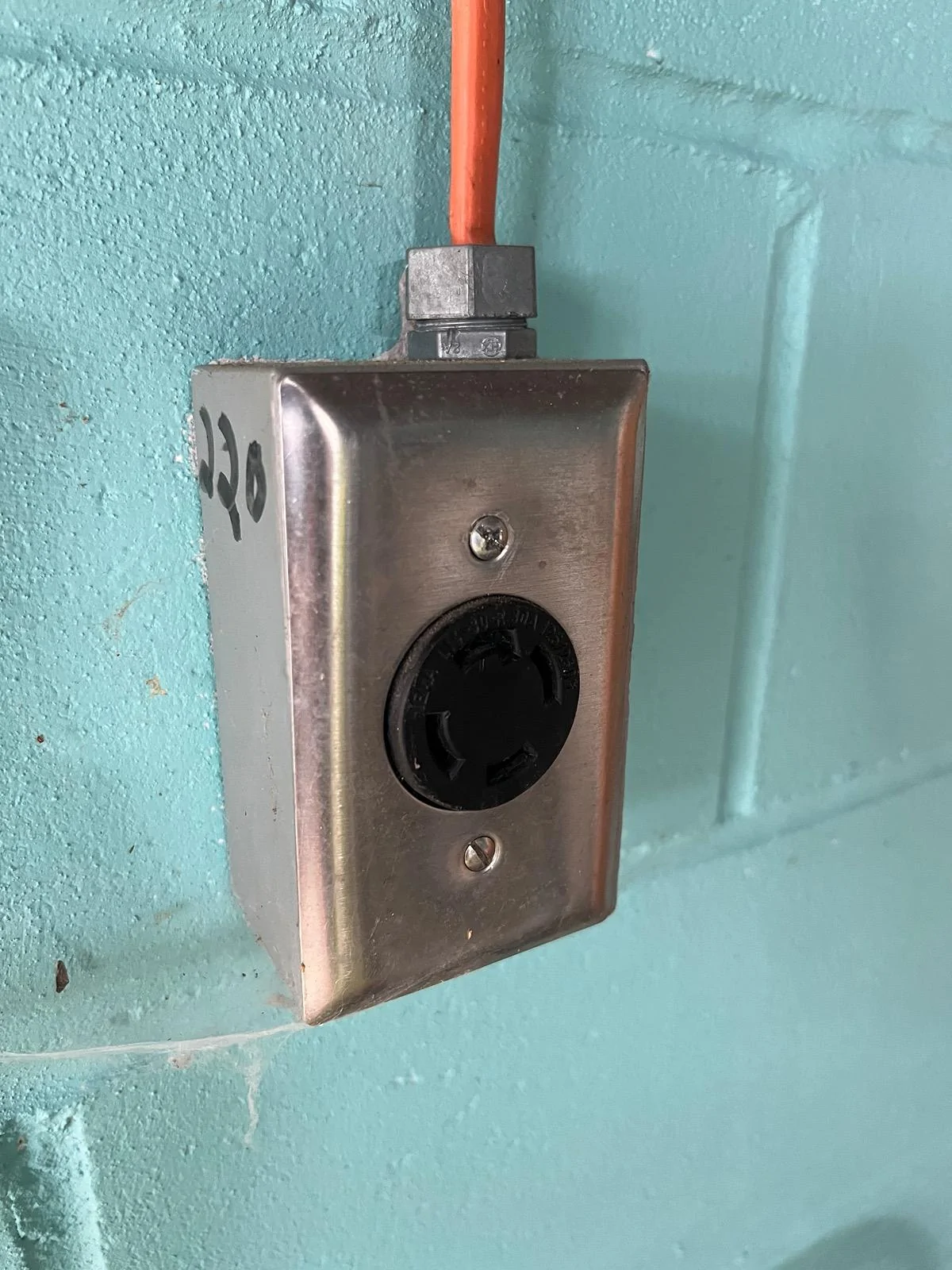
I’m traveling to a place with a NEMA L14-30R receptacle. It’s a 30-amp, 125/250-volt locking receptacle, I believe. Photos below.

The 110 travel plug won’t be enough juice for me. I was told this was a 220, which would be perfect, but alas the unusual receptacle.

So my question is, could I charge using my Rivian 220 travel charger a 220 adapter like this? Is it safe to do so?

Have only ever used Tesla universal charger at home so adapters are new to me.

Rivian R1T R1S Charging Question - Adapter IMG_1855


Rivian R1T R1S Charging Question - Adapter IMG_1854
Sponsored

 
OP
OP
Riv E In

Riv E In

Well-Known Member
Joined
Mar 3, 2024
Threads
18
Messages
264
Reaction score
236
Location
USA
Vehicles
2024 Rivian R1S DM
Clubs
 
Bumping this up. Need help and can’t find the answer online.

Where are all my electric charging adapter experts?


Thanks in advance!
 

DaveA

Well-Known Member
First Name
David
Joined
Nov 17, 2020
Threads
15
Messages
2,511
Reaction score
4,573
Location
Texas
Vehicles
Rivian R1T
No expert. But I used a 30 amp dryer plug with an adapter. You MUST turn down the max amps in the energy tab on the truck to 24 max. I wouldn’t do more than 16 amps on an unknown plug. No clue if it’s wired correctly etc. Definitely babysit it for a while and make sure it’s not getting too hot. I would only expect 8-10 miles per hour charged at 16-20 amps. Also, each time you unplug you will need to reset the amps back down in the energy tab on the truck. It’s doesn’t stay at the setting once you unplug.
 

Mathme

Well-Known Member
First Name
Matt
Joined
Jul 25, 2022
Threads
3
Messages
1,378
Reaction score
1,812
Location
Los Altos, CA
Vehicles
R1T: El Cap, OC, 20AT, Off road package
Occupation
High Tech
@DaveA nailed it. Dial the truck back to 24amps and keep an eye on it initially and it will likely be fine. always confirm that the truck is pulling the correct amperage when using these slower 220v connections.
 

Dave Cundiff

Well-Known Member
First Name
Dave
Joined
Feb 28, 2024
Threads
4
Messages
1,174
Reaction score
1,589
Location
Pacific County, Washington
Vehicles
'23 R1S (DM,Max); '23 R1T (QM,Lg); '23 Chevy Bolt
No expert. But I used a 30 amp dryer plug with an adapter. You MUST turn down the max amps in the energy tab on the truck to 24 max. I wouldn’t do more than 16 amps on an unknown plug. No clue if it’s wired correctly etc. Definitely babysit it for a while and make sure it’s not getting too hot. I would only expect 8-10 miles per hour charged at 16-20 amps. Also, each time you unplug you will need to reset the amps back down in the energy tab on the truck. It’s doesn’t stay at the setting once you unplug.
I believe, though, that you can use the app to regulate the charging speed by amps IN A SPECIFIC LOCATION.

If you choose this route, @Riv E In, you may want to wait until you get there so you can confirm the location in the app matches the location of the outlet. Then: (1) open the "Energy --> Schedule" screen; (2) set the "Amperage" as needed; (3) make sure the "Location" matches the vehicle's actual location; and (4-crucial) RE-CHECK during a charging session to make sure the vehicle is only drawing the amperage you told it to draw.

I hope this helps!
 

Sponsored

OP
OP
Riv E In

Riv E In

Well-Known Member
Joined
Mar 3, 2024
Threads
18
Messages
264
Reaction score
236
Location
USA
Vehicles
2024 Rivian R1S DM
Clubs
 
Thanks all.

To clarify (because I’ve seen both ways stated on this forum in the past), you always need to manually adjust the amperage draw inside the vehicle? It won’t do that automatically?
 

DeafPug

Well-Known Member
Joined
Oct 20, 2021
Threads
6
Messages
568
Reaction score
846
Location
Kansas
Vehicles
'18 Model 3, '22 R1T
If you convert an L14-30 (30 amp outlet) to 14-50 (50 amp outlet), how is the EVSE (charging cable) supposed to know that. Since it's using a 50 amp plug, it will assume it's safe to draw 40 amps from the outlet. In this case, the EVSE tells the vehicle that it's safe to draw 40 amps, but it's really only safe to draw 24 amps from the 30 amp outlet on the wall, so you need to manually drop the amps. I think the Rivian charging cable actually maxes out at 32 amps, but it's the same result since 32 amps is more than the safe 24 amps.

This is one place where Tesla shines.

https://shop.tesla.com/product/mobile-connector
https://shop.tesla.com/product/nema-adapter-bundle

The mobile connector accepts outlet adapters that inform the connector what amperage the outlet is (15, 20, 30, 50 amps) so it can automatically inform the vehicle of the proper amperage and no manual adjusting is required. With the Tesla Mobile Connector, if you used a L14-30 to 14-30 outlet adapter, and then the standard 14-30 plug from the adapter bundle, the car would automatically not be able to draw more than 24 amps. 3rd party companies even make Tesla adapters for even more outlet styles, including the L14-30 outlet you showed. If I was going to charge my Tesla on your outlet, I'd buy https://www.evseadapters.com/products/l14-30-adapter-for-tesla-model-s-x-3-gen-2/ and never have to think about amperage or be concerned that someone else that wasn't as aware of the issues would cause a problem (the grandparent/spouse/child problem with adapters like the one shown above from Amazon).

Once Rivian switches to NACS, if they don't provide an option like the Tesla bundle above, I'd use that instead of the Rivian cable. Even now, you could use the Tesla mobile connector on your Rivian with a Tesla to J1772 adapter like the upcoming https://a2zevshop.com/collections/charging-adapters-home-page/products/a2z-stellar-plug.
Sponsored


Top