
rhumbliner
Well-Known Member
Are you using Kneel Mode? We use it all the time but, in addition, I installed running boards to make it even easier on my wife.OT, but have you tried getting in and out of R1T yet? In standard ride height,
Sponsored
Are you using Kneel Mode? We use it all the time but, in addition, I installed running boards to make it even easier on my wife.OT, but have you tried getting in and out of R1T yet? In standard ride height,
Side note, but changing brake fluid has very little to do with brake use and everything to do with moisture accumulating in the brake fluid since it's not a closed system. That usually a time component, shorter in more humid areas and maybe a bit longer in dry climates. Folks that tow or live in the mountains and actually use their brakes more or risk boiling the fluid would want to change it more frequently (less so due to regen vs always using friction brakes, etc). But generally DOT 4 is said to be a 2 year replacement frequency. On something like my track car it needs to be done annually or after a couple track days. Maybe you meant fewer brake pad changes?...significantly fewer brake fluid changes...


From: https://advocacy.consumerreports.org/research/blog-can-the-grid-handle-evs-yes/...because the grid can't support it all.


Obvious political yawyawing aside, even with domestic supplies of all petroleum types (sweet, sour, heavy, light, etc) meeting domestic demand, global economics win out and prices will spike here because they get more money exporting to countries who want it more (see: southeast Asia).It's only that way because we depend on importing oil instead of doing it all here. We could easily be energy independent and never depend on OPEC and South America ever again. If gas prices were solely based on the evil oil companies demands, why didn't they just raise prices to $4-5 gal under the previous administration? Burdensome regulations and importation of oil are why gas prices are high, even after depleting our strategic petroleum reserve.

I pay .12/kWh at home and generally about .34 for EA fast chargers. On long road trips I try and stay in hotels with free charging - that give me 200-300 free miles.Right, paying ~0.12/kWh, but this is western Washington which is pretty cheap. Although, I do agree with the OP, if you are tied to DC fast charging, the economics don’t look that great.
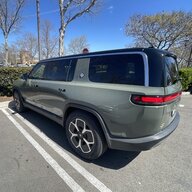


I agree with your statement, and that's just what we have to live with in California lol.Now that I've observed the vehicle on longer trips I'm realizing that there isn't much difference in cost per mile vs our V8 powered 2007 Lexus GX470 here in CA.
GX: $5 per gal / 20mpg= .25 per mile
R1S: $.50 per kw dcfc / 2 mi per kwh = .25 per mile
What's everyone else seeing? Home charging costs about half as much so it's like a 40mpg SUV in that case. Although it's classified as 75mpge, you have to fill it with $8-$16 per gal "gas."